
Understanding the Lifespan of a Subfloor: Key Factors and Tips
When it comes to the structural integrity of any home, the subfloor can often be an unsung hero. Quietly hidden beneath your finished flooring, it supports everything from furniture to foot traffic. Yet, many homeowners don’t give much thought to how long their subfloor will last until a problem arises—like squeaking, bowing, or water damage. Knowing what impacts your subfloor’s lifespan, how to maintain it, and when (and why) to replace or repair it is key to protecting both your comfort and your home’s value. In this guide, we’ll walk through the basics of subfloor materials, typical lifespans, common warning signs, and what to do if you suspect your subfloor needs attention.
What Exactly Is a Subfloor?
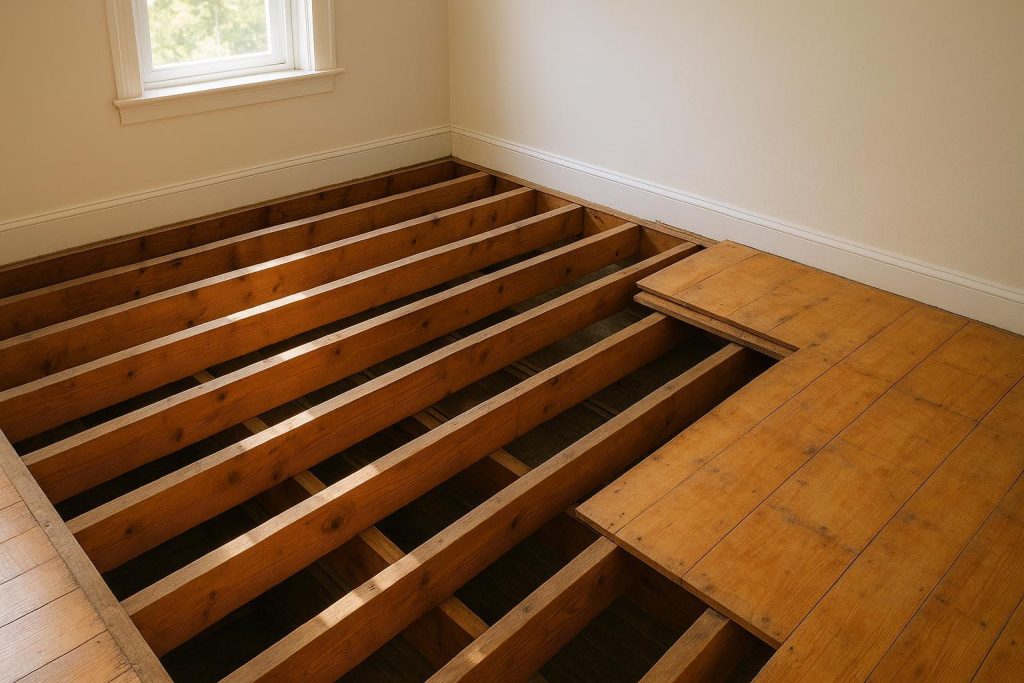
Before diving into typical lifespans, let’s establish what purpose the subfloor serves. A subfloor is the layer of board—usually plywood or oriented strand board (OSB)—that’s installed directly on top of a home’s floor joists. This is the foundation on which your finished floor (like hardwood, tile, carpeting, or laminate) is installed. The role of the subfloor is to provide structural support, reduce bounce or flex, and help maintain a level surface for whatever floor covering you choose.
Subfloors are crucial to the overall quality of your home’s flooring system. If a subfloor isn’t installed correctly or has degraded over time, you might notice things like squeaking boards, sagging floors, or persistent moisture issues.
Common Subfloor Materials and Their Typical Lifespans
- Plywood Subfloor: A traditional choice for underfoot support, plywood subfloors can last for decades when properly installed and maintained. Most plywood sheets used for subfloors are around 5/8 to 3/4 inches thick, though there are variations. Because plywood is made of multiple layers of thin wood veneers, it’s relatively strong and durable against general wear. If kept dry and free from heavy water damage, a plywood subfloor can easily last 20 to 30 years—or even longer.
- OSB (Oriented Strand Board): OSB is another commonly used material. Made from compressed wood strands and resin, OSB tends to be cost-effective and can perform comparably to plywood in many environments. In ideal conditions—think properly installed boards and no exposure to moisture or extreme temperatures—OSB subfloors could also last 20 to 30 years or more. However, note that OSB can be more susceptible to swelling or warping if exposed to water for extended periods.
- Other Materials (Concrete or Cement Boards): In some cases, especially in basements, garages, or other moisture-prone areas, a subfloor might be made or topped with concrete or cement boards. Concrete floors generally have a very long lifespan, often well over 50 years, though they come with different considerations—like cracking or moisture infiltration from below-grade surfaces.
Factors That Affect Subfloor Lifespan
If you’ve ever noticed a floor that feels “off,” it could be because the subfloor isn’t functioning as it should. While subfloor materials typically have a substantial lifespan, several factors can shorten or extend that timeline:
- Moisture and Water Damage: One of the biggest threats to a subfloor is prolonged exposure to water. This could be from a leaky pipe, a damaged roof, or a flooded basement. Wood-based products like plywood or OSB absorb moisture, causing them to swell, warp, and eventually rot if not promptly dried out.
- Quality of Installation: How well the subfloor was installed in the first place plays a huge role in its longevity. Properly spaced nails or screws, correct thickness, and adequate adhesives help prevent squeaks, bounce, and structural weakness.
- Structural Load: The amount of weight consistently placed on the floor can make a difference. If you frequently move heavy furniture around, store large items, or if the home supports bigger kitchen islands or appliances, your subfloor endures added stress.
- Type of Finished Flooring: Different flooring types—carpet, tile, hardwood—distribute weight differently across the subfloor. Some finishes are more forgiving than others. For example, tile installations require especially rigid subfloors; repeated shifting or small movements can crack the tile or grout lines over time.
- Maintenance and Upkeep: Regularly checking for leaks, repairing minor problems promptly, and ensuring your home’s humidity levels remain stable will extend the life of a subfloor. Spotting and fixing small issues before they escalate can prevent major structural damage later.
Signs Your Subfloor Might Be Failing
Recognizing red flags early often saves you time, stress, and expense. Here are some common signs that suggest your subfloor might be in trouble:
- Persistent Squeaking: An occasional squeak isn’t always dire, but if you notice that certain areas squeak constantly—no matter how carefully you step—it could indicate loosened nails or minor structural movement below the surface.
- Soft Spots or “Give” in the Floor: If your floor doesn’t feel solid underfoot (like it sinks slightly when you walk on it), it may mean the subfloor is weakened or decayed in that area.
- Uneven or Sagging Flooring: Floors that appear out of level might suggest a more advanced subfloor issue or even trouble with the underlying joists.
- Noticeable Moisture or Dark Spots: Discoloration, odor, or visible mold could be a sign of ongoing or historical water damage to the subfloor. Convex or concave warping is also a giveaway.
- Buckling or Swelling: When boards expand from constant exposure to moisture, you may see “heaving” or raised sections under your finished floor.
When Is It Time to Replace or Repair a Subfloor?
Deciding whether to repair or fully replace a subfloor can be tricky. Minor squeaks might be fixed by re-securing loose nails or screws, particularly if there’s no sign of rot. However, if the subfloor has extensive water damage, rot, or mold, you’ll likely need to replace at least a section. Situations such as a major flood, severe termite infestation, or a persistent plumbing leak might also necessitate taking out large sections of the subfloor.
In many cases, homeowners discover subfloor damage when they decide to upgrade their finished floors—say, swapping out old carpeting for hardwood. Once an old floor covering is pulled up, it’s much easier to see the condition of the subfloor. If you’re already removing existing flooring, that’s often the best time to repair or replace subfloor issues and ensure everything is safe and sound for the future.
Tips for Prolonging the Life of Your Subfloor
- Address Water Issues Immediately: Fix plumbing leaks, repair roof damage, and keep an eye on moisture-heavy areas like basements. One major leak left unattended can cause damage in less time than you might expect.
- Use High-Quality Materials: If you’re renovating, don’t skimp on the subfloor. Choosing the right material, thickness, and grade for your climate and usage can extend its lifespan by decades.
- Ensure Proper Ventilation: Keeping the home’s humidity levels balanced—especially in crawl spaces—helps prevent wood-based subfloors from warping or molding.
- Stay on Top of Minor Repairs: A small squeak or a slightly loose board can be addressed early. Don’t wait until the problem worsens and you discover widespread structural issues.
- Work with Professionals for Big Jobs: Large-scale subfloor replacements may require partial demolition. Improper removal or haphazard fix-ups can lead to problems down the road. Investing in professional help ensures the job is done safely.
How Interior Demolition Can Help With Subfloor Replacement
If you find yourself in a situation where the subfloor is extensively damaged—whether from rot, insects, or structural problems—removing sections of flooring might be necessary. Interior Demolition services can streamline this process by safely tearing out old flooring layers, the damaged subfloor, and any related debris, so you have a clean slate for installing a new subfloor. Having this step handled by a professional crew can also help prevent additional damage to surrounding structures, protect your walls and fixtures, and generally make the replacement more straightforward.
For homeowners in Edmonton or nearby areas dealing with large-scale flooring or subfloor removal, an interior demolition service may be particularly useful. It ensures that the demolition work is carefully performed and that all old materials are hauled away promptly, leaving no mess behind.
Risks of DIY Subfloor Replacement
While some handy homeowners may be tempted to remove and replace subfloor sections by themselves, it’s important to know that subfloor replacement is more than just pulling up boards and nailing down new ones. Mistakes in removing old boards can damage support beams, wiring, or plumbing. If you skip crucial steps—like ensuring the joists are level or that the new subfloor panels are properly fastened—you risk squeaks, sagging, or even structural failures later on.
Additionally, disposing of large, unwieldy pieces of subfloor or old flooring can be a challenge—especially if the materials exhibit mold, insect infestation, or residual moisture. Professional interior demolition and junk removal services can significantly reduce these risks, because they know what to look for and how to handle damaged or contaminated materials responsibly.
How to Know if You Need an Entire Subfloor Replacement
It’s one thing if the corners of a subfloor near a doorframe or window have experienced water seepage. But if you suspect widespread damage or if the subfloor is so soft in extensive areas that you fear stepping through it, consult a trusted contractor or a demolition professional. They can inspect the extent of the issue and advise on whether a simple patch fix will suffice or if you should replace the entire subfloor. It’s better to tackle a major replacement early than to keep patching areas that are past the point of no return and risk deeper structural damage.
Steps to Take Before Installing a New Subfloor
- Get a Thorough Inspection: Whether you call a professional contractor or do a quick check yourself, confirm the scope of damage and ensure there aren’t issues with the joists, plumbing, or insulation.
- Remove Old Materials Safely: If you decide on a full replacement, all damaged parts of the subfloor must be removed. This may include finished flooring, underlayment, and even the top portion of your joists if they’re compromised.
- Clean and Prep the Bare Floor: Clear out all debris, dust, and any lingering moisture or mold. Dehumidifiers can help if the area is damp. Ensure the environment is stable before new installation starts.
- Choose the Right Replacement Material: Whether it’s plywood or OSB, match or exceed the original thickness. In rooms prone to moisture, consider moisture-resistant plywood or an underlayment that’s designed to stay dry.
- Secure the New Subfloor Properly: Use the recommended screws or nails at the proper spacing. Ensure expansions gaps, if required, are maintained so the wood can flex without damaging your floor covering.
Maintaining Your Subfloor After Installation
After your new subfloor is in place, it’s wise to keep an eye on those critical areas where problems sometimes start. Watch for any signs of leaks, especially in kitchens, bathrooms, and laundry rooms. If you have a basement or crawl space directly beneath the subfloor, consider installing a moisture barrier or improving ventilation there to reduce overall humidity.
Regularly schedule or perform quick home inspections, especially after heavy storms or freezing winters. Proactive care goes a long way, catching potential water or structural issues before they get out of hand.
Final Thoughts
Although a well-installed and well-maintained subfloor can last for decades, it’s still critical to know what factors influence that lifespan. By staying vigilant about moisture, recognizing early warning signs, and addressing problems quickly, you can preserve your subfloor—and by extension, the comfort and stability of your entire home.
And if you bump into a situation where your subfloor has reached its limit—due to rot, infestation, or general wear—don’t hesitate to seek professional help. In many cases, removing damaged subfloor materials is not just a matter of swapping out boards; it can require comprehensive interior demolition to ensure a clean, proper installation of new flooring layers. Whether you tackle a quick fix or a full overhaul, a solid subfloor is key to keeping your home safe, sound, and comfortable for everyone who lives there.