
Understanding Permits for Load-Bearing Wall Removal
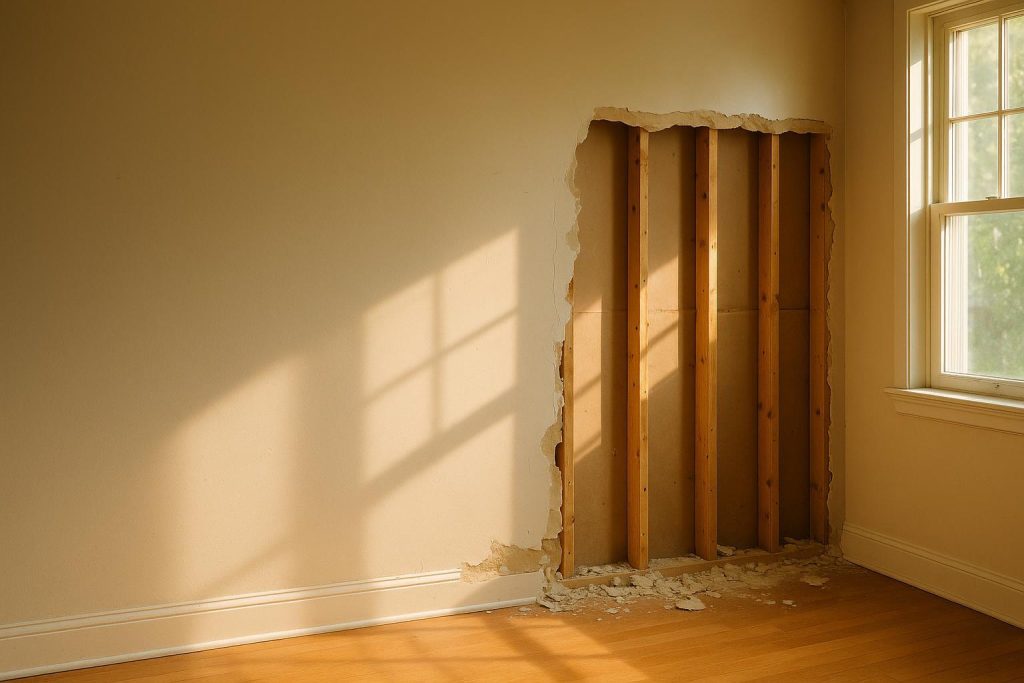
Removing a load-bearing wall is a significant project that can dramatically change the layout of your home. Because these walls support essential parts of your house—like floors, ceilings, and even roof structures—it’s not just a matter of knocking out some drywall. Most municipalities require homeowners to obtain a building permit before removing a load-bearing wall. This permit confirms that your plan complies with local building codes and safety regulations. If you proceed without the proper approval, you risk structural instability, potential fines, or complications when selling the property in the future.
Beyond the building permit, it’s also common to consult with a structural engineer or a qualified contractor. They’ll identify the existing load path and determine whether you need a new beam or supporting column once the wall is gone. Ignoring this step could weaken your home’s framework and lead to long-term problems like sagging floors, cracked ceilings, or doors that won’t close properly. A professional opinion can help ensure that your project proceeds smoothly, from the demolition phase all the way to finishing touches like patching drywall and repainting.
If you’re planning a renovation that includes taking down walls, it’s good to differentiate between load-bearing and non-load-bearing structures. Non-load-bearing walls don’t require as many steps for removal, but always confirm what type of wall you’re dealing with before starting any demolition. If you’re uncertain, it’s best to err on the side of caution and ask for expert advice.
Many homeowners prefer to hire a team experienced in interior demolition to handle the removal process. It saves time, reduces the chance of damaging other parts of your home, and ensures everything is disposed of properly. Working with professionals also makes it easier to navigate permit requirements, since they often collaborate with structural engineers, inspectors, and local government offices to keep your project on track.
Before getting started, confirm your local regulations and talk to a professional about any structural changes. If you’re unsure or want a second opinion, it doesn’t hurt to reach out for a free estimate. Having the right support results in a safer, more efficient process—and a final layout that meets your goals without compromising the integrity of your home.