
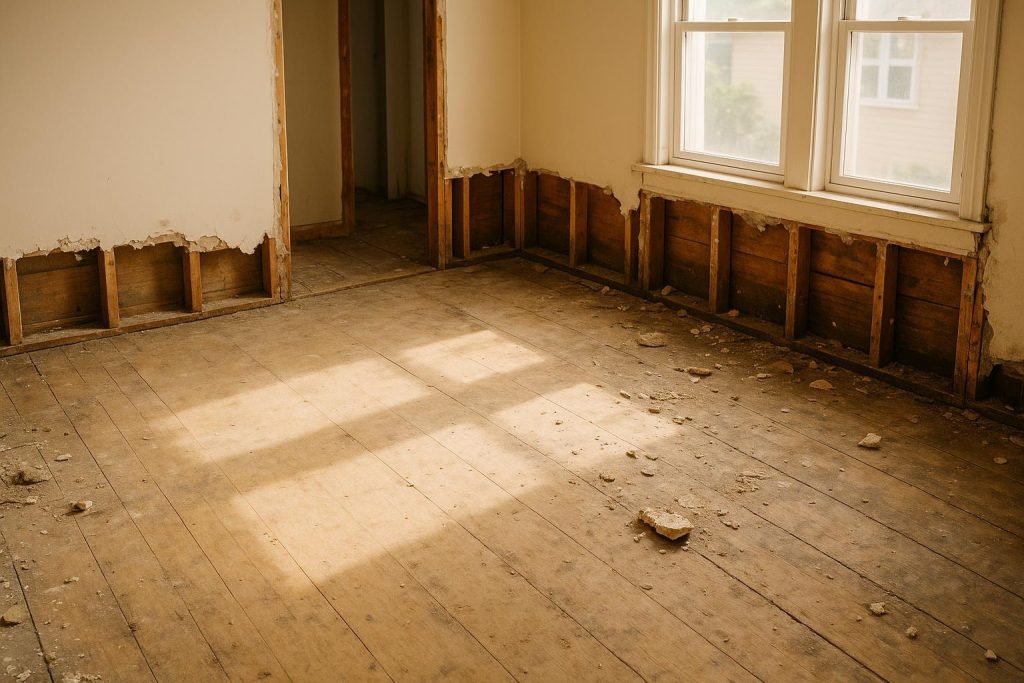
Subfloor Replacement and Why It Matters
When it comes to keeping your home’s floors sturdy and safe, the subfloor is one of the most important yet least visible components. The subfloor sits below your main flooring (tile, hardwood, laminate, or carpet) and provides essential structural support. Unfortunately, it’s easy to neglect this hidden layer until serious issues appear. In this guide, we’ll explore what happens if you don’t replace a damaged or weakened subfloor, how underlying problems can escalate, and why taking action sooner rather than later could save you a lot of trouble.
Understanding the Role of the Subfloor
To appreciate why subfloor replacement matters, it helps to know what the subfloor really does. Typically made of plywood, oriented strand board (OSB), or other durable materials, it distributes weight across your floor joists, ensuring stability. When a subfloor is in good condition, every step you take feels secure. When it’s compromised, you may begin to notice squeaks, soft spots, or even structural hazards. Here’s why the subfloor is so critical:
- Load-bearing support: A solid subfloor helps your main flooring handle foot traffic, furniture, and anything else placed on top.
- Smooth surface: A level subfloor is essential for installing finished flooring, preventing lumps, bumps, or gaps.
- Moisture barrier: Properly installed subfloors keep unwanted moisture from rising into your floors and causing damage.
When you ignore subfloor damage, the effectiveness of these benefits weakens. Over time, the rest of your home can also suffer the consequences.
Common Causes of Subfloor Damage
Subfloor damage usually occurs gradually, which is why some homeowners don’t notice a problem until it becomes critical. Here are a few common causes:
- Water leaks: Plumbing issues, roof leaks, or spills (especially in kitchens and bathrooms) can soak into the subfloor, causing swelling, warping, or rot.
- Pest infestation: Insects and rodents can gnaw or nest in the subfloor, weakening its integrity.
- Excessive use or heavy loads: Over time, furniture, appliances, and high foot traffic can wear down materials, especially if the subfloor wasn’t installed correctly.
- Incorrect installation or aging materials: Subpar construction, or simply the passing of decades, can lead to subfloor deterioration.
Identifying these factors early is key to stopping further damage. Otherwise, the subfloor may degrade so much that a complete—or nearly complete—replacement is unavoidable.
Signs Your Subfloor Needs Replacing
Because it’s out of sight, the subfloor won’t always give you an obvious warning. However, there are a few subtle (and not-so-subtle) indicators:
- Soft or sagging spots: If the floor feels spongy underfoot, it suggests the subfloor is compromised and losing its capacity to bear weight.
- Musty or damp odors: Lingering moisture in the subfloor can create a mildew smell that won’t go away, even with ventilation.
- Persistent squeaking: Occasional squeaks are normal, but extensive squeaking in multiple spots might mean widespread subfloor problems.
- Visible discoloration or staining: Brownish or black spots could signal mold growth, often a sign of a rotten or moist subfloor.
- Uneven floors: Frequent tripping hazards, shifting furniture, or slanting floors may point to weakened structural beams or a deteriorating subfloor.
Once you see or sense these red flags, it’s wise to investigate quickly. The longer you wait, the more risk you take with both safety and repair costs.
What Happens If You Ignore a Damaged Subfloor
Continuing to live or work on a floor that’s compromised can be dangerous and costly. Here are some key risks you take when you decide not to replace or repair the subfloor:
- Worsening structural issues: As the subfloor deteriorates, it places more stress on other parts of the floor system. Floor joists may start to twist or warp under uneven pressure.
- Heightened safety hazards: Severely weakened subfloors can collapse under heavy loads. Even everyday foot traffic can become a concern if the problem is extensive.
- Mold and mildew growth: A damp or rotting subfloor creates an ideal environment for mold, which can lower indoor air quality and contribute to health issues.
- Costly repairs later: Procrastinating can turn a small or moderate fix into a major restoration project—one that might involve removing not just the subfloor, but also joists, insulation, drywall, and more.
Simply put, an unreplaced subfloor left to rot doesn’t improve on its own. In fact, once water or pests get inside, the rate of deterioration often accelerates. This is why many homeowners choose to tackle a compromised subfloor the moment they see evidence of trouble.
Replacement Versus Repair
Not every subfloor issue requires a complete overhaul. Sometimes, small sections can be properly repaired if the rest of the subfloor is in relatively good shape. The decision typically depends on the extent of the damage and the underlying cause:
- Localized problems: If you have a small, localized patch of rot (perhaps from a minor leak contained in one corner), you might cut out and replace just that portion. This can save time and money, but only if no other areas are at risk.
- Widespread deterioration: If the damage spans multiple rooms or the entire floor, and if structural elements are compromised, a full replacement is more cost-effective and safer in the long run.
- Future renovation plans: If you’re planning a major remodel and the subfloor is older or borderline, it may be more efficient to replace it entirely rather than fix smaller patches now and replace everything again in a few years.
Consulting with a reputable contractor or demolition specialist helps you determine the smart approach. If you’re removing large portions of floor anyway, it might be time to go all-in.
Risks of DIY Subfloor Replacement
Replacing a subfloor sounds straightforward: tear out the old material, lay down new panels, nail them in place, and you’re done. However, a few pitfalls make it more complicated than it seems:
- Hidden structural problems: Sometimes subfloor deterioration also affects the joists beneath. If you’re not sure how to inspect joists for damage, you risk missing major underlying issues.
- Improper removal: Removing subfloor can be labor-intensive; an untrained approach may result in damage to adjacent drywall, walls, or other finished areas that weren’t supposed to be replaced.
- Insulation and moisture barriers: Subfloor replacement is also an opportunity to update waterproofing or insulation. Skipping these steps could leave your fresh subfloor vulnerable to water infiltration all over again.
If you’ve got experience and the proper tools, a DIY approach can work. However, if the scope is large or demands professional-grade demolition, it’s often best to contact a local, no-nonsense service for assistance. Doing subfloor removal and replacement the right way the first time is far more cost-effective than redoing it if something goes wrong.
How to Prevent Future Subfloor Damage
Once you’ve done the work of replacing a subfloor, you’ll definitely want to protect your investment. Below are steps to help keep your new subfloor safe and sturdy for years to come:
- Fix leaks promptly: Whether it’s the roof, under the sink, or a slow drip in a bathroom pipe, water can quietly destroy subfloor material if left unchecked.
- Use moisture-resistant materials: In areas prone to spills or humidity—like kitchens, bathrooms, or laundry rooms—consider subfloors designed to withstand wet conditions.
- Improve ventilation: Proper airflow helps control moisture buildup. If your home is damp or humid, use exhaust fans or dehumidifiers to reduce the chance of mold.
- Schedule routine inspections: Especially for older homes, a quick annual check under the floor or in your crawl space can catch small problems before they grow.
By taking a proactive approach to leaking water and ventilation issues, you’ll spare yourself the hassle of repeating a major job down the line.
Working with Professional Teams
If you’re facing serious subfloor damage—such as widespread rot, mold, or structural instability—professional help is often the safest route. Some homeowners choose to coordinate with a general contractor, while others prefer to bring in specialized teams who can focus on demolition or removal of the old flooring.
For instance, if you need to take up the entire floor in multiple rooms, you might benefit from a crew with interior demolition experience. That’s where a local service can help by tackling heavy-lifting tasks such as detaching old flooring materials and disposing of them responsibly. Interior Demolition is a common request when floors, walls, or other structures need to be removed quickly and safely, leaving your space ready for any remodeling you have in mind.
Cost Implications of Not Replacing the Subfloor
It’s tempting to avoid dealing with subfloor issues to sidestep an upfront expense. However, ignoring the problem can lead to higher costs in the long run. Here’s how that can happen:
- Advanced structural damage: If you delay too long, you may need more extensive repairs or a full-scale renovation.
- Remediation of mold or mildew: Mold removal can be both costly and time-consuming. Mold that has spread under the floors often reaches into walls, requiring professional treatment.
- Damage to adjacent materials: When a decayed subfloor finally gives out, you could end up with ruined flooring, damaged furniture, and even compromised electrical or plumbing fixtures.
Addressing subfloor problems early typically lowers the overall cost and makes your home safer and more comfortable, without the risk of large, unexpected bills down the line.
Maintaining a Healthy, Long-Lasting Floor
A solid subfloor is the foundation for every step you take in your home. By keeping it in good shape—whether through small repairs or a complete replacement—you give yourself peace of mind. You’ll be free from the worry of wobbly, moldy, or creaking floors. You’ll also preserve your property value, which is especially important if you’re preparing to sell or rent out a home.
While the thought of replacing or repairing a subfloor can feel daunting, it’s a necessary part of home maintenance and safety. By acting quickly and seeking professional advice when needed, you’ll avoid the worst-case scenarios that come from letting this hidden but crucial layer weaken over time.
Final Thoughts
Choosing not to replace a deteriorating subfloor isn’t just a cosmetic issue. Overlooking the problem can compromise the structural integrity of your entire home. Whether the damage results from moisture, pests, or routine wear and tear, be mindful of any warning signs like sagging floors, musty odors, or squeaks. Addressing these clues right away can help you prevent pricey renovations and ensure your flooring remains safe, strong, and comfortable.
If you’re unsure of the extent of your subfloor damage—or if you’re planning a renovation that involves removing old materials—a knowledgeable team can help make the process smoother. In many cases, removing worn-out flooring or subfloor is the first step toward a fresh start in your space. By handling these tasks promptly and correctly, you’ll save time, money, and effort, and you’ll avoid unpleasant surprises later. All in all, replacing the subfloor might sound like a big job, but the peace of mind that comes with a solid foundation underfoot is well worth it.