
Identifying Whether You Have Hardwood Under Your Carpet
Many homeowners wonder if there is a hidden treasure beneath their carpets—especially in older houses—commonly in the form of genuine hardwood flooring. The possibility of peeling back the carpet and discovering sturdy, beautiful hardwood can be an enticing prospect, whether you want to refinish and show off the wood or replace it with another material. Here, we’ll walk you through everything you need to know about how to check for hardwood under your carpet, the tools you’ll need, and what to do based on what you find. These tips can help you avoid damaging your floors, prepare for any renovation work, and decide if you need professional removal services.
Why Some Homes Have Carpet Over Hardwood
It may seem strange to cover high-quality hardwood with carpeting, but there are many reasons people do this. Over time, tastes change, and certain eras saw carpeting as a modern or cozy style choice. Carpet can also help with insulation and noise reduction—both crucial elements in colder or multi-level dwellings. Sometimes homeowners covered their hardwood because it was scratched or aged, while others simply preferred the feel of plush carpet underfoot. Regardless of why it was covered, it isn’t uncommon to find well-preserved hardwood waiting underneath.
Safety First: Gathering Basic Equipment
Before you begin your inspection, make sure you have a few essential items on hand. You’ll likely need a flashlight, a utility knife, a pry bar or flathead screwdriver, a good pair of gloves, and possibly a pair of pliers. If you plan on pulling back larger sections of carpet, keep a dust mask on hand to protect yourself from dust, debris, or potential allergens. Even if you only plan to peek under a corner of the carpet, it’s best to have these items readily available in case you encounter staples, tacks, or other surprises along the way.
Step 1: Start with the Vents or Corners
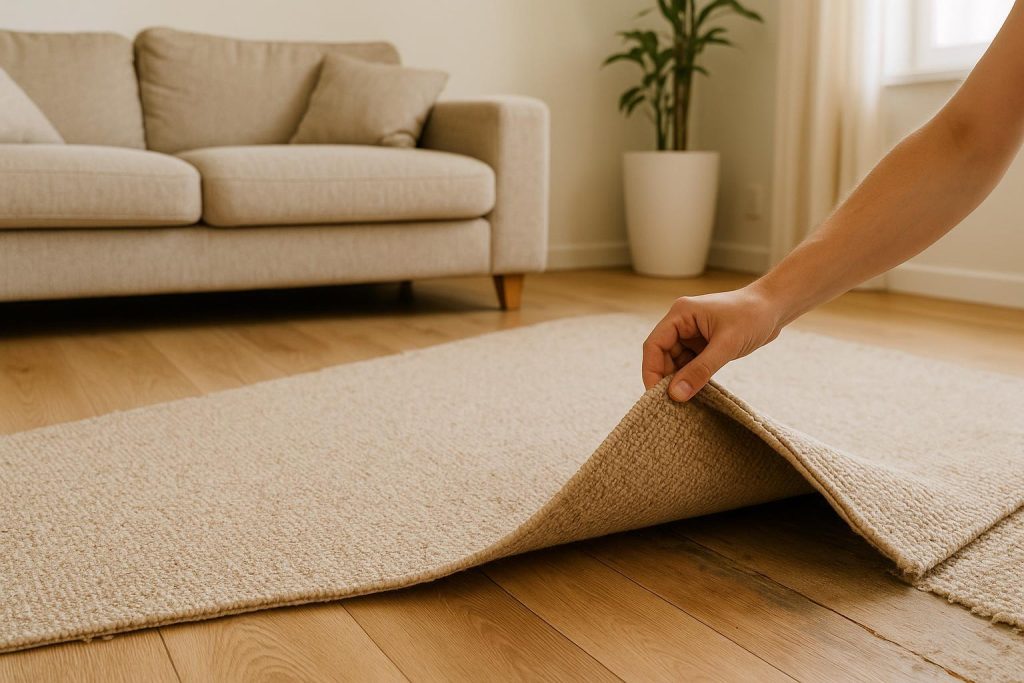
One of the easiest ways to quickly determine if you have hardwood floors below your carpet is to lift a corner of the carpeting. Choose a discreet corner, preferably in a closet or along the perimeter of the room, so it’s less noticeable if you decide to re-secure the carpet afterward. Gently pull up the carpet, keeping an eye on any staples or tack strips. If it’s difficult to loosen the carpet, you can use a small pry bar or flathead screwdriver to help. In many cases, you’ll immediately see what type of subfloor is beneath your carpet. If it looks like wood planks, boards, or a recognizable hardwood grain, you may be in luck. If you see plywood or OSB (oriented strand board), that suggests you don’t have hardwood beneath the carpet.
Step 2: Remove a Floor Vent Cover (If Present)
In many homes, particularly older ones, there are floor vents for heating or air circulation. If your vents are in the floor, you can often pop off the vent cover using just a screwdriver. Shine a flashlight into the vent opening; if you see edges of hardwood planks or tongue-and-groove boards, that’s another clue there could be usable hardwood immediately below the carpet or underlayment. This method is less intrusive than pulling the carpet up and can be an excellent preliminary check.
Step 3: Inspect Tack Strips and Carpet Pads
If the initial peek suggests real wood, you’ll want to remove a bit more of the carpet to see the wood’s condition. Using gloved hands, carefully pull back the carpet, and pay attention to the tack strips. These thin strips of wood (with upward-facing nails) hold the carpet in place. The carpet padding beneath can also hide signs of moisture or floor damage. Gently lift the padding to check the wood’s finish, color, and condition. If the hardwood is in good shape—without major chipping, warping, or deep stains—you can likely refinish it. If the boards are in poor condition, they might still be salvageable, but you may need more extensive work.
Step 4: Consider the Home’s Age and History
Houses built before the 1970s often used hardwood as the main flooring material, which was later covered with carpet as carpeting gained popularity. If you live in an older home, the odds of finding hardwood under that carpet are higher, especially if the original owners wanted to protect the floor or follow changing style trends. On the other hand, newer construction (especially in the 1990s and onward) is more likely to use plywood or particleboard subfloor if hardwood wasn’t initially installed. Researching your home’s age or talking with neighbors who have similar houses can be an excellent way to get more context before doing any invasive checks.
Step 5: Look for Subtle Clues of Hardwood
Sometimes, you don’t even need to pull up the carpet to spot signs of hardwood. Check the transitions between rooms—areas like door thresholds or closet entryways—where builders may not have installed a metal or wood threshold strip if the original floor was continuous. If you see any slight wooden lip or edge poking out from beneath the carpet transition, that might be a strong indication hardwood is present. Similarly, if you look around the baseboards and notice gaps between the board and the floor, that gap might reveal the top of hardwood planks.
Evaluating the Condition and Potential Costs
Finding genuine hardwood under your carpet is exciting, but the wood’s condition matters. Hardwood floors can be sanded, stained, and brought back to a beautiful finish—sometimes looking almost new if the damage isn’t extensive. However, sanding floors can be costly if you hire it out, and it can also be labor-intensive if you DIY. Check for large stains, warping, or nails that have rusted. If the floorboards flex or squeak excessively, or if you notice water damage, you might need to replace sections of the flooring. An experienced flooring contractor can give you an estimate on repairs and refinishing if you’re not comfortable doing it yourself.
When Professional Removal or Demolition May Be Needed
Occasionally, the wood beneath your carpet might be beyond repair—especially if there’s extensive water damage or pest-related damage. In that situation, removing the hardwood altogether can be the most practical choice, particularly if you want to install new flooring. If you plan to pull up large swaths of carpet or remove the underlying wood to make way for brand-new flooring, you might look for a junk removal or interior demolition service that can help you handle debris quickly and safely. For instance, if you’re in Edmonton or surrounding areas, you can explore Interior Demolition options to handle tearing out old subfloors or other small-scale demolition tasks. This ensures that the removal process is compliant with local regulations and doesn’t create additional mess in your home.
Dealing with Old Carpet and Disposal
Removing carpet, padding, and tack strips can be a chore, especially if you don’t have the right tools or a plan for disposal. Carpet can be bulky, dirty, or contain allergens. Tack strips are full of sharp nails, and you don’t want to leave them lying around. Some junk removal services offer junk removal packages that include picking up large items like old carpeting, leftover debris, or even outdated furniture and appliances. If you’d rather handle the installation of new floors yourself, but don’t want to deal with the debris left behind, hiring a reputable company to haul away the old materials can be a real time-saver.
How to Carefully Lift Carpet Without Damage
To avoid damaging hardwood when checking or removing carpet, start by cutting the carpet into manageable sections with a sharp utility knife. Then carefully lift each section, taking care not to tug too hard on the boards underneath. If you’re dealing with older homes, the boards might be more brittle, and forcing them can cause splinters. Roll the carpet pieces up to contain the dust, and remove the staples or nails from the hardwood surface. This way, you minimize the risk of gouging or scraping the hidden wood, which can be particularly costly to fix.
Deciding on Refinishing vs. Replacing Hardwood
If you uncover hardwood that’s basically sound—meaning it’s structurally intact and doesn’t show severe water damage—you’ll need to decide whether to refinish it or install new flooring. Refinishing can preserve the wood’s character, save you money (compared to a total replacement), and boost your home’s resale value if you plan on selling in the future. However, refinishing requires sanding equipment, ventilation, protective gear, and possibly professional help if you want a high-quality final look. If the wood is too damaged or has large sections beyond repair, that’s when you might opt to remove the hardwood altogether and install another flooring type, such as tile, vinyl, or laminate. Ultimately, it depends on your budget, timeline, and the aesthetic you’re after.
Minding Your Budget During Renovations
Finding hardwood beneath your carpet can seem like you’ve won the flooring lottery, but costs can add up if significant repairs are needed. Budget for potential surprises like subfloor replacements, structural issues, or heavy-duty sanding if the floor is uneven or scratched. Labor costs vary by location, so get at least a couple of quotes if you decide to hire professionals for the job. Also, factor in any disposal fees, whether you handle it yourself or hire a service. In Edmonton and nearby areas, disposal of construction or demolition materials may follow specific guidelines, so be sure to ask about that if you’re planning a larger project.
Ensuring Safety While You Work
Older homes can harbor certain hazards in their flooring or adhesives—like asbestos in some very old glues—or lead-based paint if the wood has ever been painted. If you suspect any potentially hazardous materials, especially in homes built before the 1980s, you might want to consult a professional who can safely test the flooring materials. Likewise, wear protective equipment to avoid inhaling dust or debris, especially if you’re tearing up old carpets or materials that haven’t been disturbed in years. Keep children and pets away until everything is cleaned up to a safe level.
Moving Forward with Your Flooring Project
So, you’ve checked under the carpet and discovered hardwood. The next steps will depend on your goals and the condition of that hidden treasure. If the wood looks good, you’ll likely want to remove your remaining carpet fully, address any rough spots, then refinish and seal the hardwood floors to restore their natural shine. This might involve sanding them down, filling gaps, and applying a finish that suits your preferences—whether that’s a matte look, semi-gloss, or high-gloss coating. If your inspection reveals wood that isn’t salvageable, and you want to remove it, you can consider a demolition service to help strip out old flooring quickly and safely. Once the old materials are gone, you can explore a fresh start with a wide range of modern flooring options.
Conclusion: Planning Ahead for the Best Outcome
Uncovering hardwood under your carpet can be an exciting opportunity to enhance both the look and value of your home. With careful inspection—starting in the corners, removing vent covers, and examining the subfloor—you can determine whether the hidden flooring is hardwood, its condition, and whether it’s worth refinishing. Use proper tools, ensure safety measures, and research your home’s construction date for the best clues. If you decide to remove the carpet (and possibly the hardwood) altogether, be prepared to handle or arrange proper disposal. Some people prefer to work with local junk removal and interior demolition professionals for bigger projects to keep everything hassle-free and legal. Always maintain a practical budget plan and, if needed, consult experts to ensure you’re making choices that preserve the integrity of your home. With these steps in mind, you’ll have the best chance of revealing the hidden potential beneath your feet—while avoiding any unpleasant surprises along the way.