
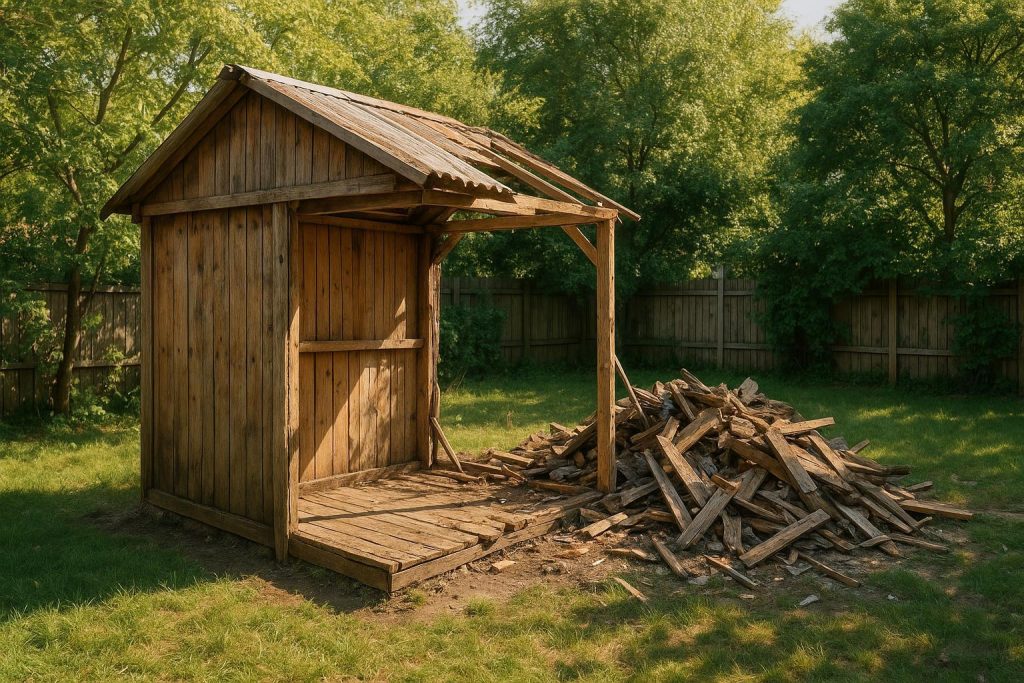
Your In-Depth Guide to Shed Demolition Timelines
When you look out into your backyard and see a weathered, unused shed, it’s normal to wonder how fast you can get rid of it. A worn-out shed can be a safety hazard, an eyesore, or simply an obstacle standing in the way of a new project. With that in mind, many people ask: “How long does shed demolition take?” The short answer is that it varies based on several key factors, including the size and complexity of your shed, the materials used, and the method of demolition. In most cases, a small to medium-sized shed can be knocked down within one or two days. Larger or more complex structures, however, might take a bit longer—ranging from a few days to even a week or more. This comprehensive guide will help you understand what goes into removing a shed, from prep work all the way to hauling away debris. By the end, you’ll have a clearer sense of what timeline to expect for your shed demolition project.
Key Factors That Affect Shed Demolition Time
Let’s start by digging into the primary elements that affect your demolition schedule. While one straightforward demolition might only take a day, another job could run longer because of extra complications. Here are the most common factors that can either speed up or slow down the process:
- Size of the Shed: A compact garden shed versus a multi-room structure with storage compartments will make a big difference. Smaller sheds usually require much less labor and time.
- Construction Materials: Wooden sheds, metal sheds, and those built with cinder blocks all come with their own challenges. Heavier or more resilient materials (like plywood layered with shingles) often demand more cutting and manual labor, extending the project timeline.
- Structural Complexity: Some sheds are simple four-walled rectangles, while others include built-in shelving, electrified lighting, or other features. These extra elements can add hours to the removal process.
- Tool and Equipment Access: If the shed is located in a cramped corner of your property, you may have limited space to maneuver heavy equipment, such as a small excavator or specialized demolition tools. When access is restricted, expect the project to take more time.
- Weather Conditions: Extreme weather like heavy rain, snow, or freezing temperatures can slow progress. Even if you plan well, harsh weather may introduce extra safety considerations and cause delays.
- Professional vs. DIY: Some folks want to tackle the demolition themselves. Going the DIY route can take longer because of limited professional experience and smaller tools. Hiring a specialized crew means the demolition is often done faster, thanks to professional know-how and proper equipment.
Step-by-Step Breakdown of the Shed Demolition Process
Understanding the process can help you see where any delays might occur. While not every shed demolition follows the exact same steps, the general flow remains similar for most projects. Here’s a typical breakdown:
- Assessment and Planning: Before the first hammer swings, take time to examine the shed’s structure. Note the type of foundation, whether it’s on bare ground or a concrete slab. Check for signs of mold, rot, or infestations. Identify any wiring or plumbing lines if they exist. A thorough assessment helps reduce last-minute surprises.
- Disconnecting Utilities: If the shed has electricity or water, disconnecting them properly is critical. This step can add time, especially if you need to schedule an electrician or plumber to ensure it is shut off correctly.
- Removing Doors, Windows, and Fixtures: Taking off removable components first is usually faster than demolishing them in place. Doors, windows, and shelves can be unscrewed or pried off. By removing these pieces, the rest of the structure will fall more predictably.
- Taking Down the Roof: Many sheds have pitched roofs that you’ll want to remove carefully. This step often calls for specialized tools like pry bars, saws, or sledgehammers, depending on the material. This part can be time-consuming if you need to remove shingles, metal panels, or multiple layers of roofing.
- Demolishing the Walls: Once the roof is off, the walls come down more easily. Each wall may still need to be gently pried away at the studs, or in some cases, partially cut into sections that can be carried off without straining your back.
- Handling the Foundation: If the shed sits on a concrete slab, you may need demolition tools, such as a jackhammer or specialized saw, depending on how you plan to reuse the space. Removing a wooden platform goes quicker—usually by sawing it into transportable pieces.
- Cleaning Up Debris: After the main demolition, you’re left with a pile of wood pieces, nails, shingles, or other materials. Sorting the debris for proper recycling and disposal can be quite time-consuming. If you’re aiming for as little waste as possible, you might separate the wood from metal, which will add a bit of extra time.
Safety Considerations
Safety should always be front and center during any demolition job. Protective gear, including goggles, heavy-duty gloves, and sturdy footwear, is essential to avoid injuries from flying debris or sharp nails. If you’re working in an environment with electricity or plumbing, a small oversight could cause a serious hazard—another reason why turning to professionals often makes sense.
If the shed has mold, asbestos, or lead paint, the process can take significantly longer. These hazards usually demand specialized removal procedures to comply with local regulations and protect everyone on-site. Professionals use protective gear and specialized tools to manage hazardous materials, sometimes adding days to the demolition timeline depending on the level of contamination.
DIY Shed Demolition vs. Hiring Pros
You might be tempted to demolish the shed yourself, especially if it appears to be a basic wooden structure. Doing it on your own can be cost-effective, but it also tends to take longer. You might have commitments that keep you from devoting full days to demolition. Additionally, certain parts of the job—like removing a concrete foundation—require tools that are expensive to rent and sometimes complicated to handle.
Professional demolition services often complete shed tear-downs faster. Their crews arrive equipped with the right vehicles, sledgehammers, saws, and safety equipment. Furthermore, professionals can help you avoid legal and safety pitfalls by ensuring permits (if any are needed) are handled properly. And for those who don’t want to deal with the cleanup, many companies also include debris removal and disposal in the package.
How to Speed Up Shed Removal
Even if you decide to hire a professional crew—or do it yourself—there are a few ways you can streamline the process:
- Clear Access Paths: Make sure the crew can easily get vehicles and equipment to the work area. Remove lawn furniture, potted plants, or other obstacles. Every minute saved here can add up.
- Remove Personal Items: If you have tools, hoses, or other items still stored inside the shed, take them out before the demolition begins.
- Coordinate With Neighbors: If you live in a close-knit neighborhood, talk to any neighbors who share a fence line about your plans. Friendly communication can help you sidestep complaints regarding noise or debris close to their property.
- Sort Debris on the Go: If you can safely toss pieces of wood or metal into designated bins or trailers right after demolition, you’ll save time on cleanup later.
- Check for Hazardous Materials Early: Addressing potential mold, asbestos, or lead paint sooner rather than later keeps the project from hitting unexpected snags down the line.
What Happens to the Debris?
After the shed is taken down, you’re left with materials like wood, metal, shingles, and screws, among other remnants. Many service providers—like professional junk removal crews—will haul it all away for you, saving you a trip to a landfill or recycling facility. If you’re trying to keep things eco-friendly, you can separate materials into recyclable streams. Metal often goes to a scrap yard, while certain wood can be taken to recycling facilities if it’s untreated. However, if the wood has chemicals or paint, you may need specialized disposal places that follow local guidelines. Keep in mind that sorting debris can extend the overall timeline if you decide to do it yourself. If you hire professionals, they typically handle that part quickly and efficiently.
Permits and Regulations
Shed demolition may or may not need a permit in your region. This depends on local laws as well as the size of the structure being demolished. Always check with your municipality before you begin. Failure to obtain the proper permits can lead to fines or forced work stoppages, which will obviously increase your project’s duration. In many places, a small shed under a certain square footage may not require a permit, while larger structures or those with electrical or plumbing lines might. If you’re working with a professional demolition team, they’ll typically clarify permit requirements and handle associated paperwork.
A Note on Large Structures and Partial Demolitions
Shed demolition is considered a small-scale project, making it relatively quick compared to large building tear-downs. At The Junk Guys, we do not handle big commercial demolitions or large-scale tear-downs for entire buildings. We also do not offer partial deck demolition, although full removals for sheds, decks, hot tubs, and garages are well within our scope. If you have questions about the level of service you need, it can help to reach out directly for more details—or you can compare local providers who specialize in bigger jobs if your site is particularly complex.
Practical Examples of Timeline Estimates
Below is a rough guide illustrating how long demolition might take under different circumstances:
- Small Wooden Shed (approx. 8×8 feet): If accessible and free of mold, a pro team might finish in a single day. This includes taking down walls and the roof, plus safely hauling away the debris.
- Medium Metal Shed (approx. 10×12 feet): Metal walls can be cut or unscrewed, but the roof sometimes poses an extra challenge if it’s securely bolted. Expect anywhere from one to two days total, depending on how stable the structure is.
- Large Multi-Room Shed (12×16 feet or bigger): A bigger shed will take more work—even for an experienced crew. With complex wiring or a heavy foundation, this might stretch into multiple days or up to a week. The same is true if asbestos or lead paint is discovered, requiring specialized removal methods.
Planning for Cleanup and Disposal
One of the most underestimated parts of any demolition is the cleanup. People tend to think the job is basically done once the structure is down, but the real work often starts there. You’ll have boards with nails, roofing shingles, scraps of metal, and more. Handling these materials is not only time-consuming, but can be dangerous if you don’t have the right protective gear. A professional service typically includes cleanup and hauling in the overall scope. If you plan to manage disposal on your own, be prepared to spend more time—and possibly rent a dumpster or trailer. You should also familiarize yourself with local disposal rules in places like Edmonton or the surrounding communities, as stricter regulations might exist for certain materials.
When to Call the Professionals
While many people start off thinking they can handle shed demolition alone, there are several cases where it’s wise to call in a trained crew:
- Time Constraints: If you need the job completed quickly—perhaps you’re moving, or you have a new project starting—professional teams can save you days and reduce stress.
- Unique Hazards: Sheds with asbestos, mold, or lead paint require specialized removal. You’ll want experts to handle those materials safely.
- Complex Structures: If the shed has multiple rooms, advanced electrical wiring, or a foundation that needs careful removal, the job can turn into a multi-step process best handled by professionals.
- Equipment Limitations: Without the right tools—like a power saw or specialized hand tools—you may end up spending more time and money on possibly ineffective solutions.
Final Thoughts
Shed demolition doesn’t have to drag on forever, but the actual length of time can vary quite a bit. For a simple backyard shed with minimal complications, you could see the job wrapped up in one or two days. Once you start adding in factors like a larger footprint, complicated materials, or limited access, timelines can extend into several days or more. Planning ahead—by researching permit rules, laying out a clear plan, and lining up any needed professional help—can keep the job running smoothly.
Whether you decide on a DIY approach or you bring in a professional team, it’s good to have a realistic idea of how long the project might take. With the right preparation and support, you can say goodbye to your old shed and have that space ready for your next endeavor much sooner than you might think. If you have other demolition or interior demolition needs, or you’re looking for quick junk removal, there are plenty of streamlined options available to keep your property looking its best. In the end, the key to a successful shed demolition is doing your homework, prioritizing safety, and choosing the right team for the job. That way, you can reclaim your space efficiently and confidently.