
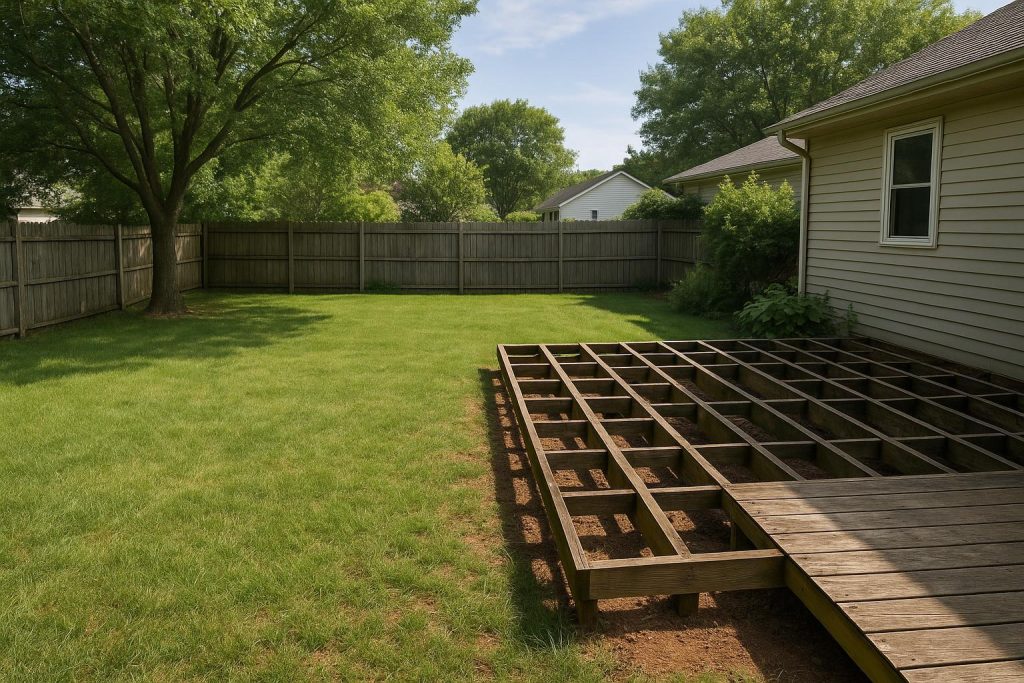
Safely Removing a Deck from Your House: What You Need to Know
Removing a deck that is attached to your house can be a fairly large undertaking. Whether your deck has rotted boards, outlived your remodeling plans, or simply no longer suits your yard’s layout, the process can be more complex than many expect. In many cases, homeowners attempt do-it-yourself (DIY) deck removal to save costs. While certain projects around the house can be safely managed alone, tearing out an existing attached deck is not always one of them. Understanding the necessary tools, the potential risks, and some best practices will help you decide if you want to handle the job yourself or hire a professional demolition service.
1. Getting Started: Assess the Deck’s Condition
Before you even swing a hammer, assess the scope of your deck removal. Take note of factors like size and materials. Is the deck made mostly of pressure-treated wood? Does it include metal connectors, screws, or nails that are rusted into place? Make a checklist of potentially tricky areas, such as:
- Foundation Posts: Are they set in concrete footings that require extra work to remove?
- Attachment to the House: How is the ledger board (the deck brace that attaches to your home’s framing) fastened? Ledger boards often require special flashing or brackets.
- Railings and Balusters: Are they damaged, or still strong and well-secured?
- Stairs and Handrails: Are there additional brackets, steps, or landing slabs that need demolition?
This initial assessment shapes your plan, preventing unexpected surprises mid-project. If you find structural elements or suspect dry rot, it’s often best to consult with a professional. Certain hidden complications, like mold or termite damage, can lead to bigger problems if left unaddressed or removed incorrectly.
2. Tools and Materials You May Need
If you choose to move forward with a DIY removal, you’ll need an assortment of tools and materials to handle the job properly. Here are the basics:
- Protective Gear: Safety glasses, work gloves, and sturdy boots are non-negotiable. You should also consider ear protection if you’re using power tools for extended periods.
- Pry Bar: Great for removing boards that are nailed down. Pry bars can help lift boards gradually to reduce the risk of splintering or sending nails flying.
- Reciprocating Saw: A must-have for cutting through nails, screws, or sections of rotted wood that need to be removed in pieces. Long blades work better for cutting between joists or hard-to-reach corners.
- Hammer: Useful for pounding out stubborn nails or for general demolition tasks where precision is needed.
- Drill/Driver: If screws connect your deck boards, a good drill can speed up board removal without damaging the wood too much.
- Shovel and Digging Tools: If your deck has posts embedded in concrete footings, you might need to dig around the base to expose them fully.
- Wheelbarrow or Carts: Essential for hauling away debris before it piles up and creates hazards.
3. Staying Safe on the Job
Demolishing a deck involves a range of safety concerns. If you plan on going the DIY route, here are a few key points to consider:
- Work in Sections: Take the deck apart in manageable segments. That way, you reduce the risk of anything collapsing unexpectedly or turning into a large, unwieldy pile of debris.
- Watch for Nails and Sharp Edges: Once boards are removed, nails and screws often stick out at odd angles. Carefully remove or hammer in all protruding hardware to avoid injury.
- Stay Aware of Height: If your deck is elevated, a fall risk is always present. Don’t lean too far over any edges, and keep the area under your feet free of tripping hazards.
- Have a First-Aid Kit Handy: Even minor injuries like splinters or cuts need prompt care. Keep a first-aid kit close by in case of emergency.
4. Step-by-Step Deck Removal Overview
Everyone’s deck is a bit different, but the general removal process often follows a similar pattern:
- Clear the Area: Remove furniture, grills, and any décor. This ensures nothing gets damaged and you have space to work.
- Remove Railings and Stairs: Work from the top down, removing railing sections and stairs before prying up deck boards. This helps keep the structure stable as you move along.
- Detach Deck Boards: Use a pry bar or drill/driver (for screws) to remove the boards carefully. If boards are rotten or stuck, a reciprocating saw can help.
- Cut Joists and Beams if Needed: Once the top layer is gone, you can see the skeleton (joists attached to beams). Detach or cut them into sections for easy removal. Watch for nails, screws, and metal brackets.
- Address the Ledger Board: This is the board anchored to your house. Removing it must be handled carefully to avoid damaging the home’s exterior or structural elements. If you see water damage or improper flashing, you may need to replace related materials on your house’s siding or wall.
- Pull Up or Cut Posts: Deck posts might be a big challenge. Sometimes they’re set in large concrete footings or anchored with metal brackets. Dig around them, break up the concrete if needed, and lift out the posts. This can be a physically demanding task that might require multiple people.
- Clean Up Debris: Finally, collect all the pieces of wood, hardware, and any other debris. This step is essential for preventing injuries and preparing for the next phase, whether that’s building a new deck or leaving the space open.
At each stage, don’t rush. Being methodical reduces accidents and ensures you clearly see what still needs attention.
5. Dealing with Deck Debris and Disposal
One of the biggest headaches of deck removal is dealing with the discarded materials. Pressure-treated lumber, old nails, and broken brackets can quickly fill a truck or trailer. Depending on the size of your deck, you might produce a significant volume of waste. Many areas have restrictions on curbside pickup for debris that includes nails and other construction materials. You may need to rent a dumpster or find a local drop-off point.
If you’re trying to do it all on your own, consider these disposal strategies:
- Renting a Dumpster: If you’ve got big beams and a high volume of debris, a dumpster can be more cost-effective than multiple trips to the dump.
- Recycling What You Can: Some services will recycle certain metals or old wood if they are separated. Contact local recycling centers, or ask professionals about sorting the materials efficiently.
- Using a Junk Removal Service: Instead of hauling debris yourself, you might hire a junk removal team. Professionals can load it all up and save you multiple trips, protecting your vehicle from wear and tear.
6. Potential Risks of DIY Removal
A do-it-yourself deck removal can be appealing if you want to save money, but it’s not always the simplest solution. Here are some common pitfalls that arise:
- Injuries: Handling heavy boards or large beams can strain your back or leave you vulnerable to accidents if you don’t have enough help.
- Damage to the House: If you incorrectly pull away the ledger board, you risk tearing siding or damaging your home’s framing.
- Waste Disposal Issues: Many deck removal attempts get stalled because the homeowner realizes halfway through the project they have no easy way to dispose of debris. Dumping large amounts of wood and hardware responsibly can be pricey and time-consuming.
- Lack of Structural Knowledge: If you don’t have a background in building, it can be easy to skip important steps, like verifying you won’t harm your home’s foundation or cause drainage problems.
- Time Investment: Even a moderately sized deck can take far longer than expected to tear out, especially if you lack power tools or enough hands to help.
7. When It Makes Sense to Hire a Professional
Even if you’re an accomplished DIY enthusiast, removing an attached deck can be complicated. Professional demolition teams often have the know-how and specialized tools to safely detach the deck from your home. They can also dispose of materials responsibly, so you don’t have to coordinate multiple disposal options.
Additionally, pros can spot red flags you might not notice, such as hidden rot that extends beyond the ledger board or damage to your home’s siding that should be repaired immediately. They might also help you determine if you need to address structural concerns in your house before installing a replacement deck. Overall, professional work saves time, reduces personal risk, and can ensure the rest of your property remains in good shape.
8. Consider a Dedicated Demolition Service
Many homeowners who are tackling deck removal also have other demolition-related tasks, like taking down a shed or tearing out an old fence. If you have multiple projects piling up, look into a demolition service experienced in smaller residential jobs. These teams come prepared with the tools, safety equipment, and workforce required to tackle your deck quickly and efficiently.
Keep in mind that The Junk Guys, for example, do not offer partial deck demolition services. They specialize in interior demolition and full deck or shed removal, but not half demolition jobs that leave parts of a deck standing. If you need a partial removal, confirm upfront whether any provider will perform exactly the service you need.
9. Checking Permits and Local Regulations
Sometimes, removing a deck involves more than just prying up nails. Depending on where you live, local regulations may require a permit for demolition work. Homeowner associations might also have guidelines on how changes to your exterior must be handled. Always call your local municipality or check official resources to make sure you follow any guidelines for removing or altering structures on your property.
Failure to secure proper permits (if required) can lead to fines or complications with future building inspections. You don’t want to invest time and money into removing a deck only to discover you inadvertently violated a local ordinance.
10. How Long Will the Project Take?
The timeline depends on factors like the deck’s size, how the deck was originally constructed, and how many people are helping. A small, ground-level deck might take just a day or two to remove, whereas a large, raised deck could require an entire weekend or more. If you encounter rotted joists, hidden nails, or old boards that refuse to come loose, you may spend extra time wrestling them out. Also, disposing of materials can add hours or days, depending on how busy the local dump or transfer station is.
11. Putting Everything Together
If you are still considering a DIY deck removal, create a realistic plan, source the proper tools, line up help, and schedule enough time. By doing so, you give yourself the best chance at a safe, organized job. Don’t underestimate the importance of disposal. Ensure you contact a junk removal provider or have a reliable plan in place for all the debris you’ll create.
For many homeowners, though, the best option is hiring a professional. Trained demolition teams manage the process from start to finish, which includes protecting your house’s siding, removing posts and beams methodically, and hauling away every last scrap of debris. This saves you major headaches and potential injuries, especially if your deck is large, elevated, or structurally complex.
12. Service Areas and Contact
If you live in Edmonton or the nearby areas such as St. Albert, Sherwood Park, Spruce Grove, or Fort Saskatchewan, you can find specialized demolition and junk removal services ready to help. Many local companies can provide a quote on full-service deck removal—including safe demolition, hauling, and final cleanup. When you speak with a potential company, ask them about:
- Experience: How many deck removal projects have they completed?
- Safety Measures: Are they insured, and do they follow local permits/regulations?
- Scope of Services: Do they remove heavy debris and handle final disposal?
- Timeline: How many days will the project take?
Depending on your comfort level and scheduling needs, getting professional help might be the path of least resistance. You’ll protect your property, save time, and avoid hauling awkward deck pieces yourself.
Final Thoughts
When deciding whether to remove a deck attached to your house on your own, weigh the benefits of a DIY approach against the possible challenges. Yes, you could save on labor costs, but you also take on the risks of personal injury, property damage, and unexpected expenses for disposal or repairs. Thoroughly planning each step, from getting the right tools to safely disposing of materials, is critical if you want everything to go smoothly. If at any point the job feels overwhelming, or you discover structural issues, contacting a professional demolition service can offer peace of mind and ensure your home remains in excellent shape.
A deck can be a charming outdoor feature, but when it’s time for it to go—due to age, damage, or a new design—it’s important to remove it correctly. If you’re not fully confident in your DIY plan, do not hesitate to reach out for expert help. Proper removal will save you from future headaches and ensure you’re left with a clean slate for your next renovation, outdoor project, or open-air space.