
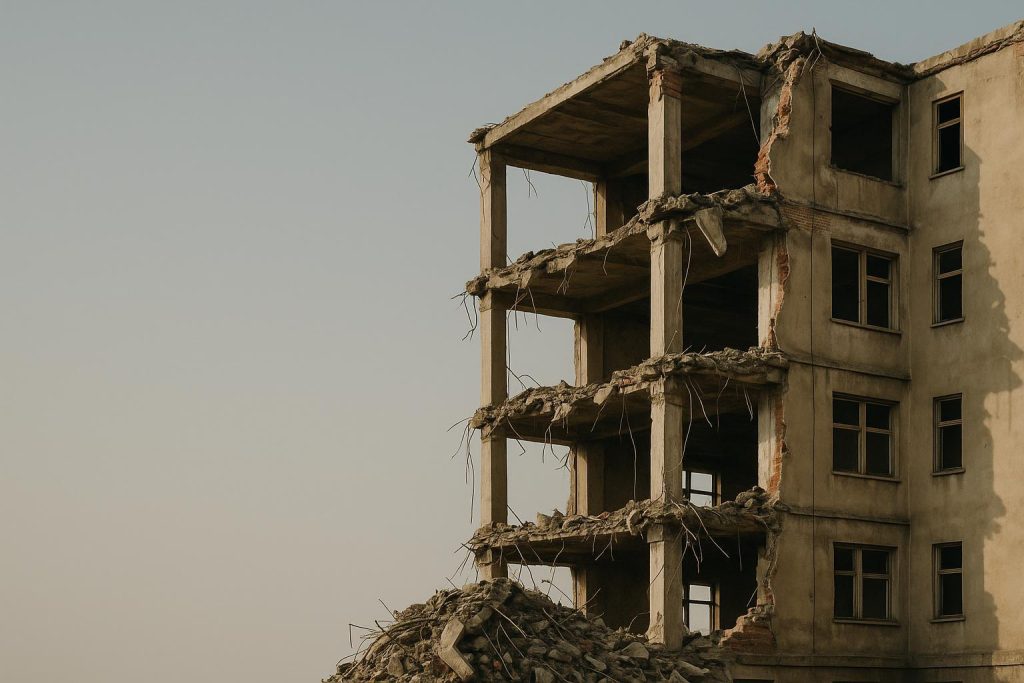
Historic Property Demolition: Key Restrictions and Considerations
Demolishing a historic property is often a more complex process than tearing down a standard building or structure. Many communities actively protect buildings and areas with historical or cultural significance. If your property is designated a heritage site—or even just falls within a heritage district—you must follow strict rules to ensure any demolition or alteration does not erase critical cultural landmarks. Below, we delve into the major aspects of handling demolitions on historic properties, including the regulatory landscape, permit requirements, common challenges, and potential best practices. By understanding these factors, you’ll be in a better position to determine how to proceed responsibly, efficiently, and in compliance with local laws.
Before you begin, it’s worth noting that the guidelines for historic properties are not always one-size-fits-all. Rules vary greatly by region, municipality, and specific heritage classification. In some cases, the restrictions only apply to the building’s exterior, while in other situations you might need special approvals to modify particular interior finishes. Knowing what applies to you depends on learning the local regulations ahead of time. This is why seeking professional advice is so critical. Below, we’ll board a more in-depth exploration of these considerations, offering insights for new projects and small-scale demolitions alike.
Understanding Local Heritage Designations
One of the first steps you should take is determining whether your structure is officially recognized as a historic property. Many cities maintain a heritage registry or compiled inventory of buildings that hold architectural, cultural, or historical value. Some listings also factor in intangible qualities, like a connection to local traditions or significant events. If your property features on this registry, it typically means more oversight—and potentially more paperwork—when you want to do construction or demolition work. Municipal heritage boards and local planning offices are often your top resources for clarifying guidelines surrounding designated properties.
Keep in mind, in some places, an entire neighborhood may be under conservation. In such heritage districts, demolitions are often regulated even if your exact address isn’t individually named on a registry. This ensures the area retains its overarching historic character and architectural consistency. Before starting the demolition or partial teardown of any feature—whether it’s an old porch, exterior facade, or interior structural element—verify your home’s status with the relevant heritage board office. Skipping this step could result in steep fines, screening delays, or other penalties that can halt your project.
For historic properties in the Edmonton area, you can often consult public databases or contact your local municipal offices. If you’re located in a surrounding region, such as St. Albert or Sherwood Park, you can also reach out to community planning departments. Confirming those guidelines not only helps you stay within legal bounds but also provides clarity on what you can and cannot remove, saving you time and resources in the long run.
Permit Requirements for Heritage Demolition
One crucial element of a heritage demolition project is the permitting process. Special types of demolition permits may be necessary if your property has a historic designation, or even if it has partial protections. This normally entails gathering additional documentation, such as:
- Architectural plans: Plans may need to show precisely how you’ll preserve significant buildings or original details. In some cases, your documentation must include photos or a formal study of the property’s historical attributes.
- Historical assessments: A professional historian or heritage consultant could be required to evaluate what part of the building holds localized cultural or architectural value. This helps identify those key features you must maintain or replicate following demolition or renovation work.
- Engineering reports: Structural engineers can confirm if partial demolition is safe or if complete demolition is unavoidable. Sometimes, if the building’s foundation is unsound, heritage boards might still consider a plan that supports saving a facade or key design elements.
Obtaining the appropriate permit often requires working closely with local heritage officials or historic preservation committees. They will ensure your proposed plan mitigates unnecessary removal of historically significant design features. In certain cases, you might face conditions like restoring exterior materials that match the building’s original appearance or scheduling your demolition to coincide with a photographic documentation project that records the structure in detail prior to work beginning.
It’s also important to note that general demolition permitting rules vary by location. If you’re looking for a broader perspective on demolitions outside of historic regulations, you might check out our related FAQ titled Are permits necessary for demolishing an old deck? While that question focuses on deck demolitions, you’ll find some parallels when it comes to navigating local permit laws.
Partial vs. Complete Demolition
In heritage contexts, total demolition may be off-limits unless the structure is deemed irreparable. On the other hand, partial or selective demolition can allow you to keep your building’s historically significant features intact while updating or removing less vital sections. This could involve preserving original windows, decorative trim, or period architecture while clearing out damaged additions or modern outbuildings that detract from the historical essence. Such an approach balances development needs—like expansion or modernization—against the community’s desire to protect valuable cultural assets.
One example is the removal of an interior wall, historically inaccurate addition, or out-of-character roofing while maintaining the outer facade for appearances. This process is often known as selective demolition. If you need smaller-scale demolitions that carefully protect your property’s historic facade, you might explore services such as Interior Demolition. Interior demolition often enables building owners to make significant upgrades or changes, all while minimizing the impact on historically significant features. It’s a more nuanced approach, demanding specialized knowledge of older construction methods and finishes.
Those who undertake partial demolition typically must confirm with local heritage boards precisely which areas of a building can be altered. Any existing bracketed eaves, original woodwork, or masonry details might be subject to special approvals. If it’s discovered mid-project that these elements hold greater cultural importance than initially thought, you might need to pause and reapply for further permits. As you can imagine, that adds time and expense, so careful planning remains indispensable.
Working with Heritage Boards and Preservation Authorities
Heritage boards, also called preservation committees or heritage advisory panels, exist to maintain the cultural fabric of a community. They achieve this by working closely with property owners who wish to modify or demolish buildings with recognized historical or architectural value. If your building is in a heritage district, these boards will likely become your prime partner—reviewing plans, suggesting modifications, and ultimately granting or denying approvals for demolition.
It can help significantly to collaborate with these officials early in your planning phase. Many boards encourage owners to present initial designs long before applying for permits, giving them a chance to propose alterations that might preserve more features or keep the property in line with historical aesthetics. This collaborative approach often reduces friction and fosters mutual understanding of what’s most important to preserve.
While the details jump from city to city, the concept remains similar: these authorities want to ensure historically valuable structures aren’t lost to standard development practices. In some rarer instances, if your building is severely deteriorated, boards may accept a plan to dismantle a portion of the structure while requiring salvage and reuse of certain materials. If you’re uncertain about the process, a good first step might be contacting local planners or research offices for direct guidance.
Essential Considerations for Historic Demolition Projects
Before you pick up a sledgehammer or hire a demolition team, take note of these factors:
- Compliance with local law: Confirm that your demolition plan meets municipal building codes, environmental regulations, and, critically, heritage preservation statutes specific to your area.
- Financial impact: Demolishing a protected structure can involve more administrative steps than a standard teardown. Expect extra costs for specialized consultants, advanced engineering reports, or alternative demolition strategies. If you’ve budgeted out a typical project timeline, it might need adjustments.
- Historical documentation: Some heritage boards may request comprehensive documentation of the building before any demolition occurs—think photographic surveys, archival research, or even 3D scans for future reference.
- Protective measures: Certain areas of a historic property may demand special handling, especially if they contain artisanal stained glass, antique wood beams, or other delicate features you plan to salvage for re-use. If your plan includes reusing these elements, it’s helpful to create a detailed salvage strategy.
- Waste disposal: Historic buildings can contain older materials like lead-based paint, asbestos, or other hazardous substances. Properly disposing of demolition debris is critical. If you’d like more info on waste disposal requirements in your area, we have a related FAQ titled Are there guidelines for disposing of demolition waste in my area?
Interior Demolition Alternatives for Heritage Structures
Often, demolition conjures images of bulldozers or entire houses coming down in a cloud of dust. However, quite a bit of “demolition” is actually interior or selective in nature, especially for heritage properties. For instance, if the floors in your heritage home are uneven or rotting, or if you need to remove certain walls that aren’t part of the original layout, interior demolition permits you to address those issues while preserving core architecture. This method can be a wisest approach if you’re aiming to protect period-specific details like crown moldings, plasterwork, or historically significant flooring.
Interior demolition professionals often work with care in older buildings, ensuring minimal disturbance to load-bearing walls or historically significant surfaces. They also tend to have experience with diagnosing structural problems left over from older designs and can provide solutions that retain the building’s unique character. By choosing partial or selective removal, you balance functional updates with respect for your property’s historic significance.
If you have other structures on your site—like a detached garage in poor shape, or a modern addition that’s overshadowing the original building—partial demolition might also be a relevant solution. You can reduce hazards or remove unsightly outbuildings without harming the older structure that the heritage board wants to protect. For more information on specialized demolition scenarios, check out our FAQ titled Are there special permits needed to demolish a detached garage? This content can help you identify strategies for working on outbuildings while remaining compliant with local rules.
Engaging Professional Contractors
If you own a heritage property, there’s a good chance you’d like someone with hands-on experience to guide you through the demolition or remodeling process. Choosing a contractor familiar with local municipal guidelines—and ideally with experience in preserving historic structures—goes a long way in streamlining your project. Skilled demolition specialists can also help you orchestrate the necessary engineering reviews, permit applications, and salvage or recycling efforts.
For instance, specialized demolition teams know how to carefully remove interior walls or other building elements without harming historically valuable features. If you’re dealing with older materials that can’t simply be trashed, a reputable contractor can direct you to licensed landfills or recycling facilities. They can also manage the safe removal of hazardous substances, common in older homes. Working with the right professionals isn’t merely about convenience—by staying compliant with heritage regulations, you reduce your risk of penalties and help preserve culturally important landmarks.
In the Edmonton area, for example, local demolition experts typically maintain strong relationships with municipal authorities, ensuring a smoother approval process. These contractors are aware of which forms and documentation you’ll likely need ahead of time, helping you avoid unpleasant surprises that might stall or complicate your project. Collaborating with seasoned professionals is one of the top ways to handle a heritage demolition responsibly.
Alternatives to Full Teardown
Sometimes people purchase older homes with the intention of removing everything. However, if the property is in a heritage zone, you may want to explore creative options that preserve the essence of the building while updating it. For instance, adaptive reuse practices allow you to repurpose and modernize a historic property instead of razing it entirely. By retaining materials wherever possible, you show respect for local culture and environmental consciousness by reducing the waste generated by large-scale demolition. Preservation societies and municipal boards often look kindly on these efforts, and in certain cases, you could even be eligible for grants or local tax benefits designed to encourage heritage conservation.
Partial or interior demolition could also be combined with renovation. You’d keep core architectural elements intact—like a unique brick facade or stained-glass windows—and tear out only what’s absolutely necessary, like compromised structural beams or dangerous wiring. From there, you can integrate modern amenities such as updated electrical and plumbing systems, or open-concept living rooms, without stripping the building of its historical identity. These solutions provide a win-win scenario: owners get to enjoy modern comfort while still maintaining ties to the past.
Plan Ample Time and Budget
While standard demolition projects can get done fairly quickly—especially small-scale teardowns—a historic property demolition or partial demolition typically demands a more extended timeline. Not only must you navigate permit checks, you may also have to adhere to set periods for public notices or appeals concerning modifications of heritage structures. If your project is contested by local preservation groups, expect additional meetings or negotiations to demonstrate your plan’s merit.
Budgeting for comprehensive demolition in a heritage setting also requires factoring in the cost of specialized advice, engineering support, or professional salvage. If an aged structure shows signs of dangerous materials, an environmental abatement company may have to step in, further raising expenses. That initial figure you might have had in mind for a standard teardown could grow considerably once you account for heritage guidelines. Being prepared upfront for these additional steps helps you avoid unpleasant surprises and ensures your project stays on track.
Staying Compliant and Looking Ahead
If you fail to comply with historic demolition rules, the consequences can be significant, ranging from financial penalties to forced reconstruction of demolished elements. Additionally, you risk losing the goodwill of the local community, which can be a genuine setback if you have future development plans in that neighborhood. When you’re dealing with a historically protected structure, the name of the game is planning ahead and respecting the heritage board’s role in preserving community landmarks for future generations.
Above all, ensure you fully understand your obligations before breaking ground. If you have any doubts, consult your municipal government, a heritage board, or a demolition contractor with heritage experience. You might also benefit from cross-referencing multiple local guidelines. By thoroughly studying the regulatory environment, you reduce the likelihood of halted work mid-demolition, wasted materials, or damaged relationships with preservation committees.
Waste Management for Historic Demolitions
In many older homes, the presence of obsolete or harmful materials—like lead paint, old plaster with asbestos, or decaying wood—can complicate disposal. Some of these issues pop up in non-historic buildings as well, but older structures tend to carry greater concentrations of such materials due to past construction practices. Proper sorting, removal, and disposal are essential not only to keep your site safe but also to remain consistent with environmental policies. If you’re curious about how to handle debris from a demolition site, you can explore another FAQ we offer: How can I recycle concrete slabs from a demolition site?
When it comes to hazardous debris, you may need approval or specialized services to handle removal. Look for an experienced junk removal or demolition service that understands these complexities. They can coordinate the disposal with vetted facilities designed to handle older building materials. This thorough approach to waste management helps ensure that you address the environmental aspect of heritage demolition responsibly, providing a complete job without undue risk to workers, neighbors, and the property itself.
Expert Help when You’re Ready
When planning any size of demolition project in a historic context, it is wise to collaborate with professionals familiar with both the structural side and the heritage side of property improvements. You can gain clarity on cost, scope, and the required approvals before a single brick is removed. The synergy of working alongside local heritage boards, well-trained demolition teams, and specialized consultants will save you hurdles in the long run.
Historic property demolitions need not be stressful. With the right preparations and technical knowledge, you can achieve your renovation goals without undermining your building’s cultural or architectural worth. If you still have questions about the demolition process, feel free to check out our Demolition page for more information on ways we approach various teardown projects. Keep in mind that every historic property situation is unique. If you need guidance on your specific project or an estimate, it’s best to reach out to a professional demolition service or consult your local municipality’s heritage department early in your planning stage.
By balancing respect for historical authenticity with your modern needs, you’ll preserve an important piece of community identity while enjoying the benefits of an updated, safe, and functional property. Doing your due diligence—locating relevant permits, planning carefully, and speaking with experts—will put you on the right path for a successful project.