
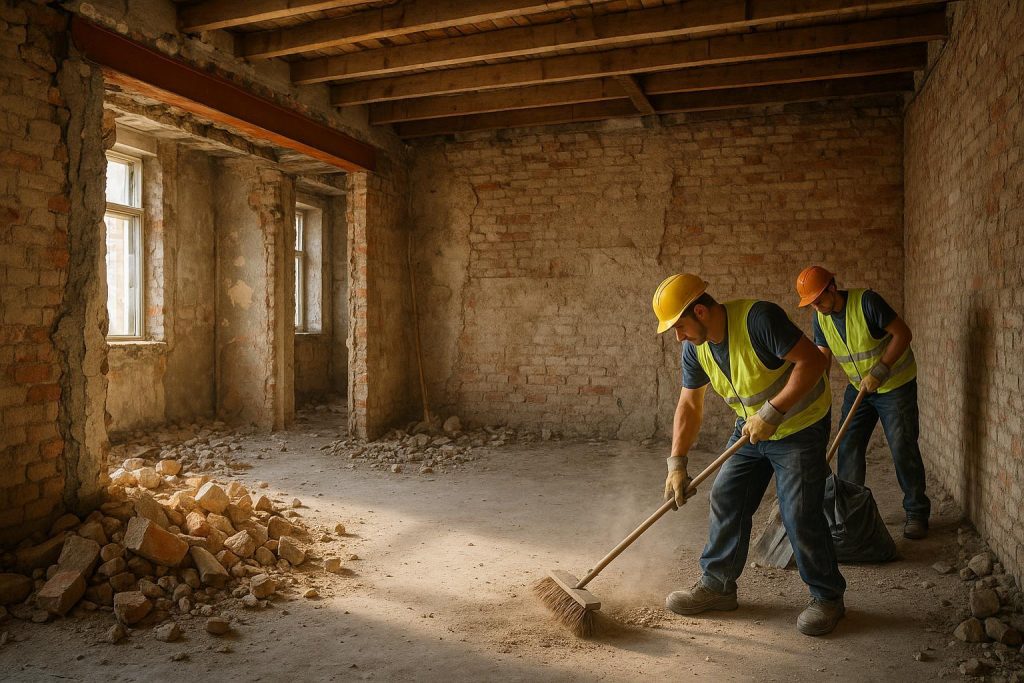
Ensuring a Thorough Post-Demolition Site Cleanup
When a demolition project finishes, the work is only half done if the debris is left behind. Demolition, whether it involves tearing out old drywall, removing obsolete fixtures, or clearing away a small outdoor structure, generates a lot of dust and debris that must be properly removed. Without a methodical post-demolition cleanup, the space remains congested, hazardous, and messy. Knowing what happens after demolition and how debris is cleared can help property owners feel confident in the final outcome. Below, we explore the step-by-step process of post-demolition site cleanup. We’ll cover how crews address debris, how they manage different material types, and why environmental responsibility matters so much. By the end, you’ll have a clear understanding of the measures professionals usually employ to leave a site safe and spotless.
Why a Detailed Cleanup Matters
Site cleanup goes beyond making the area look nice. Proper debris removal is about ensuring safety, maintaining regulatory compliance, and protecting the surrounding environment. Debris can include nails, metal fragments, and sharp edges that pose an injury risk. There may also be old insulation, glass, or drywall fragments left behind after demolition. If these items are not cleared away, you could risk punctures, slips, falls, or more serious accidents. Furthermore, piles of debris can prevent you from moving on to the next stage of a project, such as remodeling or installing new features. By having a thorough post-demolition cleanup plan, property owners also comply with building codes and local disposal regulations. Leaving dangerous materials lying around can create damage far beyond the project site, as harmful substances can blow off into neighboring areas or pollute local landfills if disposed of improperly.
Key Steps in Post-Demolition Cleanup
A successful post-demolition cleanup typically follows a structured set of steps, carried out by a professional team with the right experience and equipment. Here are some essentials:
- Site Assessment: First, the team reviews the demolition area to identify potential hazards, determine what equipment is needed, and create a strategy for fast, efficient debris removal.
- Shoring and Safety Measures: If there are partial walls or other structures still standing, the cleanup team ensures they are stable and no collapse risk remains.
- Collection of Debris: All debris is assembled in one place or divided into separate piles for easier sorting. Crews often use heavy-duty tools like wheelbarrows, specialized dumpsters, and protective gear.
- Sweeping and Vacuuming: Once large debris is removed, the site is vacuumed, swept, or both to capture smaller shards and fine dust that simple rakes or shovels might overlook.
- Inspection and Disposal: Finally, the debris is carted off for proper disposal. Teams often revisit the area to double-check that no hidden debris was missed in corners or under remaining structures.
Sorting and Disposal of Demolition Debris
Materials from demolition projects vary widely. You might have metals, plastics, wood, concrete, drywall, glass, and even potentially hazardous substances like asbestos. Responsible cleanup processes usually separate materials to send them to the correct waste facilities or recycling centers. Metals like steel and aluminum, for instance, can be reused. Wood debris may be recycled or repurposed. Concrete can also be crushed and made into aggregate for new projects. By carefully sorting everything, you lower landfill usage and help keep your area’s environment a bit cleaner. This sorting can happen on-site or at a specialized location, but the key is ensuring you’re in compliance with local regulations.
Handling Hazardous Materials
Some demolition projects, especially those in older homes or properties, can uncover hazardous materials—like lead-based paint or old insulation. These items require specialized handling, and a qualified crew will know how to test, identify, and remove them without risking the health of workers or neighbors. Trained professionals may use containment barriers or negative-pressure systems to keep harmful substances from drifting away. They’ll also label, bag, and seal contaminated debris separately. Licensed disposal facilities will handle these items responsibly, preventing them from contaminating normal waste streams. By relying on experienced teams, property owners avoid penalties and environmental liability down the road. This is especially important if you’re in a region with strict guidelines on construction or demolition waste.
Why Environmental Responsibility Counts
Environmental responsibility is more than a buzzword. It’s a practical approach that helps keep your community livable for the long term. Effective demolition operations minimize waste and ensure recyclable materials do not head straight to the dump. Many companies and local regulations now emphasize recycling and reusing as much as possible. That may mean separating metals to be melted down, setting aside wood materials for repurposing, or treating leftover drywall so it doesn’t end up clogging landfills. This multi-step approach respects your budget too. Every time you recycle or reuse a material, you may reduce disposal fees and decrease the total volume of your waste shipment to the landfill. If you’re in Edmonton or any surrounding area, you’ll likely find local programs and disposal centers that encourage or even require recycling efforts. Keep in mind that choosing environmentally responsible demolition and cleanup solutions not only helps the planet, but also tends to present a more organized, efficient project workflow.
Professional Equipment and Techniques
Experienced cleanup crews often use a range of specialized equipment to manage post-demolition debris. Heavy-duty dumpsters, skid-steer loaders, roll-off containers, and lifts can speed up the removal process. Hand tools like shovels, rakes, and brooms are used for detail work. When dealing with materials that need to be cut down or broken apart (like wooden beams or frayed metal edging), appropriate cutting tools or saws are on hand. This thorough approach speeds things up while ensuring a safer environment. Dust suppression methods, for example, might involve water spray to keep airborne particles to a minimum. If you’re working with an older structure or tackling a more involved project—like tearing out concrete—partnering with a crew that has the proper expertise is critical. In fact, for projects involving heavier materials, specialized services such as concrete demolition may be absolutely necessary.
Working with Experienced Professionals
Having a trusted team manage your demolition and debris removal can save time, headaches, and money. Professionals know how to handle sites of all scopes, from a cluttered shed teardown to a more involved interior demolition project. They’ll have strategies to control dust, pack debris efficiently, and identify items that must be handled with care. This is particularly important if you’re on a tight schedule, such as moving into a house that needs a quick remodel or clearing out a commercial space where any delay might cost you rental or business opportunities. Experienced crews also bring valuable knowledge of local laws and guidelines, ensuring your site aligns with any disposal regulations in St. Albert, Sherwood Park, Spruce Grove, or Fort Saskatchewan. Choosing folks who handle demolition debris day in and day out will give you true peace of mind.
What Is Not Included in Certain Demolition Services
Not all demolition services are created equal. Some providers only do tear-downs but don’t include disposal. Others may remove the big items, but leave behind piles of rubble for the property owner to handle. If you need an all-in-one solution, ask your demolition company upfront whether they handle disposal, sweeping, and finishing touches. Also, it’s essential to note that many local contractors, including The Junk Guys, do not offer large building demolitions or full-scale industrial teardowns. They specialize in smaller residential or light commercial removal, such as interior walls, fixtures, decks, or even old sheds. The same applies to partial deck demolitions: standard services might differ if you only need small sections removed. Always clarify exactly what your project entails so everyone is on the same page.
Different Types of Demolition Projects
Cleanup measures will change depending on the scope and nature of the project. For interior jobs—like removing old bathroom tiles or tearing out cabinetry—crews are careful to protect surrounding rooms or furnishings that remain. They might seal doorways or vents, and they’ll put down protective coverings if dust or debris might migrate. Larger outdoor projects, like a detached garage teardown, usually involve heavier machinery and sometimes bigger dumpsters. Water or dust-suppressing measures ensure that any wind doesn’t carry debris to neighboring properties. If the demolition involves old concrete, specialized concrete demolition tools help break up the material for easier hauling. Regardless of the exact job type, the basic principle of collecting, sorting, and disposing of all scrap remains consistent.
The Role of Recycling and Reuse
Conscious homeowners and businesses appreciate when their old materials find new life elsewhere. By partnering with services that make recycling part of their standard process, you reduce your environmental impact while also potentially cutting haul-off fees. Wood can be donated or repurposed, metals are often melted down, and large chunks of concrete are turned into gravel or other foundational materials. Even small items like fixtures or hardware can occasionally be set aside for salvage. This means something that was taking up space in your property might be reworked into a valuable resource for someone else. It’s a win-win for your budget and the planet.
Site Restoration and Final Touches
When all the debris is removed, your demolition crew may provide a few finishing services, such as backfill or basic landscaping if a structure was removed from an outdoor area. These final touches ensure that the space is safe, level, and ready for the next step. If you’re planning a remodel or a new build in the same location, you’ll want to hand over a clean slate to your construction team. Many property owners are pleasantly surprised to see how swiftly a space can be readied for fresh development or repairs when the cleanup is thorough. Remember, attention to detail sets the stage for a successful follow-up project, so always choose a demolition service that invests that extra bit of effort.
Working With a Trusted Team
Choosing a reputable service for demolition debris removal can make a significant difference in how quickly you can move on to your next project. A skilled company like The Junk Guys knows how to handle tasks ranging from demolition of small residential structures to partial interior tear-outs. They’ll approach each job with an organized plan, prioritizing safety and environmental impact. If you have specialized needs—like bed bug furniture removal or a large estate cleanout—you can rely on professionals who offer comprehensive solutions. Ultimately, the aim is to help you check off an important step in your renovation or property clean-up: clearing the entire site of rubble, dust, and hazards so it’s remodel-ready.
If you’re deciding who to hire to clean up post-demolition, focus on expertise, transparency, and efficient processes. It’s helpful to check that they’re familiar with your local rules, whether you’re in Edmonton or one of the neighboring communities. Ask about the disposal methods, separate fees for specialty items, and their approach to sorting and recycling. By working with top-notch pros, you’ll enjoy the peace of mind that comes from a spotless transition between demolition and the next phase of your project. In the end, that’s the real measure of a successful demolition—walking onto your property knowing every bit of debris is gone, hazards are managed, and the area is prepped for whatever lies ahead.