
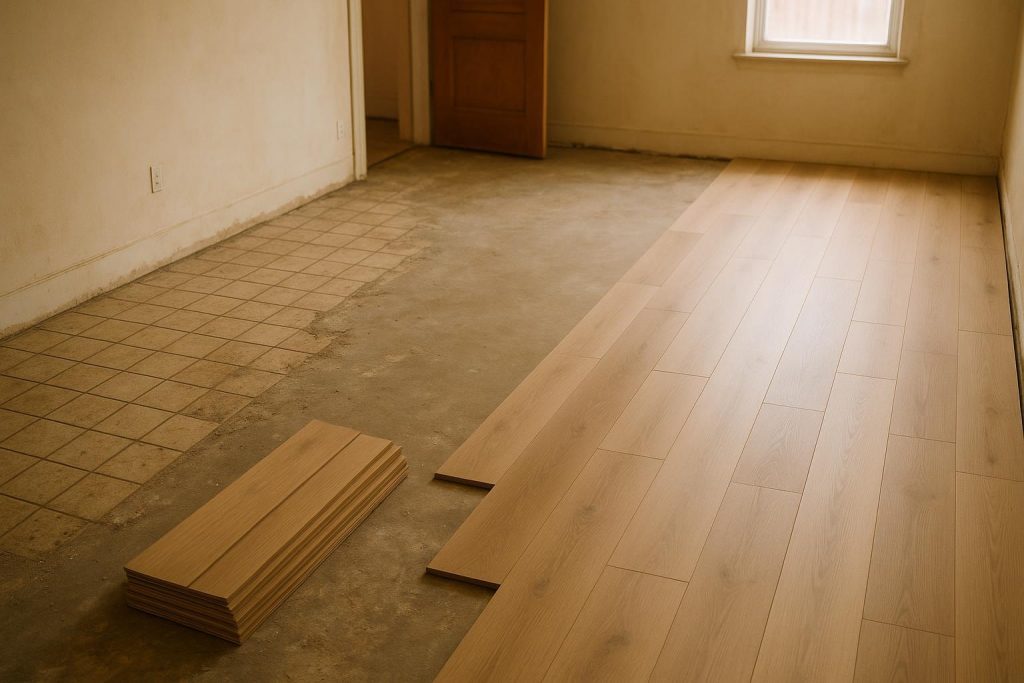
What You Should Know Before Installing New Flooring Over Old
When it comes to renovating a space, one of the biggest sighs of relief comes from knowing you may not need to fully remove your old flooring before putting down the new. For many homeowners, this raises the question: Can I put new flooring on top of old flooring? As with most renovation decisions, the answer depends on several factors. Understanding these details can mean the difference between a smooth, long-lasting installation and a creaking, uneven floor that needs to be fixed again in a few months. In this in-depth guide, we’ll explore the key considerations when deciding whether to install your new flooring over the existing floor. We’ll discuss different types of flooring, pros and cons, structural concerns, and best practices to ensure you end up with a floor you love.
1. Assessing the Condition of the Existing Floor
The first and possibly most important step is to evaluate the condition of your current floor. Even if your old floor looks intact, there may be hidden problems such as water damage, mold, or warping. If these issues are not addressed, layering new material on top may lock in the problem and worsen it over time. When you’re assessing the current floor, consider checking:
- Flatness and Leveling: Walk across the surface slowly and pay attention to any dips, rises, squeaks, or soft spots. These indicate an uneven subfloor or structural issue that must be resolved.
- Secure Fastening: If your old floor is made of wood planks, make sure there are no loose boards or nails popping up. Anything rattling or shifting needs fixing before installation.
- Water Damage: Check beneath sinks, near windows, and around exterior doors for any signs of water stains, swelling, or discoloration. Moisture trapped beneath layers of flooring can lead to mold or further decay.
- Cleanliness: It’s crucial to remove debris, grease, or any foreign materials that could weaken the bond between the old and new floors.
By addressing these potential problems early, you’ll have a sound base for your new flooring. It’s often more straightforward to address the root issue than to layer new material on top of old, only to find out later that you have a more expensive problem on your hands.
2. Understanding Different Flooring Types
Whether or not you can install new flooring on top of old also depends on the type of flooring you currently have and the type you want to install. Keep the following considerations in mind:
- Laminate Over Vinyl or Tile: Laminate is relatively thin and can sometimes be installed over old vinyl or ceramic tile, provided the tile floor is level and not prone to cracking. However, tile’s grout lines and texture can create an uneven surface if the tile is badly worn or loose.
- Vinyl Over Old Wood: Many modern vinyl products (especially luxury vinyl planks) can be placed over a well-prepared wood floor. If the old wood is in good condition and doesn’t have significant cupping or warping, vinyl overlay might be possible.
- Tile Over Existing Tile: It’s becoming more common to see tile installed on top of existing tile. The main requirement is ensuring a strong, stable bond. The old tile surface often needs to be scuffed or etched to improve adhesion. Any high spots or cracks in the old tile must be addressed to avoid transferring issues to the new layer.
- Hardwood Over Old Hardwood: In some cases, you can install a new hardwood floor over an existing hardwood surface. However, this may not always be advisable because of added floor height and hidden imperfections. Nail-down hardwood can become tricky if your old floor is creaky or uneven.
Every flooring material has its own specifications provided by the manufacturer. It’s crucial to read the instructions closely to see if installing over existing floors is permitted. Many manufacturers actually indicate recommended conditions, such as flatness tolerances and moisture levels. If you’re unsure, consult a flooring professional or the manufacturer’s guidelines.
3. Pros of Installing New Flooring Over Old
There are some clear advantages to layering your new floor rather than tearing out the existing one:
- Time Savings: Removing old flooring can be time-consuming and labor-intensive. If your existing floor is in good shape, installing directly on top could cut your installation time dramatically.
- Cost Savings: Ripping out the old floor often involves additional labor and disposal costs. If you skip this step, you might keep more money in your pocket.
- Less Mess: Demolishing an old floor tends to create dust, debris, and potential hazards. By minimizing tear-out, you can avoid the worst of the mess—especially helpful if you’re living in the home during renovations.
- Additional Insulation: In some cases, having extra layers of flooring can provide a bit more insulation or soundproofing. This can be particularly beneficial in condos or two-story homes where sound transfer might be a concern.
These pros revolve mostly around convenience, cost, and time. In certain scenarios, especially in multi-level dwellings, a layered floor could also mitigate some minor noise issues.
4. Cons of Installing New Flooring Over Old
While the potential benefits might draw you in, there are also several disadvantages that can seriously impact the long-term success of your project:
- Trapped Problems: By covering up defects, you risk sealing in significant issues like moisture, mold, or structural damage. Over time, these problems often worsen, leading to a total replacement that ends up costing more.
- Increased Floor Height: Each new layer adds thickness to your floor. That can lead to awkward transitions to other rooms, doors that no longer open or close properly, or a noticeable “step-up” effect. In extreme cases, this can create safety issues or code violations.
- Warranty Issues: If your new flooring has a warranty, it may be voided if you install it on top of an unsuitable surface. Manufacturers often require certain conditions for the subfloor or existing floor for the warranty to remain valid.
- Potential for Movement: Adding a new floor on top of an old one that’s not securely fastened or stable can result in shifting, creaking, or warping.
Balancing these pros and cons often comes down to the condition of the existing floor and the type of new flooring you plan to install. When in doubt, consult a professional.
5. Proper Preparation and Installation Tips
Whether you opt to install new flooring on top of your old floor or decide to remove the existing layers, there are several best practices to keep in mind:
- Thorough Inspection: Before proceeding, make sure you’ve identified any underlying issues such as water leaks, mold, or structural weaknesses.
- Level and Smooth the Surface: High spots can be ground down, while low spots may need patching. Use a leveling compound if necessary, but always follow the manufacturer’s instructions.
- Install an Underlayment (if Required): Certain flooring (like laminate or luxury vinyl plank) might require an underlayment. This helps with sound absorption, moisture protection, and minor subfloor imperfections.
- Acclimate Your Flooring: Many materials like hardwood or engineered wood need time to acclimate to the room’s humidity and temperature. Store your new flooring in the renovated area for the duration recommended by the manufacturer.
- Clean Thoroughly: Always start with a clean work surface. Even small debris can cause lumps or lead to damage.
Taking these steps seriously ensures that your new floor installation has the best shot at lasting for years to come.
6. When Removal Is the Better Option
Even if you hope to save time or money, there are times when removal is the better (or only) option:
- Severe Damage: If your old floor is severely warped, water-damaged, or moldy, it’s often best to remove it completely. Otherwise, you’re just burying issues you’ll have to fix later.
- Multiple Layers Already Present: Building codes in some areas limit how many layers of flooring you can stack. Exceeding these limits may cause problems with inspections or safety requirements.
- Hefty Height Difference: If you’ve already got a thick floor and you add another layer on top, your doors, thresholds, and appliances might not fit properly. This is especially important in kitchens with built-in dishwashers or tight-fitting refrigerators.
- Uneven Base: No matter how tempting it might be, if the underlying surface is significantly uneven, the new floor can only hide so much. You almost always want a strong, even subfloor for best results.
Removing old flooring can be labor-intensive, but it’s often necessary to achieve a professional, durable outcome. If you feel overwhelmed at the thought of hauling away the old material or dealing with the demolition process, there are services that can help.
7. Considering Professional Demolition Assistance
If your existing flooring is thick, damaged, or composed of multiple layers, you may reach the stage where removal is simply more practical than layering. In these scenarios, having a professional demolition service can be a game changer. Beyond just saving you time, experts can handle potential hazards (such as mold or old adhesives that may contain harmful substances) safely and efficiently. If you’re in the Edmonton area and need reliable help removing old flooring, The Junk Guys offer interior demolition services, assisting homeowners in getting rid of old drywall, flooring, or other interior fixtures. Their approach focuses on removing unwanted materials quickly and responsibly, leaving a clean slate so you can move on with your renovations.
Professional assistance is especially helpful if you suspect your floor may have hidden mold or if you have older flooring possibly containing asbestos (as with some very old vinyl tiles). Demolition experts, or specialized remediation teams, can guide you on the proper way to remove these floors, ensuring the environment remains safe for everyone involved. Though it’s an added step, the peace of mind and improved durability can be worth it.
8. Frequently Asked Questions About Layering Flooring
- Q: Does adding a new floor on top of the old one reduce its lifespan?
A: It depends on whether the underlying surface is stable and suitable. If your old floor is in bad shape, it can affect the new one and reduce its lifespan. In contrast, if the existing floor is structurally sound, properly cleaned, and level, the new layer can last just as long as if it were installed over a brand-new subfloor. - Q: Can I lay hardwood directly on top of tile?
A: In certain cases, yes—although you’ll need to confirm that the tile is firmly adhered, free of cracks, and thoroughly cleaned. It’s also important to account for height differences. An appropriate underlayment may be required for hardwood installations. - Q: What if my floor squeaks?
A: Squeaks usually point to a loose board or a gap under the subfloor. These minor issues can often be resolved with additional screws or shims. Ideally, you should correct squeaks and movement before installing your new flooring. - Q: Will layering floors affect my doors?
A: Adding even half an inch of new flooring might cause interior doors to stick. You may have to trim them. Always measure door clearance, especially if you’re adding a thick flooring material like tile or hardwood. - Q: Is it okay to install tile over vinyl?
A: In many instances, it’s possible, but be sure the vinyl is well-affixed, without major bubbles or damage. You may also need a cement backer board over the vinyl to get the substrate robust enough for tile.
9. Steps for a Successful Flooring Project
To bring everything together, here’s a simple overview of what a successful flooring project might look like:
- Evaluate Your Existing Floor: Walk on it, probe for damage, check for moisture, and gauge its levelness.
- Research Flooring Options: Choose a floor type well-suited to your space and your old floor’s condition. Make sure to check manufacturer instructions for any mention of installing new product over old flooring.
- Remove or Prepare: Decide whether to remove the old floor or prepare it thoroughly for the new layer. If opting to remove it, budget time and resources to dispose of old materials responsibly.
- Repair Underlying Issues: Address squeaks, warping, or mold before installing anything. Failing to do so can sabotage your project.
- Install Underlayment (If Needed): Some flooring types practically require underlayment to manage sound, moisture, and minor imperfections.
- Lay Down New Flooring: Follow manufacturer instructions to ensure correct spacing, alignment, and acclimation times.
- Finish Perimeter Details: Reattach or replace baseboards, trim doors if necessary, and add threshold pieces where new flooring meets other surfaces.
- Clean Up Properly: A thorough cleanup at the end helps reveal any small issues you might have missed, allowing you to address them before calling the job done.
Execution is key. Each step matters in ensuring the project’s success and longevity.
10. Final Thoughts
While installing new flooring on top of old can be a timesaving, cost-effective way to refresh your space, it’s not a one-size-fits-all solution. The real deciding factor is the condition of the existing floor and whether or not it provides a stable, level, and clean foundation. In certain scenarios—particularly when there’s significant damage, multiple layers, or concerns about hidden moisture—completely removing the old flooring is the better and safer option. If your gut tells you it’s time to start from scratch and you live in an area like Edmonton, there are demolition services that specialize in professionally removing floors and other interior structures, leaving you with a blank canvas.
Renovations can be stressful, but a smooth and successful flooring project will pay off for years in terms of comfort and property value. Do your homework, consult professionals if necessary, and don’t cut corners on preparation. If installing on top of old flooring fits your space and passes all the key checks, it can be a great way to streamline your renovation. Otherwise, removing the existing floor ensures you tackle any lingering issues once and for all. Either path you choose, the ultimate goal is a beautiful, durable floor that stands up to daily life and makes you feel right at home.