
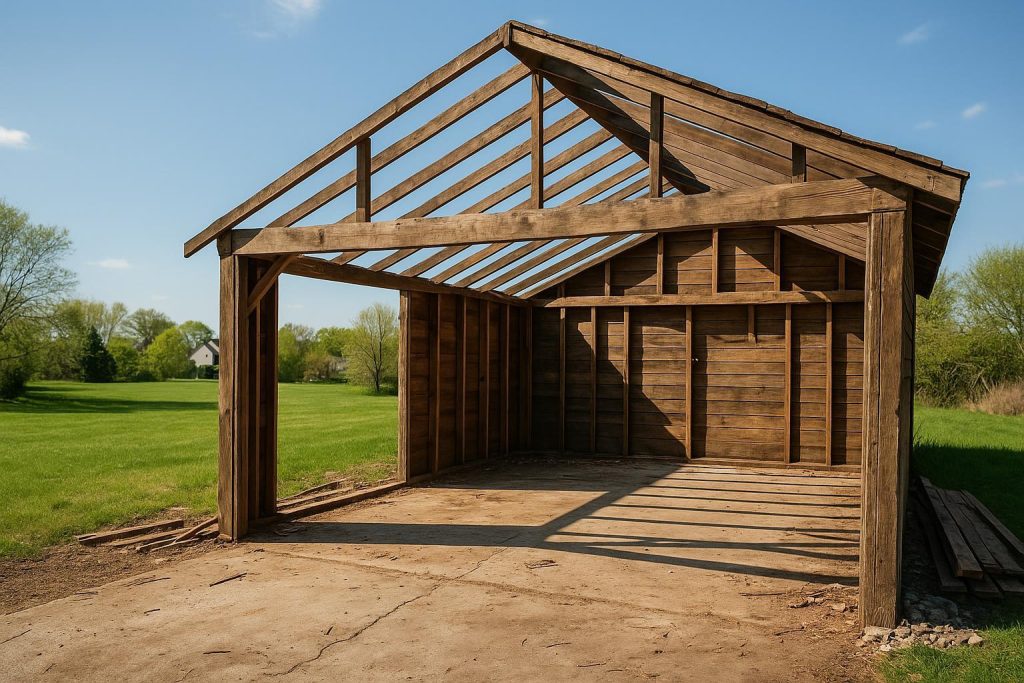
Getting Started with Garage Demolition Permits
Planning a garage demolition requires careful thought and attention to local regulations. Where you live, you might have specific zoning laws, permitting requirements, and environmental guidelines that determine whether you need a formal demolition permit. Taking the time to verify these details helps you avoid legal complications and ensures your project goes smoothly. This comprehensive guide walks you through the ins and outs of determining when a demolition permit is necessary for your garage tear-down, how to approach local authorities, and potential considerations for safe and compliant demolition.
Why Do You Need a Permit for Garage Demolition?
Many municipalities require a demolition permit for any structure that significantly alters a property’s footprint. Even if your garage is small, dismantling it can still pose safety concerns—particularly if it is attached to your home or contains hazardous materials like asbestos. Permits also help municipalities document changes to the property, ensuring that no unauthorized constructions or demolitions compromise public safety or damage utility lines.
In many areas, you are obligated to contact your local planning or building department to confirm whether you need permission to tear down a garage. Some communities have explicit guidelines that require a permit if a building exceeds certain square footage or if it contains electrical or plumbing lines. While minor repairs usually do not trigger permit requirements, complete demolition generally does, especially if you are dealing with an older structure.
Key Factors That Influence Permit Requirements
Before getting started, it helps to know what typically affects whether you need a formal permit. Some of the most common factors include:
- Size of the Garage: Bigger structures are more likely to require a permit, as they pose greater safety and disposal considerations.
- Age and Location: If the garage is very old, it may contain older building materials that must be handled carefully. Also, if the garage is near property lines or public spaces, you might need extra permissions to ensure public safety and neighbor cooperation.
- Hazardous Materials: Asbestos, lead paint, and other hazards often require specialized removal procedures. Municipalities want confirmation that these materials will be dealt with properly, which sometimes triggers a specific demolition permit process.
- Permit Exemptions: Some areas provide exemptions if the structure is under a certain square footage or is not on a permanent foundation. However, these rules vary widely, so it’s always best to check directly with local authorities.
Steps to Determine If You Need a Permit
Because each municipality or county can set its own rules, your best move is to confirm local guidelines before you do anything else. The following steps can help you navigate the process:
- Contact Local Authorities: Reach out to the city or county building office, planning department, or municipal authority. They often have public information hotlines or web portals where you can ask questions and coordinate document submissions.
- Gather Documentation: Have details about your garage ready, such as its dimensions, the address, and photos that illustrate the structure. This speeds up the conversation with officials and helps them determine exactly what’s necessary.
- Discuss Utility Disconnections: Make sure you mention any gas lines, electrical wiring, or water connections in the garage. If you have to turn them off before demolition, it’s important to handle them correctly. In many cases, separate permits or at least documented confirmations may be needed to safely disconnect these utilities.
- Submit Required Forms: If a permit is mandatory, prepare to fill out any demolition application forms, pay the associated fees, and wait for official approval. This process can take a week or longer, depending on how busy the local permit office is and whether inspections are required.
Special Considerations for Older Structures
If you are demolishing a garage built several decades ago, you might come across hidden challenges. For instance, older garages might have been constructed with materials that no longer meet modern building codes. Some common concerns include:
- Lead-Based Paint: If your garage was painted before lead regulations took effect, you could be dealing with lead-based paint, which carries health risks if not handled properly.
- Asbestos: Roof shingles, sidings, or insulating materials may contain asbestos. These materials often require special handling and disposal methods. In many places, the disposal facility must be notified ahead of time, and only certified professionals can remove or transport asbestos-containing materials.
- Historic Designation: Though uncommon, some neighborhoods have special protection for older buildings. If your garage is part of a historic property, or if local guidelines consider it architecturally significant, you may face additional permit requirements or a different demolition approach. For example, you might need approval from a historical review board before obtaining a demolition permit.
The Role of Inspections
In some areas, you cannot proceed with a demolition until an inspection is carried out. You might wonder, “Do I need an inspection before demolishing a garage?” If so, you’re not alone. Many homeowners are required to book an on-site evaluation to ensure the structure poses no immediate risks and that there are no adjoined property line issues. If you want to learn more about how inspections tie into safe demolitions, you can also explore Do I need an inspection before demolishing a garage?. Clear communication with inspectors can prevent confusion, help you plan your project timeline properly, and keep your demolition efforts on track.
Are There Special Permits for Detached Garages?
If your garage is completely detached, that does not necessarily exempt you from the permit process. Detached structures often sit on separate foundations and require special attention to ensure they do not impact underground utilities or neighboring properties. To find out more about detached garage permits, consider reading Are there special permits needed to demolish a detached garage?. Understanding the guidelines for this unique scenario sets you up for success when dealing with local authorities.
Working with Professionals vs. DIY
When you’re new to the demolition process, coordinating building regulations and handling permits can feel overwhelming. If you decide to remove the garage yourself, research is crucial. You will have to handle every step, from securing the permit to arranging debris disposal. If you lack experience using demolition equipment or do not have helpers, it’s best to consider hiring a reliable demolition or junk removal crew with hands-on expertise.
Collaborating with experienced professionals often makes sense because they frequently know how to streamline the paperwork. In many cases, they contact local authorities on your behalf and secure the required permits as part of their service package. This support can save you time, reduce the likelihood of mistakes, and ensure you meet local guidelines. Choosing whether to take on a project yourself or hire specialists depends on your budget, time constraints, and comfort level with equipment and structural work.
Environmental Responsibilities & Disposal
When demolishing a garage, you might end up with concrete slabs, wooden beams, metal roofing, or old insulation. While standard debris can often go to municipal waste facilities, materials like treated wood or asbestos require special disposal steps. It’s worth confirming that you have a plan to separate recyclable materials from landfill waste. If you’re unsure how to repurpose or dispose of certain items, it might help to explore resources that explain how to recycle demolition debris. For instance, you can look into How can I recycle concrete slabs from a demolition site? if you suspect your project will involve handling leftover concrete. The goal here is to stay eco-friendly, avoid fines, and keep your community safe.
Preparing the Garage for Demolition
A smooth demolition begins with thorough preparation. Secure the area around your garage by removing clutter and clearing pathways. Make sure any leftover items inside—like tools, boxes, or old furniture—are removed. Store them in a safe location or decide whether they are ready for disposal. If you still have connected utilities, hire a certified professional to shut them off correctly. Leaving live wires or gas connections active can be dangerous. Adequate signage, barricades, or temporary fencing help keep passersby and neighbors safe.
Additionally, check the weather forecast before kicking off the tear-down. Rain or high winds can complicate your project, making equipment use or debris control more challenging. Proper scheduling is critical to minimize interruptions and ensure you have the right timing—especially if you’ve already received your official demolition permit.
How the Permit Process Typically Unfolds
Once you have determined that a permit is needed, you will likely follow a standard sequence of events:
- Application Submission: You present your official forms and supporting documents to the local building authority. This may include demolition site plans, engineering reports, and any required safety documentation.
- Fee Payment: Many localities charge an application fee. Make sure you have the financial details sorted out to avoid delays, as an incomplete payment can stall the permit process.
- Plan Review: Professionals in the permit office assess your plans for safety, compliance, and environmental considerations. They may ask clarifying questions or request additional paperwork.
- Approval or Conditional Approval: If everything looks good, you will receive either a permit approval or a conditional approval, which may involve scheduling an inspection or meeting certain requirements (for example, showing proof of asbestos removal procedures) before you demolish.
- Final Inspection (if applicable): Some communities perform post-demolition inspections to verify that the tear-down adhered to local regulations. If the site passes, you are in the clear to proceed with any new construction plans or landscaping ideas.
Safety Considerations for a Garage Tear-Down
Safety is a non-negotiable part of any demolition project, even a seemingly simple one like a garage tear-down. Here are some critical safety tips:
- Personal Protective Equipment (PPE): Wear safety goggles, work gloves, slip-resistant boots, and a hard hat. If your structure contains harmful materials, you may need respiratory masks or specialized suits.
- Stabilize the Structure: If the garage is partially collapsed or has weak support beams, brace or shore them up to prevent sudden collapses. Keep others away from the immediate demolition zone at all times.
- Debris Management: Use sturdy containers for nails, glass, and sharp scrap. Piles of debris can become a hazard if not regularly cleared. Frequent cleanup breaks can help you maintain a safe environment.
- Utility Shut-Down: Always confirm that water, gas, and electrical lines have been turned off prior to demolition. Work with utility companies to disconnect lines safely.
When to Consult Additional Resources
Garage demolition often intersects with other home-improvement or deconstruction efforts. You might be doing multiple projects at once, which could demand several different permits or professional assessments. Each situation is unique, so researching all relevant regulations can prevent costly missteps. If you are curious about broader rules concerning waste disposal or the difference between partial and complete demolition, check out other frequently asked questions that address these topics. For instance, if you have an old deck removal or want to confirm guidelines for demolishing other structures, you could explore “Are permits necessary for demolishing an old deck?” or “What is the difference between partial and complete demolition?” on a trusted FAQ resource.
Other Common Questions
Below are some queries people often have when exploring the permit process for a garage tear-down:
- Will I face a penalty for demolishing without a permit? In most municipalities, yes. Fines, project shutdowns, or future permitting difficulties can arise if you bypass the legal process. A bit of planning now saves you from bigger headaches later.
- Can I salvage materials during demolition? Many homeowners claim old doors, windows, or wood for future renovations. If the items are in decent shape and do not contain hazardous substances, salvage could reduce landfill waste and possibly recoup some costs. If you want insight into salvage values, consider reviewing information on Can I salvage reusable materials from a demolition project?.
- What if I discover unexpected pests or infestations? Sometimes, a neglected garage attracts rodents, termites, or other pests that complicate demolition. You should seek professional extermination or pest control services before proceeding to avoid spreading the infestation.
Wrapping Up Your Garage Demolition Permit Journey
Obtaining the appropriate demolition permit for a garage tear-down is not just about paperwork; it safeguards your community and property. By analyzing your garage’s condition, checking for dangerous substances, and coordinating with local authorities, you stay ahead of any potential pitfalls. While the permit process might feel like an extra task on your to-do list, it is an essential one that keeps you compliant and ensures the demolition is handled safely.
Once your permit is in hand, you can coordinate an efficient tear-down schedule. Whether you take the do-it-yourself route or call on a professional demolition crew, make sure you follow best practices in site preparation, utility disconnection, and waste disposal. If you want help with tear-down and debris management, you may explore Demolition services that provide a hassle-free experience, ensuring your old garage is removed responsibly.
Remember that each municipality has its own rules, and projects vary in scope. Use this guide as a starting point to understand what to anticipate, but verify details through official channels. Doing your homework and following proper protocols will help you enjoy a smoother, safer garage demolition process—and allow you to move on to your next home improvement adventure with confidence.