
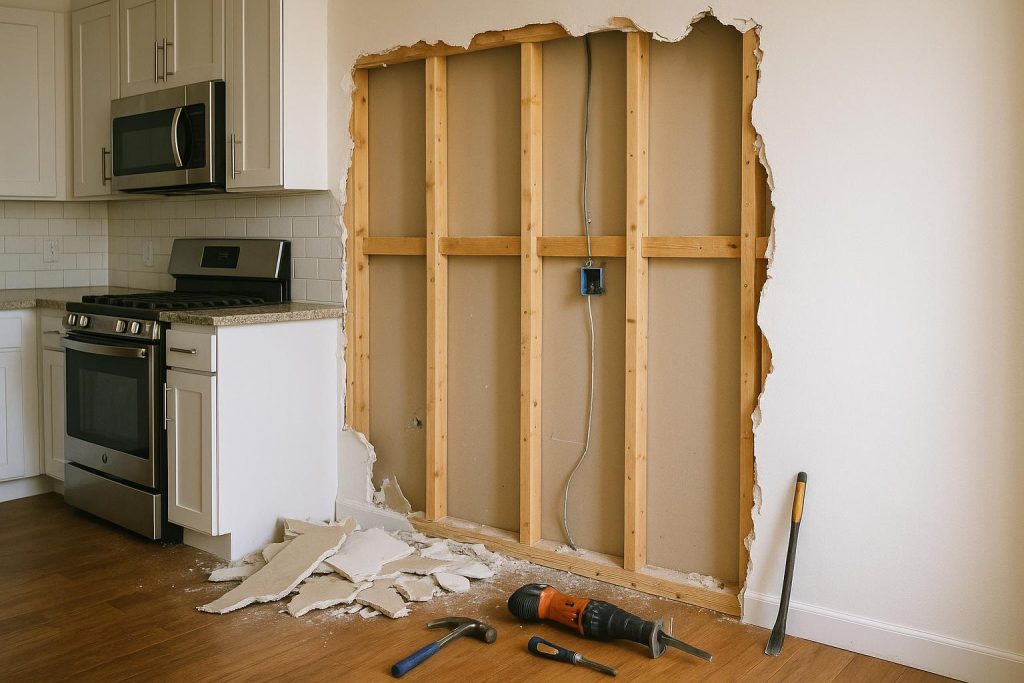
Understanding the Costs of Removing a Kitchen Wall
Knocking down a kitchen wall can be a game-changer for many homeowners. It can open up the layout, bring in more natural light, and make daily cooking or dining much more enjoyable. But one of the first questions people ask is: How much does it cost to remove a kitchen wall? The short answer is that costs can vary widely, depending on factors like the wall’s structure, the space’s overall condition, and whether any surprises come up along the way. In this guide, we’ll walk you through the key considerations so you have a clearer picture of what to expect. You’ll also find tips on how to plan effectively and why working with efficient, no-nonsense professionals can help you save time and money.
Why Remove a Kitchen Wall?
Homes often come with walls that can create cramped or segmented spaces, especially in older designs where kitchens are kept separate from other rooms. Many homeowners these days prefer an open-concept kitchen that flows into the dining or living area. Removing a wall can instantly make your home feel bigger. It also helps people entertain guests more easily. Whether you’re updating a house for yourself or getting it ready for sale, a more open layout tends to attract positive attention.
Structural vs. Non-Structural Walls
One of the biggest cost factors is whether you’re dealing with a load-bearing wall or a non-structural partition. A non-structural wall is mostly there for visual separation. You can knock it down without altering your home’s foundation or ceiling support. In contrast, a load-bearing wall supports the weight of the floors above it. Removing one of these involves more work to protect your home’s structural integrity.
If your wall is load-bearing, your demolition plan may require additional support beams or columns to redistribute weight. This means extra materials, permits, and specialized labor. On the other hand, knocking out a simple dividing wall without any support functions tends to be much cheaper. Always consult a qualified contractor or engineer if there’s any doubt about a wall’s function.
Key Cost Factors
When pricing a kitchen wall removal, there are several elements that affect the final figure. Understanding each one can help you set a realistic budget:
- Wall Type: As mentioned, a load-bearing wall often requires more skilled labor, reinforcements, and inspections than a non-load-bearing wall.
- Materials and Finishes: Drywall is typically straightforward to remove, but walls with lath and plaster, tile, or other older materials can be more time-consuming.
- Electrical and Plumbing: Many kitchen walls have wiring for outlets, switches, or even plumbing lines for sinks or dishwashers. Rerouting utilities adds to the project’s complexity and cost.
- Disposal of Debris: After any demolition, you’ll need to get rid of the rubble. This includes drywall, framing, and any leftover materials. Some companies handle junk removal or interior demolition–related disposal as part of their service.
- Permits and Inspections: Depending on local regulations, you may need building permits. If you live in or around Edmonton, check the latest local requirements to ensure compliance. Permits can add fees, but they’re important for your home’s safety.
- Finishing the New Opening: Once the wall is out, you’ll often need to patch the floor, ceiling, and walls around the opening. Patching, painting, and re-flooring (if necessary) can add to your final bill.
The Wall Removal Process
Whether you hire a contractor or attempt a DIY approach, the removal process itself usually follows a few common steps:
- Assessment: The first step is to evaluate the space, determine if the wall is load-bearing, and locate important utilities like wiring or plumbing.
- Preparation: You’ll typically need to shut off electricity and water to the wall area. The site is also prepped with drop cloths or plastic sheeting to protect your floors and furniture from dust.
- Removal of Surfaces: Depending on the wall’s composition, contractors may remove drywall or plaster first. They’ll cut around outlets or plumbing fixtures if present.
- Framing Removal or Modification: Next, the wood or metal framing is taken out. For load-bearing walls, this might include installing a temporary support before placing a permanent beam or column.
- Clean-Up and Disposal: The debris has to go somewhere. Having professionals on hand to handle removal means you won’t be stuck renting a truck or sorting the rubble yourself. This can be a huge time-saver.
- Final Touches: Once the structural work is done, you can address surfaces like new drywall, flooring transitions, and paint to ensure the space looks seamless.
Typical Cost Ranges
It’s difficult to pin down an exact cost for removing a kitchen wall because every project is unique. In some cases, you might pay a few hundred dollars if you have a small, non-structural wall with limited electrical or plumbing lines. Bigger kitchen walls or load-bearing structures could range into a few thousand dollars or more, especially if you need specialized labor and materials.
To save money, some homeowners choose to do parts of the job themselves, like the initial removal of the drywall. However, if you’re not experienced, you risk causing damage or missing important steps like installing proper supports. It’s often best to hire professionals who specialize in interior demolition, as they understand how to safely remove walls and dispose of materials without issues.
Handling the Debris
After you knock down a kitchen wall, there’s usually a pile of debris left behind. Disposing of these materials isn’t always simple, especially if you have plaster, wood, or items with nails and screws. Professional demolition and junk removal services come equipped with the right tools, vehicles, and safety gear. They also know local regulations for recycling or disposing of waste. For many homeowners, it’s worth having a one-stop solution that includes hauling away all the debris. This saves time, prevents injuries, and streamlines the project so you don’t have to manage multiple vendors.
Permits and Local Regulations
In many areas, removing a load-bearing wall requires obtaining a building permit. Permits help ensure your project meets safety codes. In some situations, homeowners also need to schedule inspections partway through demolition to confirm the new supports are safe. Although it might feel like extra time and expense, these steps protect your home’s structural stability. Plus, if you plan to sell the house in the future, being able to show the work was done to code can boost buyer confidence.
Unexpected Challenges
While demolition might sound straightforward, sometimes you open a wall to find old wiring that doesn’t meet modern code, hidden mold, or even signs of pests. Addressing these issues can add to the total cost. The upside is that you’re taking care of them early, before a minor problem becomes a huge headache. A thorough inspection before the project starts can help you plan for potential surprises.
Timeline for Completion
Removing a kitchen wall can take anywhere from a single day to a couple of weeks, depending on complexity. A basic wall removal is typically fast, often less than a day if everything goes right. But if you need structural reinforcements, require new electrical or plumbing lines to be run, or discover hidden issues behind the drywall, the timeline could stretch longer. Setting aside extra time for potential hurdles keeps your stress level down.
DIY vs. Hiring Professionals
A do-it-yourself approach might appeal to handy homeowners looking to save on labor costs. That said, interior demolition projects come with risks, especially if they involve load-bearing walls or outdated electrical systems. Improper handling can lead to safety concerns, structural damage, or the need for costly repairs. There’s also the time factor—what you imagine taking a weekend can stretch into weeks if you don’t have the right tools or extra help. By choosing professionals, you typically get a quicker, cleaner, and safer process. They also have a plan for debris disposal, which can be a complicated job in its own right.
What to Ask Before Hiring
Before you sign any agreement, make sure you have a clear sense of what the demolition service provides. Here are a few key questions:
- Do they handle permits and inspections, or is that up to you?
- Are they familiar with local codes in places like Edmonton and surrounding areas?
- Will they include debris removal in their quote?
- How do they handle unforeseen issues like old wiring or mold?
- What are their timelines and pricing structures?
Having clear answers to these questions helps you avoid misunderstandings and budget surprises.
Additional or Hidden Costs
Even if you get a great initial quote, there could be extra expenses down the line. For instance:
- Re-routing utilities: If the wall has complex wiring or plumbing lines, you may have to bring in an electrician or plumber.
- Finishing work: Once the wall is gone, do you need help refinishing floors or installing matching hardwood? This can drive up costs if you want a uniform look.
- Pest or mold remediation: It’s not uncommon to find hidden issues you never knew existed.
- Structural upgrades: Sometimes older homes need additional fixes to bring everything up to code.
Make sure you have a little financial cushion for these possibilities. An honest, experienced demolition team can alert you to potential upgrades and help you decide what’s essential versus what can wait.
When to Call for Expert Help
Working with a professional crew is your best bet if you’re unsure about the wall’s structure or you simply don’t want to deal with hauling debris. Experts in interior demolition often handle everything from minor tear-outs to removing larger kitchen walls. They have the tools and knowledge to prevent damage to your home while keeping the site safe and organized.
If you’re pressed for time or dealing with a tight schedule—say you want the project done before the holidays or before listing the property—professionals can ensure the work moves along efficiently. They’ll also coordinate any permit requirements and create a safer job site, which is especially valuable if you’re living in the home during the renovation.
Smart Planning for Your Kitchen Renovation
Removing a kitchen wall is just one step in broader kitchen renovations. Consider how you want the space to function once the wall is gone. Do you envision a larger kitchen island, more cabinets, or an extended dining room table? If so, plan your budget to include these upgrades. Taking a holistic approach can help you avoid backtracking or pricey adjustments down the road. You’ll also want to coordinate the demolition with your overall kitchen design so contractors know exactly where to add or remove walls, venting, and utility connections.
Save Money and Stress
The best way to avoid overpaying is by getting estimates from reliable teams who have experience in kitchen wall removals. Ask for itemized quotes, so you can see where your money is going. Don’t jump at the cheapest offer if it seems too low—some contractors may cut corners or surprise you with hidden charges later on. Instead, look for a balanced approach: a fair price that covers adequate labor, proper disposal, and potential surprises.
Wrapping It Up
In the end, the cost of knocking down a kitchen wall depends on factors like structural considerations, the size of the space, and whether you discover any unforeseen issues within your walls. While you can attempt smaller jobs yourself, professional help offers speed, safety, and peace of mind. A qualified demolition service can handle everything from planning to debris disposal, leaving you free to focus on the fun part—enjoying your new, open-concept kitchen.
If you’re curious about how much your specific project might cost, it’s wise to talk with professionals in your area. Call us today for a free estimate and see how a no-nonsense, straightforward service can help you knock down that wall without the hassle. Then, if you decide to move forward, you’ll be well on your way to creating a brighter, more functional space that meets all of your cooking, dining, and entertaining needs.