
Understanding the Journey of Rebar in Concrete Demolition
When people think about concrete demolition, they often envision piles of rubble, dust, and heavy equipment. Yet, one of the most important parts of the process involves separating out and recycling the steel rods—known as rebar—that give concrete its remarkable strength. Whether you’re a homeowner, contractor, or property manager tackling a demolition project, knowing what happens to the rebar within reinforced concrete can help you make more environmentally responsible decisions while saving costs. In this post, we’ll delve into where rebar ends up after concrete demolition, why it matters, and how professionals handle the entire recycling process in a practical, no-nonsense way.
Table of Contents:
- Why Reinforcements Are Used in Concrete
- The Initial Demolition Process
- Extracting Rebar from Demolished Concrete
- Key Steps in Rebar Recycling
- Environmental Benefits of Rebar Recycling
- Reducing Demolition Waste Through Reuse
- FAQ: How Is Reinforced Concrete Recycled?
- Hiring Professional Demolition Services
- Conclusion
Why Reinforcements Are Used in Concrete
Concrete, by itself, is a robust material under compression. But it can still crack or break when tensile forces—such as bending—are applied. To address this, steel bars are embedded in concrete to help withstand tension. That’s where “rebar” (short for reinforcing bar) comes in. Rebar isn’t just leftover scrap metal thrown into a concrete mix. Rather, it is a scientifically designed framework of steel rods placed in calculated positions before fresh concrete is poured. This network of steel rods boosts the structural integrity of walls, foundations, driveways, and other concrete installations.
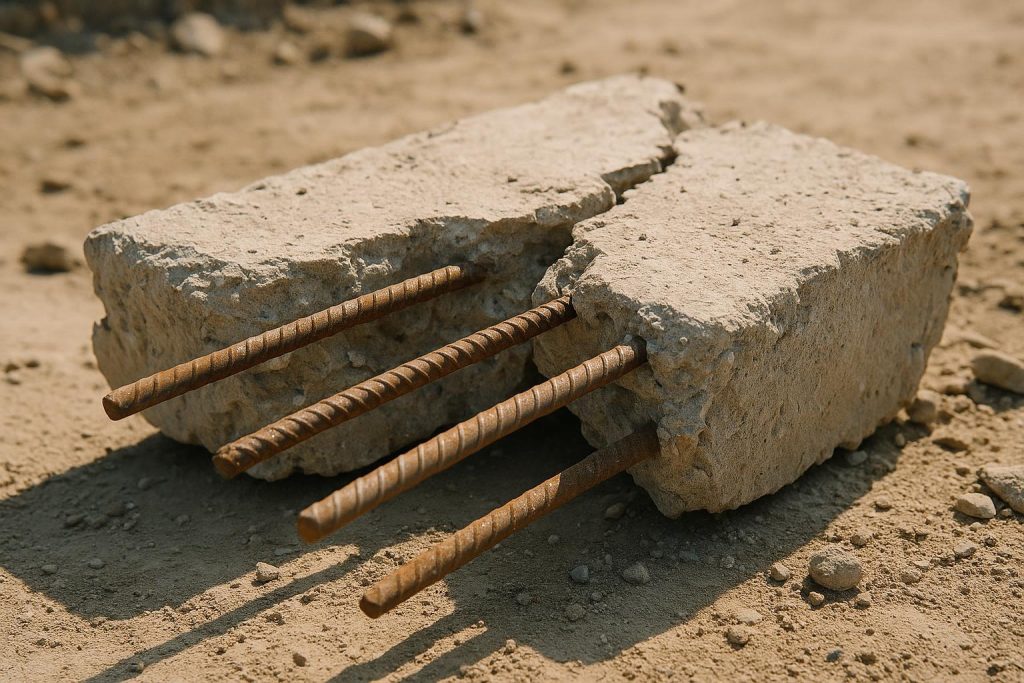
The steel used for rebar is so strong that it can last decades inside concrete, ensuring that buildings and structures stand up to everything from daily foot traffic to major weather events. But eventually, all concrete structures reach the end of their lifespan—maybe because of renovations, safety concerns, or changes in land use. When demolition takes place, the rebar remains hidden until the concrete is broken apart, revealing this critical mesh of steel rods. This is when rebar becomes accessible for salvaging and recycling.
The Initial Demolition Process
In practical terms, demolition starts with planning: determining how best to bring the structure down in a way that’s safe, efficient, and mindful of the environment. Once everything is mapped out, heavy equipment like jackhammers, hydraulic breakers, or large excavators outfitted with concrete-breaking attachments get to work on the concrete itself. The goal is to break it into manageable chunks, often exposing the rebar inside. Specialists might also perform partial demolitions for interior spaces such as old kitchens or bathrooms—especially if walls or flooring contain rebar-reinforced slabs. While these rods won’t always appear in smaller interior projects, they are common in foundations, load-bearing walls, or significant structural elements.
Once the concrete pieces are freed from their larger form, you’ll see twisted steel rods or wire mesh protruding. If it’s concrete demolition for an outdoor structure, professionals often coordinate the debris removal on-site. They’ll sort out anything that can be recycled, from drywall or metals to wood in smaller amounts. But rebar stands out among all of these materials for its recyclability and ongoing value, especially if properly separated.
Extracting Rebar from Demolished Concrete
The real question is, how do demolition crews separate these steel rods from the broken concrete? One route is mechanical separation. For larger demolition projects, machines with specialized attachments—such as hydraulic shears or grapples—crush or pulverize the concrete around the steel rods. As the smaller rocks or particles break away, the steel rods become easier to pull out.
In smaller or more delicate jobs, workers may manually cut away or pry the concrete off the rebar. Sometimes they use handheld tools like hammers, saws, or bolt cutters to free the steel rods. Although it can be labor-intensive, this care results in a cleaner product ready for recycling. Regardless of the method used, the extracted rebar is piled together, often in neatly organized bundles or containers. Having designated sorting areas on-site helps prevent contamination, reduces potential hazards, and streamlines the next stage of the process: recycling.
Key Steps in Rebar Recycling
So, what happens next? You may know that steel is one of the most commonly recycled materials on the planet, but let’s break it down further:
- Inspection and Sorting: After demolition, contractors or recycling teams visually inspect the rebar, removing any large pieces of concrete that might still be attached. They also sort out other metals that could be mixed in.
- Cutting and Shredding: Larger segments of rebar often need to be cut down to standard lengths or shredded into smaller pieces that a recycling facility can handle more easily. This might involve powerful shearing machines.
- Cleaning: Although not always a separate step, cleaning the rebar—removing concrete residue or rust—significantly raises the material’s value as a recyclable commodity.
- Melting and Refinement: At the steel mill, rebar scraps get melted down in furnaces. Any impurities float to the top and can be skimmed away, leaving a purer molten steel. This molten steel is then poured into molds and turned into new steel products—often new rebar that will once again be used in building projects.
The above steps ensure that nearly 100 percent of the steel in rebar can be reused. According to industry reports, recycling steel saves energy, conserves raw materials, and cuts down on the greenhouse gas emissions linked to mining new iron ore. The more rebar you reclaim, the bigger the environmental payoff—and that’s a win for everyone, whether you’re flipping a house or upgrading commercial property.
Environmental Benefits of Rebar Recycling
One of the largest benefits of recycling rebar is the substantial reduction in carbon footprint for future construction. By reusing steel, we’re reducing the need to mine and process new raw materials. This means less strain on the environment, fewer greenhouse gases in the atmosphere, and more efficient use of energy. The cyclical nature of steel—its ability to go from rebar to molten steel and back again—makes it one of the top sustainable construction materials. Even older rods extracted from decades-old builds can find new life as fresh reinforcing bars.
Besides the ecological upsides, rebar recycling also helps reduce landfill waste. Concrete debris alone can fill up landfills if not recycled. Rather than letting perfectly usable steel end up taking space, demolition teams funnel it toward recycling facilities, where it can be turned into new raw materials. This can also lower disposal fees and reduce the logistical challenges of hauling away heavy metals, essentially benefiting all parties involved.
Reducing Demolition Waste Through Reuse
Waste reduction in demolition projects extends beyond just rebar recycling. While steel rods are a prime candidate for reuse, there are other salvageable materials to consider. For instance, large chunks of concrete can sometimes be repurposed as aggregate for new roads or used as a base layer in landscaping. Wood frameworks, if free of contaminants, may also be turned into mulch or used for woodworking projects. By looking holistically at demolition outcomes, project managers and property owners can find ways to turn the teardown process into something beneficial for future builds.
However, rebar remains a priority item not only because of its high value in manufacturing but also because it’s relatively easy to repurpose. The straightforward nature of steel recycling—compared to some composite materials—means you’re making a real dent in how much material heads to the landfill. Not only does this support sustainable construction practices, it also frees up space on the work site and keeps labor costs under control. When it’s time to reintroduce this recycled rebar into a fresh project, it’s used the same way brand-new bars would be: to boost tensile strength in new concrete structures.
FAQ: How Is Reinforced Concrete Recycled?
Many people specifically ask, “How is reinforced concrete recycled?” The process is more involved than crushing plain concrete. Here are the essential steps:
- Breaking Down the Concrete: Specialized tools break the concrete into pieces small enough to be transported. Any embedded rebar becomes visible once the concrete cracks.
- Rebar Extraction: Either manual or mechanical methods pull the steel rods out from the chunks of concrete.
- Further Processing: Concrete bits that remain free of steel can be ground down or used in aggregate form. Separated rebar is sorted and prepared for recycling.
- Rebar Recycling: Once collected, the rebar is sent to steel mills for melting and remanufacturing into fresh steel products, frequently new rebar.
This closed-loop approach keeps valuable materials in circulation. It significantly cuts down on the need for virgin materials in new projects, reduces landfill use, and lowers the environmental cost of production. Most demolition companies or junk removal services that handle concrete demolition can also manage the recycling of any rebar that turns up. This all-inclusive approach is becoming a best practice within many communities.
Hiring Professional Demolition Services
Depending on the scale of your demolition project, it may not be practical to separate and recycle rebar on your own. This is especially true for large slabs, foundations, or multi-room interior tear-outs. A professional demolition team has the right tools, from industrial cutters to powerful breakers and specialized vehicles to carry the debris safely off-site. They often partner with local recycling facilities that handle scrap metal, ensuring your rebar doesn’t end up in a landfill.
If you’re located in or around Edmonton, St. Albert, or Sherwood Park, for instance, you may find it helpful to work with pros who can manage both the demolition and disposal. The Junk Guys offers concrete demolition services that include safe removal of rebar and arranging for its recycling. This frees you up to focus on the rest of your renovation or construction tasks, without worrying about the fate of steel rods buried beneath piles of concrete.
Professionals in this area also have a vested interest in staying compliant with local environmental guidelines. By hiring expert crews, you can rest assured that your site remains safe and that all recoverable materials end up in the right place. That includes rebar, glass, drywall, or any other materials with salvage value. In some cases, well-organized salvage efforts can even shave off part of the overall project cost, since recyclable materials can offset disposal expenses.
Conclusion
From its role in strengthening buildings to its second life as a recyclable resource, rebar plays a crucial part in the life cycle of any concrete structure. When demolition crews carefully remove rebar from broken concrete, they help conserve valuable resources, reduce the strain on local landfills, and keep construction materials in continuous circulation. Recycling rebar is a straightforward yet highly effective way to promote more sustainable building practices in Edmonton and beyond. Projects large or small benefit from this approach, since the steel recovered can be used over and over again.
The next time you see steel bars jutting out of a demolished concrete slab, remember that they have a future in yet another structure—thanks to the recycling process. By taking an active role in rebar recovery or hiring professionals who prioritize it, you can ensure that your demolition project has a more positive environmental impact. It also sets a great example for others in your community, illustrating that demolition doesn’t have to be wasteful. On the contrary, each salvaged piece of rebar represents a chance to build stronger, ecologically responsible structures for years to come.