
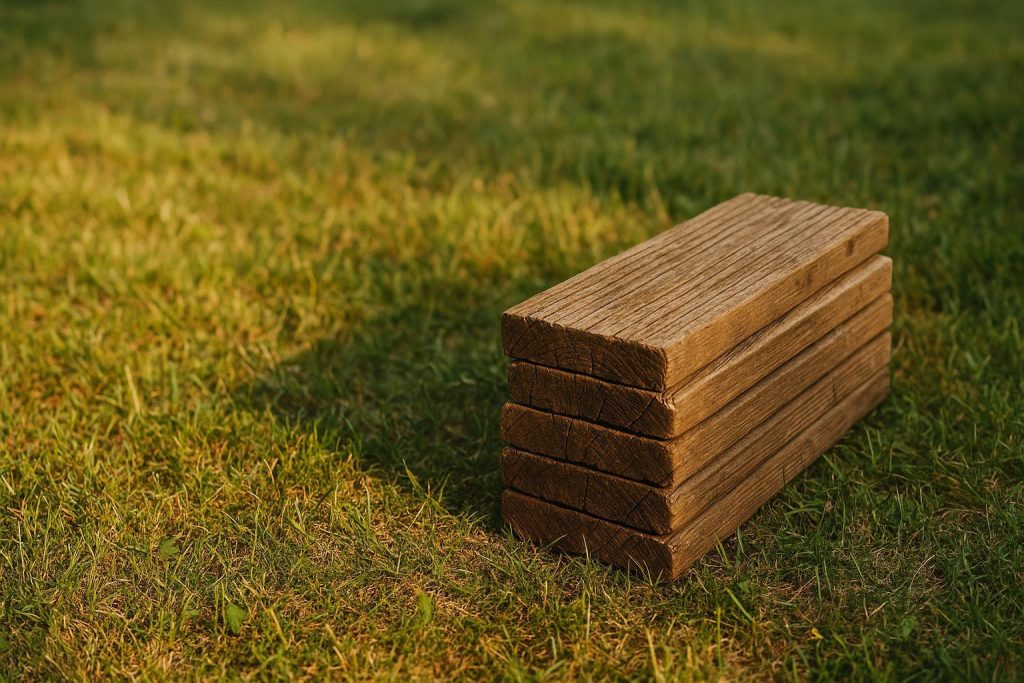
Understanding the Risks of Burning Old Deck Boards
If you have ever considered disposing of old deck boards by simply throwing them in a bonfire or backyard burn barrel, you are not alone. Many homeowners find themselves with stockpiles of old, weathered lumber after a deck replacement or renovation. Yet the question remains: Is it really safe to burn these boards? In most cases, the short answer is no. Burning old deck boards can pose serious health and environmental risks, especially if they have been pressure-treated, stained, painted, or otherwise chemically altered over time. Furthermore, local regulations often prohibit burning treated wood altogether. In the sections below, we will explore why burning deck boards is problematic, how different types of deck boards require different disposal methods, and what safer, more responsible alternatives exist.
Potential Hazards in Treated Lumber
One of the main reasons burning old deck boards is dangerous involves the chemicals commonly used in pressure-treated lumber. Historically, wood intended for outdoor structures—including decks, fences, and playgrounds—was often treated with chromated copper arsenate (CCA) or other preservatives designed to resist rot and insect damage. When this chemically treated wood is burned, it releases toxic chemicals and heavy metals into the air. Even if you do not notice an unusual odor or color in the smoke, microscopic harmful particles can spread over a wide area, threatening people, pets, and local plant life.
While modern treatments may not contain the same chemicals once used, pressure-treated lumber still includes coatings to protect the wood from decay. Burning these boards without knowing their exact contents can result in health hazards, respiratory problems, and contamination. It is difficult to tell just by looking at a board whether it has been pressure-treated. If in doubt, it is best to assume it has been treated and refrain from burning it.
Environmental Impact and Air Quality Concerns
Burning old deck boards that have soaked up water, remnants of paint, or chemicals can harm not only your health but also the environment. Toxic fumes and ash generated from burning these materials can make their way into nearby water sources or soil. If you live in an urban or suburban area, smoke from a backyard fire may quickly travel to other homes, raising air quality issues for neighbors. Poor air quality impacts everyone, but especially those with pre-existing respiratory conditions such as asthma.
Most municipalities have regulations that limit or completely ban open burning of treated or painted wood. Getting caught burning illegal materials can result in citations, fines, or more serious legal trouble. If you live in an area where ordinances are strictly enforced, the safer (and more community-friendly) approach is to dispose of or recycle your old boards through approved methods.
Types of Deck Boards to Avoid Burning
It is not just pressure-treated wood that poses a risk. Even boards that have been coated in paint or stains often produce toxic fumes when burned. If your boards have been regularly treated with water sealants, stains, or other coatings, they may also release unhealthy smoke. Additionally, composite deck boards—made from a mix of plastic and wood fibers—should never be burned because the plastic components release harmful gases when ignited.
If you are unsure whether your deck boards are made of standard pressure-treated lumber, composite material, or another substance, take the safe route and do not burn them. You can read more about specific material considerations in How do I properly dispose of composite deck boards? if you suspect your deck is made of composite materials.
Non-Burning Disposal Methods for Old Deck Boards
When it comes to disposing of old deck boards, you have alternatives that are far safer and more environmentally friendly than setting them ablaze. Here are some tried-and-true methods:
- Reuse or Upcycle if Possible: If your old boards are in reasonably good shape, you might repurpose them for non-structural projects in your garage or garden. People sometimes use sections of deck boards for raised garden beds (if untreated), shelving, or other DIY tasks. However, confirm that the wood is not pressure-treated or laden with chemicals before reusing it around edible plants.
- Donate to a Local Organization: Community groups or neighbors may be interested in lumber for small projects, provided the boards are still usable and safe. By offering them for donation, you keep them out of landfill and give them a second life, especially if you can confirm they are free of dangerous chemicals.
- Recycling Facilities: Some recycling centers accept certain types of clean wood. Check with local facilities to see if they recycle untreated lumber. If you are dealing with pressure-treated boards, the recycling options may be limited. You can learn more about pressure-treated lumber in Can old pressure-treated deck boards be recycled?.
- Landfill Disposal or Transfer Stations: If the wood is heavily worn, rotted, or treated, bringing it to the landfill or transfer station may be your best option. However, certain facilities have restrictions on pressure-treated wood, so always call ahead.
- Hire a Professional Removal Service: Transporting old deck boards yourself can be time-consuming and physically taxing, especially if you have a large pile. A junk removal crew can simplify the process, ensuring everything is hauled away responsibly while you stay clear of potentially harmful debris.
What If Your Deck Boards Are Rotted?
Rotted deck boards are neither sturdy nor safe to burn. When wood begins to decompose, it can become a breeding ground for fungi or mold. Burning such wood may release additional particulate matter into the air, posing health hazards. To explore the best disposal approach for severely damaged or rotted boards, take a look at What is the best way to dispose of rotted deck boards?. Generally, boards in advanced stages of decay should go straight to the landfill or be handled by a qualified removal service. That way, you avoid handling moldy material yourself.
Legal Considerations and Permits
Before you tear out your deck, you may also need to confirm whether any permits are required by local codes. Regulations on deck removal vary by city, and in some areas, even partial demolition of a deck can require written permission or inspection. If you have questions about permits or local rules, it might be worth checking out Do I need a permit to remove my deck boards?. The last thing you want is to incur fines or unnecessary delays due to unrecognized local regulations.
If you ultimately decide to dispose of your boards, be sure to research local laws on open burning. Many urban areas have strict ordinances that prohibit backyard fires unless you are burning only natural, untreated wood—and some places ban open-flame yard fires entirely, regardless of the wood’s type. By learning these rules in advance, you will save yourself a lot of hassle.
Health Risks of Burning Treated Wood
One overlooked aspect of burning treated deck boards is the risk to anyone who inhales the smoke or handles the ashes afterward. Treated wood can contain arsenic, copper, or other metals that do not simply vanish when lit on fire. Once you burn them, these contaminants remain in the ash or drift through the air. Children or pets could come into contact with these particles, increasing the danger. Even a small bonfire might release a significant amount of these contaminants when you burn large quantities of old deck boards.
The concern extends beyond immediate family: if your fire pit is located near a neighbor’s property, there could be secondhand exposure to these substances. The potential for fines or other penalties further underscores why burning old deck boards is seldom worth the risk.
Storage Tips Before Disposal
Sometimes, getting rid of old deck boards does not happen overnight. You may not have immediate access to a truck or the time to drive the boards to a disposal site. You may be in the middle of a large landscaping project or home remodel. Here are a few tips for storing old deck boards safely until you can dispose of them:
- Keep Them Off the Ground: Place the boards on cinder blocks, pallets, or other surfaces that prevent ground contact. This helps avoid mold growth and makes it easier to inspect them later.
- Cover With a Tarp: A durable tarp will protect the boards from rain, snow, and UV exposure, minimizing additional deterioration. Make sure you allow for some airflow to prevent moisture buildup.
- Group According to Type: Separate clearly rotted, heavily treated, or painted boards from those that might be reusable. This organization will save you time when you eventually haul them away or decide how to dispose of each pile.
- Mark the Suspected Treated Lumber: If you have reason to believe some boards are treated, label them so you will avoid future confusion. This also helps a junk removal service or transfer station staff understand how to handle them.
Exploring Professional Disposal Services
If you prefer not to deal with questions about landfill fees, local regulations, or heavy lifting, hiring a professional junk removal service can be a stress-free solution. These companies already know the best environmental and legal practices for disposing of various types of lumber. In Edmonton and surrounding areas, for instance, a reputable team will arrive with the right equipment and knowledge to remove everything safely. This saves you from straining your back or risking a mistaken attempt at burning boards that turn out to be treated.
Beyond the physical aspect of lifting and loading, a professional disposal service pays attention to details you might not think about, such as disposal site documentation, sorting out hazardous waste, and confirming that the boards end up in the correct facility. If the deck boards are excessively decayed or appear to be soaked with chemicals, they will know how to handle them responsibly. This peace of mind often outweighs the cost of hiring help. When time is tight or you simply value convenience, professional hauling can be your safest bet.
Deck Replacement and Local Regulations
Whether you are completely replacing your deck or just upgrading certain sections, it is important to stay informed about local building codes. Some municipalities require inspections before you can remove or alter a deck, especially if you plan to replace it with a similar or larger structure. Renovation timelines can be disrupted if you are forced to re-install boards or pay additional fees after doing unauthorized work. Verifying everything beforehand allows you to budget both time and money more accurately.
If you are simultaneously exploring small demolition services—perhaps you are removing a part of your deck or an attached structure—be sure the work is legal in your area. Demolition specialists usually know the local code requirements, but you should always confirm these details so the project goes smoothly.
Responsible Disposal Keeps Your Community Safe
While throwing old deck boards on a fire might seem like a quick fix, doing so can release harmful toxins into your immediate surroundings and beyond. Taking the time to dispose of your unwanted lumber properly helps keep the air cleaner, water sources healthier, and neighborhoods safer. You might discover that your old deck boards can be reused for creative home projects or donated to community programs, preventing waste and pollution. If your deck boards are beyond salvage, a trip to a recognized disposal or recycling facility—or scheduling a professional junk removal—can help you follow the rules while safeguarding public health.
In the end, most people who think about burning old deck boards do so because they want an easy, cost-effective option. However, the hazards linked to treated wood and the potential for fines usually override any perceived convenience. If you are unsure how to handle older or specialized decking materials, you can refer to resources like Can old pressure-treated deck boards be recycled? or reach out to a knowledgeable removal service directly.
Make the Smart Choice
Burning old deck boards might seem tempting, especially if you see no apparent damage or discoloration. However, even boards that look “clean” may still have invisible chemical treatments. Protecting your health, as well as the environment, entails using safer disposal strategies. You could reuse sturdier boards for small projects, drop them at a recycling facility (if they are untreated), or schedule a junk removal service to handle everything in one go. If you do decide to remove your existing deck or perform partial demolition, remember to check whether permits are necessary in your locality.
By approaching deck board disposal with a bit of planning and a firm understanding of safety and legal considerations, you not only protect yourself but also your neighbors and the local environment. When in doubt, contacting a reliable junk hauling service in Edmonton or your surrounding area can turn a difficult job into a straightforward, no-nonsense process. If you have any questions about your specific situation, feel free to reach out to a professional. Making the smart choice now helps ensure you have peace of mind later, without worrying about toxic fumes or unexpected legal issues that arise from burning old deck boards.