
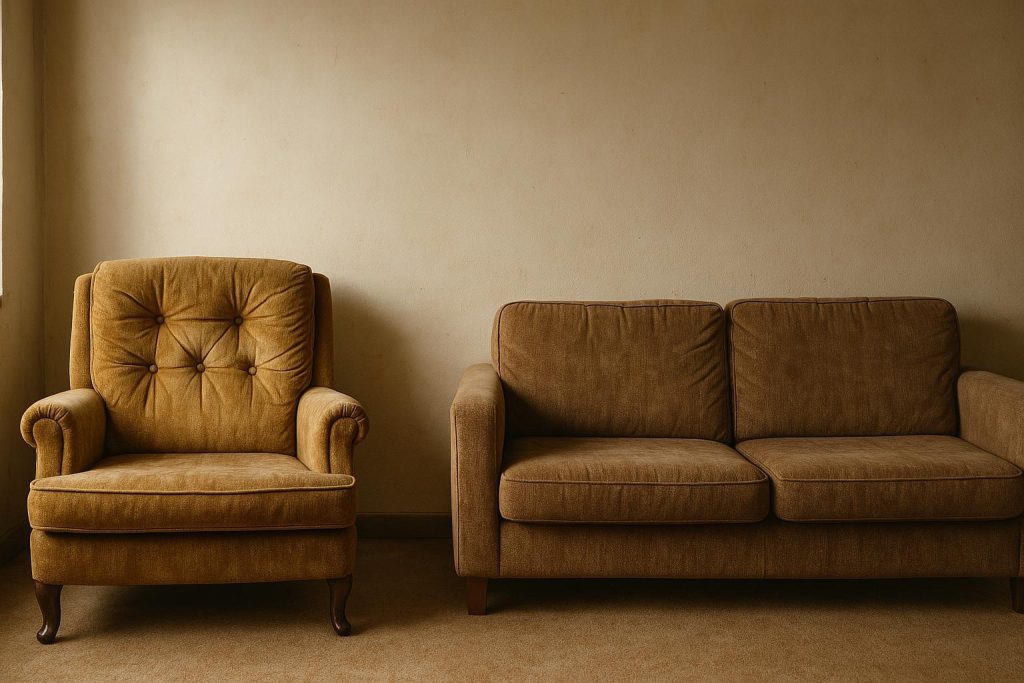
Understanding the Best Ways to Get Rid of Used Furniture
Everyone has that piece of furniture that has seen better days. It might be a well-worn couch, a dining table missing its original shine, or a set of chairs that no longer fits your home’s style. But what do you do when it’s time for that item to go? In many cases, it’s not as simple as taking it to the curb. This guide will explore the ins and outs of used furniture disposal so that you can make an informed decision. Whether you decide to donate, recycle, or contact a professional junk hauling team, the goal is to get your space back in order, without any extra worries.
Why Proper Disposal Matters
Throwing an old couch on the sidewalk might seem like the easiest solution, but there are better ways to handle used furniture. Proper disposal is important for several reasons. First, many municipalities have rules against leaving large items out in the street without arranging a scheduled pickup. Second, furniture often contains materials that don’t break down easily in landfills. Wood coated in varnish or metal springs can sit in the garbage pile for decades. Finally, some pieces of furniture can be salvaged or recycled, which helps reduce waste and gives your old furniture a second life. By taking a thoughtful approach, you can clear your space while doing a bit of good for the environment and your community.
Signs It’s Time to Let Go of Your Furniture
Are you on the fence about whether to hang onto a piece of furniture or let it go? Here are a few signs that it might be time for you to part with that couch, dresser, or dining set:
- Wear and Tear: If the furniture is physically damaged beyond a simple DIY repair—like a broken frame or missing pieces—it’s probably time to replace it.
- Changing Needs: You might have purchased a large sofa when you had a bigger home. Now, you might need something smaller that fits your current lifestyle.
- Health and Safety: If your furniture has bed bugs, mold, or other infestations, it’s no longer safe to keep around. Call in a professional service to remove it properly, especially if pests are involved.
- Outdated Style: Sometimes, we outgrow the style of our older furniture. If you’ve updated your home décor and your existing pieces don’t match, it might be time to let go.
Recognizing these signals can spare you the hassle of storing or repairing something that would be better off removed. Instead, you can free up space for new pieces or simply enjoy the extra room.
Donation and Recycling Options
Before heading straight to the landfill, consider whether your furniture has some life left in it. Donation centers accept many gently used items, which helps families and individuals who need affordable furnishings. If the item is still sturdy, it might be exactly what someone else is looking for. Check your local charities or community groups to see if they offer pick-ups or drop-off times for furniture. In some cases, charitable organizations help you with the moving process for large items.
Recycling is also important, especially if your furniture is made from materials like metal or certain plastics. Some facilities specialize in breaking down old chairs, bed frames, or shelving units, allowing them to be reused in other products. Although not all parts of your furniture are recyclable, taking the time to separate its components can reduce your environmental impact. Wood that isn’t treated with chemicals could be repurposed into mulch, while fabrics may be turned into industrial rags. Exploring these options first can give your old furniture a new purpose and help prevent waste.
When to Consider Professional Junk Removal
While donating or recycling are great choices, there are times when handing everything off to a trusted team is easier and more practical. Maybe you lack a truck or the manpower to move large items. Perhaps you have a tight deadline, like clearing out a house before a big renovation. Or maybe you just want to avoid any heavy lifting altogether. That’s where professional junk removal services come in.
By hiring a local team, you can save yourself the physical effort and logistical headache. Most junk hauling companies will take care of loading, hauling, and disposing of your furniture in a way that meets local regulations. They also understand which disposal methods are most responsible. This means less stress, lower risk of injury, and more confidence that your home will be clutter-free in no time. In addition, a professional crew often has experience with bed bug furniture removal, which is critical if your items are infested. Handling pest-ridden items yourself can spread the problem further, but a reputable service knows how to contain and remove the risk safely.
Preparing Your Furniture for Pickup
Whether you’re scheduling a donation pickup or hiring a professional junk removal team, it helps to get your furniture ready in advance. This process doesn’t have to be complicated, but covering a few basics can make everything go more smoothly, especially if there are multiple items to remove.
- Clear a Path: Remove any obstacles from hallways, doorways, and stairs. Make sure the team can carry your items without tripping over clutter.
- Measure Doorways: If the furniture is large, ensure it can fit through your doors or narrow passages. Disassemble legs, headboards, or shelves if necessary.
- Remove Personal Items: Check drawers or cushions for personal belongings. It’s easy to forget important documents or small valuables tucked away in old furniture.
- Communicate Any Special Conditions: If an item is especially fragile or if it has bed bugs, inform the junk removal team. This knowledge helps them bring the right gear and plan accordingly.
A little prep work goes a long way toward a smooth removal process. Once everything is set, you can look forward to having a cleaner, more open space.
How Professional Disposal Works
Ever wonder what happens after the junk removal truck pulls away from your driveway? Professional disposal often involves a series of steps designed to do more than just drop your furniture in the nearest landfill. Reputable companies typically sort items by material type—wood, metal, plastic, fabric—so they can be recycled or disposed of following local guidelines. If there’s a salvageable piece, some teams will donate it to local charities or community centers, if that’s part of their business model.
By choosing professionals, you’re not only saving yourself from physical strain but also ensuring that your items are treated responsibly. Sorting, recycling, and donating require coordination and connections that most individuals don’t have readily available. A good junk removal team will also leave your property in better shape, removing any debris and making sure the space is presentable. That means less time sweeping or cleaning up after the fact. Instead, you can move on to whatever project is next on your list.
Additional Services That May Come in Handy
Removing used furniture is just one piece of the puzzle. Sometimes, you realize you have other junk to clear out or small structures to dismantle. If you need extra help around your home or business, look for a company that also offers demolition services. Many times, interior demolition—such as tearing out old carpet, flooring, or cabinets—goes hand in hand with furniture removal. If you’re renovating, downsizing, or simply updating your living space, working with one company for both services can simplify your life.
You may also find that, during the clean-up process, you need to get rid of a large amount of clothes, appliances, or general clutter. Some teams handle estate cleanouts or entire property cleanouts, saving you multiple calls to different organizations. If you’re in the middle of a stressful move-out or handling a rental property after tenants leave, these all-in-one services can be a lifesaver. You focus on your next step, and a professional crew works behind the scenes to ensure the old place is cleared, swept, and ready for whatever comes next.
Choosing the Right Junk Removal Team
With so many options out there, how do you find the right team to handle your old furniture? Start by looking at their track record. Are they locally owned and familiar with your community’s rules? Read a few customer reviews or ask for recommendations from friends. Bargain prices might be tempting, but be sure to confirm what is included in the fee. Some services appear cheap until you discover additional dumping or transportation costs.
Likewise, consider whether the company offers the exact services you need. If you need interior demolition along with furniture removal, find a business that can tackle both. Also, check whether they serve your specific region. For instance, if you’re located in Edmonton or the surrounding areas—such as St. Albert, Sherwood Park, Spruce Grove, and Fort Saskatchewan—it’s best to hire a team that knows the local guidelines. Finally, make sure that the crew is reliable: they should come prepared, show up on time, and handle your items with respect, even if those items are on their way to the dump.
When Your Project Involves More Than Old Furniture
Sometimes, letting go of old furniture is just step one of a larger project. You may be renovating a bedroom, tearing down an old deck, or doing heavy landscaping. If that’s the case, a full-service approach can spare you multiple calls and separate bills. For example, imagine you’re revamping your basement: you need to pull out the old couch, remove outdated flooring, and maybe tear down a dividing wall. Hiring a team experienced in both junk removal and interior demolition can keep your project moving smoothly. You won’t have to juggle multiple schedules or worry about coordinating different contractors. The same crews who haul away your furniture can often handle tasks like removing drywall or unwanted fixtures.
Keep in mind that not all companies do large-scale demolition. If you plan to remove entire structures, such as a standalone building, or do a massive commercial teardown, make sure you find specialists equipped for that level of work. The important thing is to find a reliable, no-nonsense crew that can manage the scope of your project without leaving you with half-finished tasks.
A Quick Word on Safety and Hygiene
Whether you’re dealing with bug infestations or moldy furniture, safety should be front and center. Think about protective gear, such as gloves and masks, when handling items that might be contaminated. Certain pieces of furniture might also have nails, staples, or sharp edges. Professional teams minimize the chance of injury or contamination by wearing the proper attire and using heavy-duty equipment. They also follow guidelines for disposing ofunsuitable materials, making sure they don’t pose a risk to your household or neighborhood.
Frequently Asked Questions
1. Is it better to sell or donate my furniture? It depends on the condition of your item and the time you have. If you can sell it quickly, that’s great. But donations help community organizations and individuals who might need your gently used items. Assess which option fits your goals and deadlines.
2. How far in advance should I schedule a junk removal? It’s best to contact a company at least a few days to a week ahead. This ensures they have a slot available that fits your schedule. Keep in mind that short-notice or same-day service might not always be possible.
3. Can I recycle most parts of my furniture? Many pieces have recyclable materials—metal frames, some plastics, and certain wood components. However, foam padding, chemically treated wood, or heavily soiled fabrics usually end up in the landfill. Check with your local facilities or ask your removal service about the best approach.
4. What if my furniture has bed bugs or other pests? In that case, consider specialized bed bug furniture removal. Professional teams know how to bag these items, prevent infestations from spreading, and dispose of them safely. Attempting it yourself can sometimes worsen the problem.
5. Do I need to disassemble everything before the pros arrive? You don’t have to, but it can save time and money in some situations. Removing legs from couches or taking off headboards can make it easier for the team to move the furniture out. If you prefer not to, your junk removal crew can handle it for you.
Get Your Space Back
Parting ways with used furniture can seem daunting, especially if you’ve had that sofa or chair for years. Yet, freeing up space can also feel like a fresh start. Whether you choose to donate, recycle, or bring in a professional service, the main objective is to remove the burden of unneeded items. By doing so responsibly, you’re not only improving your living environment but also ensuring that your community and local ecosystem remain healthier. Before you know it, you’ll be able to rearrange your living room or make room for that new table you’ve been eyeing.
When you’re ready to say goodbye to that old couch or dining set, remember that you have options. Don’t let bulky furniture block your progress on home improvements or life changes. If you want a stress-free solution where you don’t lift a finger, reach out to a junk hauling service that can handle it all—from bringing the tools to disposing of the furniture ethically. With the right support, used furniture removal can be quick, straightforward, and maybe even a bit satisfying. You’ll have more space, fewer worries, and a clearer path to the next project on your list.
Need it gone? We’ve got it. Whether it’s a single chair, a bulky sectional, or multiple pieces scattered across your property, entrusting a professional ensures a simple, safe process. Clear your unwanted items, reclaim your space, and enjoy the peace of mind that comes with a clutter-free home. From donating items that still have value to ensuring that pests won’t spread, a reputable junk removal service gives you one less thing to worry about. If you have questions beyond used-furniture disposal—like light interior demolition, estate cleanouts, or bed bug treatments—explore what a full-service provider can do. Once you’ve tackled the old furniture, you’ll be one step closer to the fresh start you deserve.