
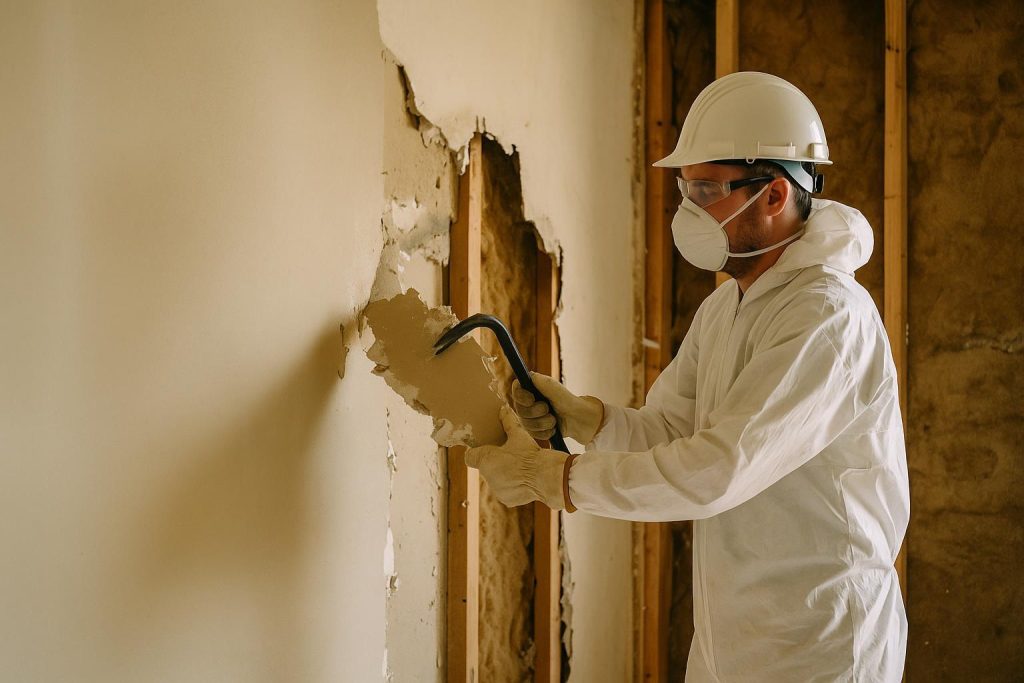
Understanding and Obtaining Free Estimates for Drywall Demolition
Free estimates are a powerful tool for anyone preparing to tackle drywall demolition. Whether you’re removing old, damaged walls, renovating your home, or managing a commercial space, a no-cost evaluation helps you make confident choices before the demolition begins. Knowing that a professional will inspect the area, discuss your needs, and give you an upfront quote can ease the stress associated with demolition projects. In this guide, we’ll walk you through why these estimates matter, what the evaluation process usually involves, and how it helps you manage your budget. We’ll cover the main factors that influence costs and timelines, as well as the importance of proper debris disposal and safety precautions. By understanding each step, you’ll be prepared to take on drywall demolition without confusion or unexpected charges.
Below, we’ll explore a detailed look at free estimates for drywall demolition. We’ll discuss:
- Why Free Estimates Are Offered
- The Typical Free Estimate Process
- Costs and Budgeting Factors
- Safety and Disposal Considerations
- Comparisons to Other Interior Demolition Services
- Important Questions to Ask Your Contractor
- How to Get Started
Why Free Estimates Are Offered
Companies that perform demolition and junk removal services, including drywall demolition, know that clarity is key. Before you commit to a demolition crew, you want to understand all fees, timelines, and safety standards. Offering free, no-obligation quotes is a chance for the contractor to show their transparency and professionalism. By receiving a free estimate, you can compare services, evaluate who meets your needs best, and ask questions without feeling pressured into a purchase.
From the contractor’s perspective, a free estimate also provides insights into the unique challenges of your drywall demolition. Not every wall contains the same materials, and many factors influence demolition complexity. For instance, walls might have hidden wiring, plumbing lines, or even signs of mold that require extra care. During the estimate, experts can identify those issues and alert you to them early. In turn, this openness helps you avoid unwelcome surprises and fosters trust.
The Typical Free Estimate Process
Even though each demolition company has its own approach, free estimates for drywall removal generally follow a similar structure. Below is a typical breakdown of what to expect:
- Initial Consultation: First, you’ll connect with the demolition provider, either by phone, email, or an online form. During this phase, you’ll share basic details about your drywall project. You can describe if you’re removing a single wall or multiple rooms of drywall, whether you’re aiming for a complete remodel, and any known hazards like asbestos or lead-based paint. If you’re in a city like Edmonton, you might also mention your specific neighborhood, such as St. Albert, Sherwood Park, Spruce Grove, or Fort Saskatchewan. Sharing your location helps streamline scheduling and ensures the team understands your local regulations.
- On-Site Assessment: Next, a representative will visit in person to assess the demolition area. This step may include checking the thickness of the drywall, any structural features, and whether there’s potential for hidden damage. Many companies also look for existing cables or pipes in the walls, as these can influence labor and safety measures. The on-site visit is your chance to ask specific questions or clarify what will happen if unexpected complications arise during demolition.
- Detailed Quote Generation: After seeing the site, the demolition company outlines the cost. This quote will note how much labor is involved, how many crew members might be needed, and the price for material disposal. It should also define the approximate timeline. If extra work is required—like removing mold or carefully dismantling walls with built-in shelving—those details factor into the quote. Transparent pricing helps you plan your budget with confidence.
- Presentation of the Estimate: Finally, the company provides you with an emailed or printed document outlining the proposed work, total cost, timeline, and any special instructions. Since it’s a no-obligation estimate, you’re free to accept, negotiate further, or explore other professionals. Ideally, the contractor welcomes your follow-up questions, which can be anything from payment methods to scheduling specifics.
Costs and Budgeting Factors
While a free estimate offers clarity, it helps to know the major factors that can affect the total price of drywall demolition. Each project has its unique attributes, but there are several common elements to keep in mind:
- Square Footage: The size of the area is one of the biggest cost drivers. Demolishing a short wall in a single room is far more straightforward than removing an entire house’s worth of drywall.
- Material Thickness: Some drywall is thicker or denser, which requires extra time and effort to remove. The thicker the material, the higher the potential labor cost.
- Hazardous Materials: If there’s any concern of asbestos or lead-based paint, crews must follow strict protocols, which can raise costs. A proper inspection is essential for older homes, especially those built before the 1980s.
- Location Accessibility: Homes with cramped hallways, small entry points, or awkward angles can make drywall removal more labor-intensive. Likewise, multi-story structures that require transporting debris down extra flights of stairs add to the final bill.
- Disposal Fees: Dumping costs or recycling fees for demolished drywall might also be included in the final price. Some demolition teams have established partnerships to ensure affordable disposal, which could help manage your budget.
- Cleanup and Debris Removal: Professional drywall demolition usually includes cleaning up the dust, fragments, and residue. You won’t have to worry about leftover mess, making the service more convenient.
Safety, Disposal, and Professional Standards
Properly handling drywall goes beyond simply tearing it out and tossing it in a dumpster. Once the drywall is gone, you might uncover wiring, plumbing, or structural elements that need protection. A reputable demolition company follows safe work practices at every step, from wearing protective gear to preventing potential hazards like airborne pollutants or falling pieces of drywall.
Additionally, professional demolition crews ensure that disposal meets environmental requirements. In some cases, drywall waste can be repurposed or partially recycled, lessening the burden on landfills. But in many regions, specific disposal guidelines might exist, especially if the material contains contaminants. Asking these questions during your free estimate helps you confirm the contractor’s approach to disposing of old drywall. You’ll have peace of mind knowing that the project is done both efficiently and responsibly.
Comparisons to Other Interior Demolition Services
Drywall demolition is often part of larger renovation or demolition efforts. You may also need to consider removing flooring, outdated fixtures, or old cabinetry. If that’s your situation, it might be wise to bundle your demolition needs with an interior demolition team that can handle multiple tasks at once, rather than hiring separate crews. You could also compare drywall demolition to concrete demolition if you have sidewalks or driveways that need to be broken up as part of the remodel. Professional contractors often bundle services, which can save you time and money.
Meanwhile, when discussing your free estimate, try to find out if there are any overlaps that could simplify the job. For example, if you need to remove old drywall in one room and want to reconfigure another room, combining both tasks under a single estimate can streamline scheduling. It also allows the same crew to manage cleanup in both areas, instead of multiple companies overlapping their work.
Important Questions to Ask Your Demolition Provider
Before finalizing any agreement, it’s a good idea to ask plenty of questions during or after you receive your free drywall demolition estimate. Examples include:
- Are permits needed? If you’re removing a large amount of drywall from a structural area, you may need permits. Your contractor should guide you on local permit requirements or direct you to the right municipal office.
- How do you handle underlying damage? Sometimes, once the walls are opened, issues like mold or compromised wiring become apparent. Clarify whether these issues are within the scope of demolition or if you’ll need outside professionals to address them.
- What is your safety protocol? Find out if the company enforces safety rules, requires protective equipment, or uses barriers to confine dust. A crew with established policies is usually better prepared for unexpected complications.
- Do you include finishing touches? Although standard drywall demolition doesn’t typically involve re-doing the walls, some companies offer minor finishing or patching services if you’re planning to rebuild. If that’s not their specialty, they can refer you to a trusted partner.
- What is the timeline? Make sure you have a clear sense of how long the project will last so you can plan around the demolition. If you’re combining efforts with a contractor who will remodel the space, you might need to schedule them soon after demolition finishes.
Getting Started with a No-Hassle Assessment
One of the simplest ways to start your drywall demolition project is to request a free, zero-obligation estimate. If you appreciate a local team that’s honest, direct, and professional, you might want to connect with a service provider who understands the unique conditions of working in places like Edmonton and its surrounding areas. They’ll bring the right expertise and an understanding of local disposal regulations, making your demolition project straightforward and stress-free.
When you reach out for that quote, let them know as many specifics as you can. For instance, if you suspect there might be moisture trapped between old drywall layers, communicate this upfront. If your timeline is somewhat flexible, you can also mention that, so they can coordinate the ideal crew size and schedule for your job. Since no two demolition projects are identical, thorough communication ensures your estimate is accurate the first time.
Finally, be mindful that reliable demolition companies typically book in advance—they don’t usually provide same-day services. Also, if you’re looking for more extensive interior demolition, be aware that some providers don’t handle partial deck or large-scale building demolitions, so ensure that your project is within their scope.
After receiving your free estimate, you can decide whether to move ahead. If the quote and timeline align with your goals, feel free to schedule the demolition. If it’s not what you were expecting, you can explore other options. The best part of a free estimate is that you’re in control of the decision. At every stage, remember to ask questions, verify credentials, and make sure you’re comfortable with the crew’s safety standards. That way, you’ll finalize the right plan for your drywall demolition.
Closing Thoughts
In essence, a free estimate for drywall demolition is much more than a sales pitch. It’s a valuable chance to learn how the project will unfold, gauge potential issues, and review transparent costs. By discussing the scope, possible hazards, disposal protocols, and timelines, you’ll have all the information you need to make the best decision for your home or workspace. Demolition can feel overwhelming when you’re unsure about budgets or how to tackle debris removal, but a thorough consultation takes the mystery out of the equation.
If you’re ready to move forward or just need more insight on drywall demolition, don’t hesitate to reach out for a quote. A knowledgeable team will assess your site, answer your questions, and provide a concise breakdown of everything from labor to debris removal costs. Whether you’re looking to remodel a single room or clear out multiple walls for a large-scale interior upgrade, a free, no-obligation estimate is an excellent first step to ensure a clear, hassle-free demolition experience. This process empowers you to plan correctly, address any concerns beforehand, and set a budget that makes sense.
Once you’ve reviewed the details and asked your questions, you can welcome your demolition crew with confidence, knowing every aspect of the job—costs, timing, cleanup, and safety—has been considered. Ultimately, taking advantage of a free estimate gives you the power to move forward with peace of mind, whether you decide to move ahead now or keep exploring your options. It’s your space, your budget, and your call.