
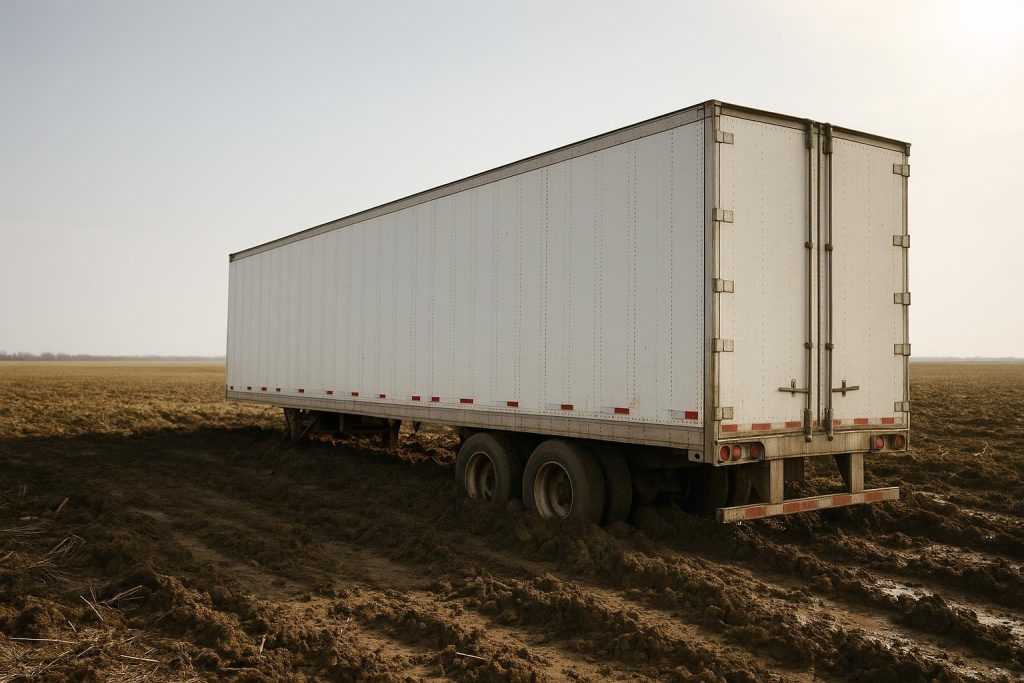
Retrieving Sunken Semi Trailers: What You Need to Know
When a semi trailer sinks into the ground—be it in a muddy field or a soft patch of gravel—it can quickly turn into a major headache. The trailer might get stuck due to unforeseen ground conditions, waterlogged terrain, or simply because of a heavy load. Regardless of why it happens, removing a sunken semi trailer isn’t a job for just anyone. It calls for the right equipment, the proper know-how, and a focused approach to ensure the trailer is pulled out safely and efficiently.
Below, we’ll explore the ins and outs of rescuing a sunken semi trailer, from understanding why trailers get stuck in the first place to the kind of gear and procedures required to pull them out. We’ll also share how professional crews operate, what to expect during the process, and how to minimize the chances of it happening again. Along the way, we’ll highlight some safety tips, common misconceptions, and the value of turning to a local, no-nonsense team that can get the job done right. Whether you’re a driver, property owner, or just someone curious about heavy-duty towing solutions, this comprehensive guide will walk you through everything you need to know.
How Do Semi Trailers Sink?
The most common pitfall is the ground’s inability to support the trailer’s weight. Semi trailers are already heavy when unloaded, and they get significantly heavier when carrying freight. Combine that heft with wet soil, loose gravel, or even a poorly maintained parking lot surface, and you have a recipe for the wheels to settle into an ever-deepening rut. Here are some typical scenarios in which trailers can sink:
- Soft ground conditions: A grassy field or muddy lot might appear sturdy, but heavy equipment can quickly turn any weak spot into a sinkhole.
- Winter freeze-thaw cycles: When the ground thaws in spring, it often becomes spongy. Trailers that are parked or driven across these thawed areas can settle in and get stuck.
- Poorly maintained surfaces: Over time, parking lots or loading areas that aren’t regularly maintained can degrade, leading to weak patches that give under heavy weight.
- Equipment failure: Tire blowouts or suspension issues may cause uneven weight distribution, putting extra stress on one part of the trailer, which can lead to sinking.
In many cases, the sinking occurs gradually. You might not notice it until the trailer is already noticeably tilted or until you attempt to move it and realize it’s jammed in place.
When Do You Need Professional Help?
A quick do-it-yourself fix isn’t advisable unless you have the qualifications and equipment to handle the situation safely. Pulling out a sunken semi trailer involves more than just hooking up a tow strap to another truck and hitting the gas. The trailer’s weight distribution, structural integrity, and the surrounding environment must all be considered. Here are some clear signs that you should call a professional crew:
- Visible tire rutting: If the wheels have sunk deep, creating large ruts around them, you’ll likely need specialized equipment.
- Risk of tipping: When a trailer tilts at a precarious angle, trying to yank it out forcibly can lead to rollovers or further damage.
- Accessibility issues: If the sunken trailer is located in a tight space or near valuable structures, the margin for error becomes small.
- Lack of proper tools: Without heavy-duty winches, straps, and rigging points, any retrieval attempt can cause more harm than good.
The Step-by-Step Retrieval Process
Each sunken semi trailer situation is unique. However, professionals typically follow a methodical process to ensure the job gets done quickly and without unnecessary risk:
- Assessment: The first step is to survey the scene, identify ground conditions, and note any structural damage to the trailer or cargo.
- Strategic planning: Next, the crew decides how to position equipment, where to secure straps or chains, and how to distribute tension to safely pull the trailer.
- Securing the trailer: High-strength cables, straps, or chains are attached to designated latching points on the trailer. If the retrieval equipment isn’t attached properly, there’s a risk of it snapping under pressure.
- Winching or towing: Using slow, steady pulls, the trailer is gradually extracted from the rut. Rushing this step can damage the trailer’s suspension, wheels, or even the towing equipment.
- Final inspection: After extraction, professionals examine the tires, undercarriage, and cargo to ensure everything remains in good condition.
This methodical approach prevents accidents and limits further damage to both the trailer and the surrounding area.
Professional Equipment and Tools
Retrieving a sunken semi trailer can involve an array of specialized tools and methods, such as:
- Heavy-duty winches and pulleys: These allow for the gradual application of force, minimizing the risk of abrupt movements that can lead to breaks or snaps.
- High-tensile straps: Instead of using basic tow chains, most professionals use modern straps with high weight ratings to better distribute forces and reduce stress on any one component.
- Rigging hardware: Shackles, spreader bars, and other rigging devices help ensure the load is evenly distributed during the lift or tow.
- Ground stabilization mats: In especially soft or sensitive areas, ground mats can help provide a solid surface for trucks, winches, or other equipment.
Safer for Everyone Involved
Anytime you’re dealing with heavy machinery, safety is paramount. A sunken semi trailer can weigh over 30,000 pounds (or significantly more, depending on its load). Attempting to free it using inadequate or makeshift tools is dangerous for the operator, bystanders, and even the trailer’s surroundings. Professional crews follow established safety protocols that reduce the likelihood of snapped cables, sinking recovery vehicles, and rollovers. This focus on safety also ensures that the job is completed efficiently, saving you time and additional expense.
Addressing Environmental Concerns
Sometimes, a sunken trailer is located in an environmentally sensitive area, such as farmland or near wetlands. In these situations, experts strive to minimize soil disruption, contain any potential fluid leaks, and avoid damaging the local environment. This often involves laying down protective mats or working with a lighter, specialized vehicle that can maneuver on delicate terrain. The primary objective is to get the trailer out without exacerbating soil erosion, contaminating water sources, or leaving behind a bigger mess.
Common Misconceptions
When it comes to pulling out any large, sunken object, myths and misconceptions abound. Here are a few:
- “Any tow truck can do it.” Standard tow trucks often aren’t equipped with the power or specialized gear to safely remove a full-size semi trailer stuck in mud.
- “Speed is the key.” Yanking or jerking a trailer out at high speed can cause serious damage to the trailer and towing gear. Slow and steady pressure is typically the safest approach.
- “It’s cheaper to do this alone.” Attempting a DIY rescue can lead to costly collisions, property damage, or even injuries. Professional assistance often ends up being the most cost-effective solution.
What About Recovery Costs?
The cost of retrieving a sunken semi trailer can vary based on factors such as the trailer’s size, how deeply it’s stuck, and how accessible the site is. When you work with a reputable team, they’ll provide an upfront estimate so you know what to expect. The benefit of hiring professionals is that you avoid unexpected complications—and the associated fees that arise when quick fixes go wrong. Clear communication ensures you won’t face surprises on the bill.
How a Local Team Can Help
Hiring a local crew with experience in your region can be a game changer. Different climates and terrains present unique challenges, and a team that’s familiar with them has an advantage. For example, freezing conditions in winter and muddy ground during springtime in certain regions can affect how a trailer sinks and how best to recover it. When you reach out to professionals who routinely handle these issues in Edmonton and its surrounding areas, you’re more likely to get a swift response tailored to local conditions.
Beyond trailer extraction, many local teams are equipped to handle a range of related services. For instance, if you need junk removal after clearing out your trailer or have a property that requires shed demolition, these same professionals may be able to help. This one-stop approach can save you considerable time and effort.
Preventive Measures You Can Take
No one wants to deal with the hassle of a sunken trailer. Fortunately, there are a few steps you can take to reduce your risk:
- Regularly inspect parking areas: Search for potholes, soft spots, or cracks that can compromise the ground’s stability.
- Use ground mats or gravel: When parking a semi trailer, especially for extended periods, lay down gravel or specialized mats to distribute weight more evenly.
- Avoid wet or thawing surfaces: If possible, stay clear of areas that are prone to water accumulation or recent thawing.
- Check tire pressure: Properly inflated tires help distribute the trailer’s weight more evenly, reducing the chance of sinking.
- Schedule timely maintenance: Issues with shocks or suspension can cause uneven loading, which increases the risk of sinkage.
Beyond Trailer Extraction
While pulling out sunken semi trailers is a specialized task, many professional crews do more than just towing. They often help with other projects such as estate cleanouts or clearing out old structures. In some cases, you may need light demolition services if an abandoned trailer or shed is causing trouble on your property. Having a single point of contact for multiple jobs can streamline your workload and provide peace of mind. Instead of coordinating with multiple vendors, you can rely on one capable team to take care of everything from sunken trailer extraction to disposing of junk or debris.
Putting It All Together
Sunken semi trailers are a serious problem that can hinder your schedule, threaten the stability of cargo, and damage your property. Trying to free a trailer without the right tools or experience raises the risk of injury, property damage, and bigger repair bills down the line. A professional, safety-first approach ensures your trailer is pulled out with minimal disruption, whether you’re stuck on a remote access road or in a busy work site.
Remember that for even the simplest towing and recovery jobs, a clear plan and professional oversight make all the difference. Experts who regularly handle these situations come prepared with heavy-duty winches, specialized straps, rigging knowledge, and a strategy for protecting both people and property. In the end, you save yourself time, hassle, and money by partnering with a specialized team that’s seen it all before.
In addition, addressing the root causes—such as maintaining your lot, avoiding waterlogged surfaces, and ensuring your trailer’s weight distribution is balanced—can prevent future sinkholes. Along the way, keep an eye on signs of weakening ground or changes in the terrain. Taking a proactive stance goes a long way toward preventing your semi trailer from sinking in the first place. If it does happen, know that there are professionals ready to step in, handle the heavy lifting, and leave your property in better condition than they found it.
Whether you’re a landowner looking to clear space or a driver needing a safe, efficient retrieval method, understanding these basics can help you make the right call. Sunken trailers might seem impossible to deal with, but with a combination of expert hands, reliable equipment, and a well-executed plan, it’s a challenge that can be overcome quickly—and without drama.