
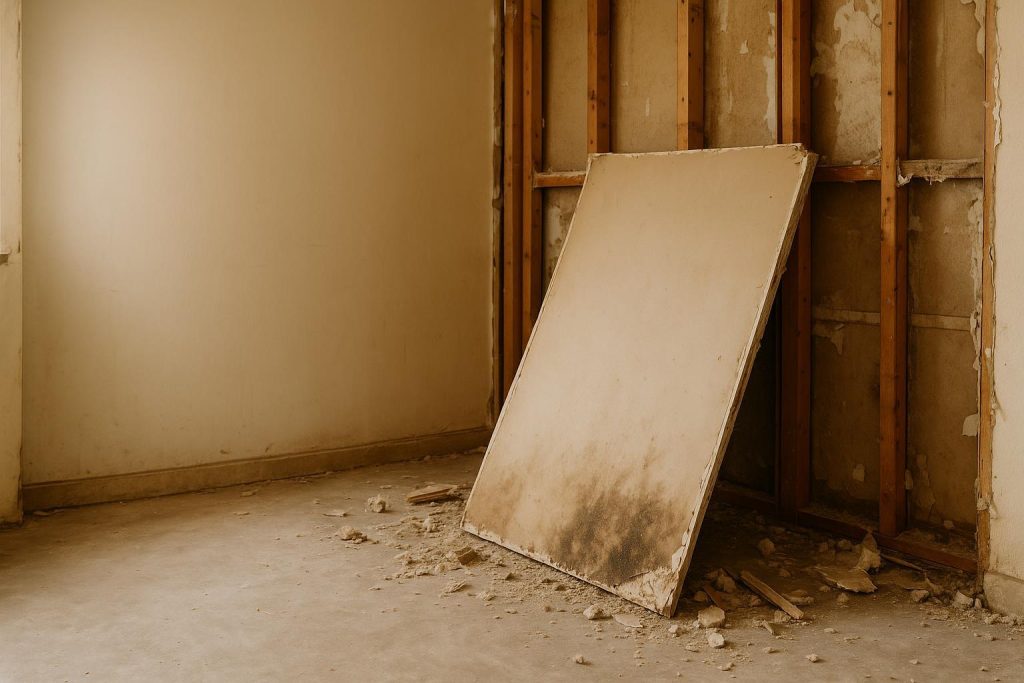
Understanding What’s Involved in Damp Drywall Disposal
Drywall is a common building material used for interior walls and ceilings. It’s made from gypsum plaster, pressed between sheets of paper. The composition is generally sturdy and lightweight, making drywall easy to install. But when drywall gets damp, whether from a flood, a leaky pipe, or another moisture event, it can become problematic. Damp drywall can develop mold, disintegrate, or crumble, leading to potential health concerns and disposal challenges. Many homeowners wonder if damp drywall can be recycled or if it must go directly to the landfill. In this detailed guide, we’ll look at when damp drywall can be recycled, when it should be landfilled, and how to dispose of it in a way that complies with local regulations. We’ll also talk about ways to stay safe when handling potentially moldy or water-damaged drywall.
Whether you’re dealing with a few wet sheets or an entire renovation project, you’ll want to know the proper method to remove and dispose of your damaged drywall. Local guidelines can vary, so it’s important to do your research. Fortunately, the steps in this article will help you determine what to do with your soggy drywall while keeping environmental impact and safety in mind.
Why Drywall Gets Wet
Homes and buildings face many scenarios that can result in water damage. Heavy rains, burst pipes, leaks around windows, and even high humidity levels can all contribute to moisture in the drywall. Prolonged exposure to water can lead to the breakdown of the gypsum core. The paper facing that sandwich the gypsum can also begin to peel or degrade, further weakening the material. In cases like minor spills, you might be able to dry the drywall thoroughly and reuse it, provided there is no mold growth and the structural integrity isn’t compromised. But in most situations, “wet” drywall means it’s already begun to lose its structural usefulness.
Flooding is a particularly common offender, as large amounts of water can seep through an entire wall or ceiling. If the drywall remains continuously soaked for more than 24 to 48 hours, mold often begins to grow. Mold poses significant health risks, so any drywall in this condition is typically not accepted at standard recycling facilities. The associated health concerns and contamination risks lead many waste management centers to require that moldy drywall go straight to a landfill. This makes sense when you consider the potential spread of mold spores.
Can All Damp Drywall Go to Recycling Centers?
Recycling facilities often have strict guidelines on what types of drywall they will accept. In many places, drywall that is only slightly damp and has no visible mold could still be considered for recycling. In this scenario, the key is to ensure it’s free of contaminants and not drenched in water. Here are steps you can consider if you think your drywall might be eligible for recycling:
- Check with your local facility. Every municipality has its own waste and recycling regulations. Some will accept mildly damp drywall, while others reject any drywall that has touched water at all.
- Inspect for mold. If you notice black, green, or grayish patches and a musty odor, that’s a sign of mold. Even a few spots could be enough for the recycling center to reject your load.
- Dry it out if possible. If the drywall is only slightly wet, setting it out in a dry space (with good ventilation) might remove the moisture. However, you should only do this if there’s no sign of mold or structural breakdown.
- Follow guidelines on contamination. If your drywall has come into contact with any chemicals or hazardous substances, it’s probably not fit for recycling and must be disposed of according to local regulations.
While it may be tempting to place all your wet drywall in the sustainability bin, keep in mind that damp drywall that is heavily soaked or moldy is almost always destined for the landfill. Attempting to hide the damage by mixing a few wet sheets in with otherwise dry pieces might result in violations and even fines. It will also hinder proper sorting processes at recycling facilities.
The Dangers of Moldy Drywall
Mold thrives in moist environments, feeding on the paper facing of the drywall and sometimes the gypsum itself. Once drywall shows visible mold growth, the risk of aggravating respiratory problems and other health issues rises. Those who have allergies or pre-existing conditions like asthma might experience breathing difficulties or increased allergy symptoms when exposed to mold. Furthermore, moldy drywall crumbles more easily, making it less stable and practically impossible to repurpose.
Facilities practicing drywall recycling strictly avoid moldy materials to prevent cross-contamination. This is particularly crucial if the recycled gypsum is intended for agricultural use or the manufacturing of new drywall sheets. For more details about safely handling moldy drywall, you may want to read our related FAQ: Is it safe to handle moldy drywall on my own?
Environmental Considerations
Gypsum, the primary component of drywall, can be recycled into new sheets of drywall or used as a soil amendment (provided it’s clean and doesn’t contain mold or chemical contaminants). This is why recycling is often preferred over landfilling. However, the presence of moisture or mold can reduce the viability of recycling. When wet or moldy drywall is sent to a landfill, bacterial decomposers break down the material. This breakdown can release hydrogen sulfide gas if there’s not enough oxygen in the landfill. Hydrogen sulfide has a strong odor and can even pose toxic risks at high concentrations.
Still, landfills today are designed to manage these gases more effectively than in the past, often with venting systems. The concern remains that too much contaminated drywall in one location heightens the possibility of greenhouse gas emissions and other issues. For environmentally minded homeowners, the best approach is to dispose of damp drywall in a safe, legal manner, and to recycle it only when it meets the local criteria. In an ideal scenario, prevention of long-term water damage should remain a top priority for property owners.
Local Regulations and Why They Matter
Different municipalities can have extremely different stances on what is and isn’t acceptable for drywall recycling. Some might allow slightly damp drywall if no mold or fungus is present, while others reject any water-damaged materials outright. It’s worth consulting with your local waste management authority or checking their official website to see where they stand. You might even find specialized contractors or transfer stations that handle wet drywall separately.
If you live in the Edmonton area, for instance, you may notice that disposal rules differ between Edmonton proper and surrounding towns or counties. Serious floods or wide-scale water damage events can also place additional strain on municipal services. That may lead to additional disposal instructions, such as designated drop-off points or temporary amnesty periods for those disposing of large quantities.
When and How to Remove Damp Drywall
Removing damp or water-damaged drywall in a timely manner is crucial. If you’re wondering whether you should remove drywall immediately after a flood or leak, we have a more specific FAQ on that topic: How soon should I remove water-damaged drywall after a flood? In most scenarios, the sooner you remove it, the lower your risk of mold spreading in your home. Here are some general guidelines for removal:
- Safety gear first. Wear a mask or respirator (especially if mold might be present), gloves, and safety glasses.
- Cut above the waterline. If the bottom two feet of your drywall are soaked, it’s common to cut a little higher than the watermarks to ensure all damp sections are removed.
- Contain the debris. Keep waste in sturdy plastic bags or containers, especially if you suspect mold. This reduces the spread of spores.
- Check for structural concerns. If your walls have been severely compromised or you see sagging ceilings, consult a professional before you do any cutting or removal on your own.
Properly Preparing Damp Drywall for Disposal
Once you’ve decided damp drywall must be discarded, you’ll need to prepare it so that it’s acceptable at your chosen disposal site. We have a separate FAQ dedicated to the process of prepping your drywall: How do I prepare damaged drywall for proper disposal? In general, you’ll want the sections cut to manageable sizes, and you’ll often need to separate any non-drywall materials (such as nails, screws, or leftover wallpaper). Many landfills require that the drywall be sealed in large plastic bags if mold has been detected. This prevents the spread of spores during handling or transport.
It’s wise to remove as much moisture as possible from the drywall before transit. Transporting dripping-wet sheets might lead some facilities to turn your load away. Even if your local rules are lax, it makes for less mess in your vehicle or on the contractor’s truck.
Will Disposal Fees Change If the Drywall Is Damp?
Some municipalities or facilities charge based on weight. Damp drywall can weigh a lot more than dry product due to the absorbed water. That means your disposal fees might be higher simply because your load is heavier. Additionally, some waste management rules set surcharges if contaminated or moldy drywall is involved. If you’re curious about how paint, fasteners, or other materials factor into disposal costs, check out our FAQ: Will disposal fees be higher if the drywall has paint or other materials?
Minimizing the Chance of Water Damage in the Future
While disposing of soggy drywall is sometimes unavoidable, you can take measures to reduce the risk in the first place. Here are a few preventive tips:
- Address leaks quickly. Even small leaks behind a wall can balloon into a major issue if left unchecked. Fix them as soon as you suspect a problem.
- Use water-resistant products in high-moisture areas. Bathrooms and basements benefit from water-resistant drywall or cement board alternatives.
- Ensure proper ventilation. Good airflow helps reduce humidity levels, cutting down on moisture buildup.
- Monitor humidity. A dehumidifier in basements or attics can help keep drywall safe from excess moisture.
Professional Junk Removal and Demolition Services
Handling large quantities of damp drywall can be messy, time-consuming, and physically demanding. If the area affected is more than just a few sheets, engaging professionals may be the easiest solution. Local demolition and junk removal services can handle the heavy lifting, cutting, and hauling. For instance, if you need help disposing of multiple sheets of drywall, our junk removal service can manage the entire process, ensuring that any recyclables or salvageable pieces are separated according to local guidelines.
In some cases, you might need to remove drywall or other materials before remodeling. An interior demolition team can carefully tear out damaged walls or ceilings while keeping the rest of your home intact. This can be especially helpful if you suspect hidden water damage behind the surface or if your drywall has been weakened in multiple areas.
Key Takeaways
- Slightly damp drywall may be accepted for recycling if it’s mold-free and meets your facility’s guidelines.
- Moldy drywall almost always requires landfill disposal, both for public health and facility rules.
- Local regulations matter. It’s essential to call your local waste authority or check online for the latest rules.
- Preparation is vital. Remove any non-drywall materials beforehand, and consider bagging or drying out soggy panels.
- Prevention through quick repairs and water-resistant materials can save you from drywall headaches in the future.
Ultimately, you can recycle damp drywall if it has not devolved into a soggy, moldy mess. If you do try to go the recycling route, make sure you’re complying with local standards. There’s little point in carting your wet drywall to a facility only to be turned away because it didn’t meet specific criteria. If there’s any question about mold or excessive moisture, it might need to go to the landfill. Your best bet is always to err on the side of caution—especially if you see any signs of fungus growth.
If you’re feeling uncertain about the condition of your drywall or your local disposal procedures, professional assistance can simplify the process. From minimal hauling to full demolition, experts can ensure that every piece of water-damaged debris is dealt with properly. That means a healthier environment, fewer headaches for you, and no wasted time hauling unusable material from one facility to another.
To learn more about proper drywall disposal, you can browse other relevant FAQs that may answer your remaining questions:
- How do I prepare damaged drywall for proper disposal?
- How soon should I remove water-damaged drywall after a flood?
- Is it safe to handle moldy drywall on my own?
- Will disposal fees be higher if the drywall has paint or other materials?
When in doubt, always double-check. Proper disposal of damp or moldy drywall is about safeguarding your health, your property, and your community’s environment. By doing a bit of research and following the rules, you can rest easy knowing you’ve managed your damp drywall with care and responsibility.