
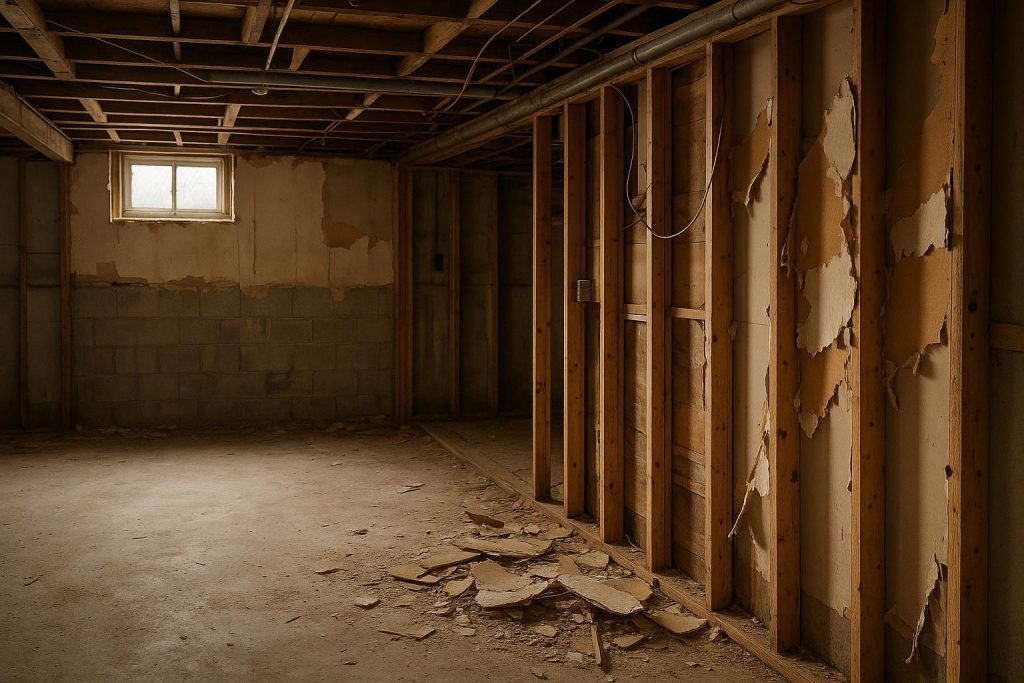
Understanding Basement Demolition Costs
When you’re planning a basement demolition project, one of the first questions that likely comes to mind is the price. Figuring out the cost of demolishing your basement can be confusing, especially if this is your first time tackling any type of interior demolition. Every basement is different, and the final cost can vary based on multiple factors, including the size of the space, how accessible it is, and what specific demolition tasks are required. In this guide, we’ll cover everything you need to know about basement demolition costs, discuss common pricing factors, and highlight ways to ensure an efficient and stress-free project.
Whether you’re clearing out the basement for a full renovation or simply removing old materials to repurpose the area, it’s important to understand the steps involved and what they can mean for your budget. We’ll also address why hiring professionals—even for smaller DIY-friendly jobs—can be more cost-effective in the long run. By the end, you should have a better sense of what to expect and what questions to ask any demolition specialist you consider hiring.
1. What Is Basement Demolition?
Basement demolition is the process of removing unwanted or outdated materials and structures from your basement. It can range from taking out old drywall and flooring to more intensive work like tearing down walls, removing built-in storage, and stripping out plumbing fixtures. Unlike a full-scale building demolition, a basement demolition is usually more contained and carefully targeted, focusing on interior structures rather than the entire house.
This kind of project can be helpful for homeowners who want to:
- Finish an unfinished basement
- Remove water-damaged or moldy materials
- Renovate and update the space
- Address structural or layout changes
- Clear out clutter and transform the area into usable space
Performing any of these tasks can be time-consuming, which is why understanding the practicalities—especially cost—is so crucial. The good news is that basement demolition doesn’t need to break the bank if you plan accordingly and find the right local, professional team. By doing some research into rates, scope, and timing, you’re already ahead of the curve.
2. Main Factors Affecting Costs
The total cost for basement demolition will typically hinge on a few key factors. When you start requesting quotes or doing your own calculations, keep these elements in mind:
- Size of the Basement: A larger basement generally means more labor, more materials to remove, and more time on the job. Bigger spaces might also require additional disposal fees once you factor in debris amount.
- Complexity of the Project: Are you removing just drywall and flooring, or also uninstalling plumbing and electrical systems? The more complex the work, the more manpower and expertise are needed, which can drive up costs.
- Accessibility: Basements that are easy to access—whether that’s through a walk-out entrance, open stairways, or wide doors—can lower labor costs. Difficult or narrow access might require additional equipment or manual hauling, raising the overall price.
- Disposal Fees: Demolition produces a lot of waste, which needs to be hauled away. Heavier debris—like concrete sections or large wooden beams—can be pricier to dispose of than lighter waste such as drywall. Be sure to ask if disposal fees are included in any quote.
- Needed Permits or Inspections: Depending on local regulations, some demolition work in basements might require permits. While small-scale interior demolition typically doesn’t involve major structural changes, it’s essential to double-check. Permit fees can add to your final bill.
In many cases, basement demolition jobs can range from a few hundred dollars for very small or basic tear-outs (like removing a single piece of old wallpaper and small amounts of paneling) up to a few thousand dollars for larger basements that require more extensive demo work. Projects that involve removing heavier items like thick subfloors, old masonry, or complicated plumbing systems can surpass that range. Ultimately, it’s best to connect with a professional who can assess your exact situation to give you a personalized estimate.
3. DIY vs. Professional Demolition
Some property owners might wonder if they can save a lot of money by handling a basement demolition themselves. If the scope is small—like taking down a couple of shelves or pulling out old carpet—a DIY approach may be completely feasible. But complete interior demolition is more involved. Here are a few considerations:
- Safety: Removing drywall might look straightforward, but if you’re dealing with load-bearing walls, electrical wiring, or plumbing, it’s easy to make a costly and dangerous mistake. Professionals know how to spot potential safety issues and handle them properly.
- Time and Effort: Demolition is labor-intensive. Even if you have a few handy friends, the time and energy you invest might outweigh the labor cost of hiring a crew. Plus, professionals work efficiently, finishing the job faster so you can move forward with your renovation plans.
- Disposal and Cleanup: DIY means you’ll have to figure out how and where to dispose of debris. Not only do you need to rent or borrow a suitable vehicle, but you also have to understand local dump or recycling centers’ rules and fees. Professionals typically handle the entire process—meaning no additional headaches for you.
- Unexpected Costs: Tearing down walls on your own can be cheaper in theory, but if you run into unforeseen issues (like mold or hidden structural problems), you may end up paying more to fix them later.
That’s why hiring a trained crew for interior demolition generally makes sense. You’re not just paying for manual labor; you’re also paying for expertise, safe practices, and a “no surprises” approach that simplifies your life.
4. Planning for Additional Costs
While many people think about the direct labor involved in demolition, don’t forget the indirect costs that can arise. These may include:
- Inspections: An inspector might check the space before or after demolition to ensure everything is up to code. This could be required if you plan to do major renovations afterward.
- Mold Remediation: Basements are prone to moisture issues. If demolition reveals mold behind walls, you may need professional remediation, which adds time and costs.
- Asbestos or Lead Removal: In older homes, especially those built several decades ago, materials may contain hazards like asbestos or lead-based paint. Specialized disposal and safety protocols are crucial in these scenarios, which can raise your budget substantially.
- Drainage or Structural Upgrades: Sometimes basement demolition uncovers cracks in the foundation or other water infiltration issues. Addressing these now prevents bigger headaches later, but it also adds to your expense list.
Before a demolition team arrives, do a thorough assessment of your basement to see if you suspect any of these problems might exist. If you’re unsure, a quick consultation with a local expert or a home inspector can help you avoid unpleasant surprises.
5. The Value of Efficient Services
One reason for the wide range in basement demolition pricing is the difference in how companies structure their services. Some may only knock down drywall and hand you the bill, leaving you with mounds of debris to deal with on your own. Others—like local, reputable demolition or junk removal businesses—handle the entire process. That includes all the prep work, removal, and hauling away of materials. This full-service approach usually leads to a more seamless experience, translating into real value for you.
Not only are you investing in labor, but also in peace of mind, time savings, and the certainty that professionals will do the job right. When you’re comparing quotes, ask about everything that’s included. A company that bundles demolition and cleanup costs together might look slightly more expensive up-front, but when you calculate the separate disposal fees, equipment rental, and time you would spend doing it yourself, you often come out ahead.
6. How to Choose the Right Contractor
Picking the right contractor for your basement demolition is as essential as determining the cost. Here are some tips to guide you:
- Check Local Experience: Companies that specialize in smaller, residential demolitions—rather than large-scale commercial tear-downs—are more likely to understand basement-specific challenges and offer cost-effective rates.
- Compare Quotes Carefully: Don’t settle on the first estimate. Get two or three quotes to see how costs align. Ask about labor, disposal, and potential extra fees such as mold removal if that becomes necessary.
- Ask About Service Area: If you live in or around Edmonton, look for local teams who know the area. This often means faster response times and fewer travel expenses.
- Read Reviews or Ask for References: If a company comes highly recommended by your neighbors or has dozens of positive reviews online, that’s a good sign they consistently deliver quality results.
Ultimately, you want professionals who are direct, easy to communicate with, and transparent about pricing. Emphasizing clarity and honesty is key—nobody wants a surprise bill at the end of a demolition project.
7. Timing Considerations
Before diving into demolition, it’s wise to consider timing. Some people choose to tackle a basement demolition in the off-season—or when contractors have more availability—hoping for better rates. Others choose to coordinate demolition with other major home improvements to minimize disruption.
Regardless of when you schedule it, plan for an efficient process by:
- Preparing the basement beforehand (removing small personal belongings and clutter)
- Coordinating with any other contractors, such as electricians or plumbers
- Confirming the timeframe with your chosen demolition team
Having a clear timeline helps ensure the project moves smoothly and lowers the chance of incurring extra costs due to delays or misunderstandings.
8. Minimizing Your Demolition Expenses
If you’re working on a tight budget, you’re not alone. Many homeowners look for ways to reduce the cost of basement demolition without cutting corners. Here are a few strategies:
- Declutter First: Removing smaller items and junk yourself can cut down on labor costs for the demolition crew. If you have old boxes of clothes or broken furniture, consider disposing of or donating them in advance.
- Request a Detailed Quote: Being explicit about what exactly you want demolished can prevent misunderstandings. Ask for a line-by-line breakdown so you know where each expense is coming from and can adjust if needed.
- Focus on Partially Damaged Areas: If your basement has a specific section with damage, you might not need a full tear-out. Communicate that you only want to remove rotted or moldy materials while keeping the rest intact.
- Compare Disposal Options: Some teams might allow you to handle your own debris disposal or rent a dumpster, which can potentially save on hauling fees. However, keep in mind that taking on disposal yourself can be time-consuming and may not always be cheaper once rental fees are factored in.
The main goal is to be realistic about your capabilities and the scope of the job. Doing some elements yourself can save money, but only if you’re confident in your skills and have time to manage the project safely.
9. Ensuring a Smooth Basement Demolition
Once you’ve decided to proceed, these tips can further ensure a stress-free experience:
- Communicate Clearly: Share your goals, concerns, and budget with the contractor from the start. If they know your vision, they can tailor their approach accordingly.
- Discuss Potential Surprises in Advance: Some demolition teams include a clause in their contract about unexpected discoveries (like mold or asbestos). Ask how such instances are handled financially and logistically.
- Use a Local, Professional Service: Working with a demolition or junk removal company based in your area helps ensure timely service. Local teams often have solid relationships with disposal facilities and know local regulations well.
- Don’t Forget Post-Demolition Cleanup: Make sure your plan includes proper cleanup. That way, you don’t end up with piles of debris that complicate the next phase of your renovation.
Following these guidelines helps you avoid the most common basement demolition pitfalls. In the end, the best way to stick to a reasonable budget is to go in prepared, knowing both what you want removed and any potential roadblocks along the way.
10. Recap: Budgeting for Basement Demolition
To wrap up, let’s highlight the key points to remember about basement demolition costs:
- Smaller or simpler tear-outs (like removing old paneling or carpeting) may only cost a few hundred dollars, while extensive projects involving structural elements, hazardous materials, or large quantities of debris can climb into the thousands.
- Factors such as basement size, project complexity, accessibility, and local regulations or permit requirements directly impact the final cost.
- Hiring a professional often offers better long-term value compared to DIY because of efficiency, safety, and fewer hidden fees.
- Always ask for itemized quotes and clarify if disposal fees, mold remediation, or asbestos testing could come into play.
- Planning ahead, decluttering, and coordinating schedules can minimize unexpected costs and ensure a smooth process.
Because every home is different, getting a personalized estimate is the best way to know what you’re really looking at expense-wise. Many people find that contacting a trusted local crew for a free quote or consultation helps them make more informed decisions. A direct conversation can uncover the true scope of work, address potential concerns (like moisture issues or old wiring), and keep you on track for the renovation or cleanup you want to complete.
11. How We Can Help
If you’re in the Edmonton area and considering basement demolition, The Junk Guys offer small-scale interior demolition services that include tear-outs, hauling, and disposal. Whether you need help removing old fixtures or completely clearing out all that outdated basement paneling, our focus is on making the process no-hassle, on-time, and free of surprises. We specialize in local, professional service and know how to handle everything from basic drywall removal to thorough basement cleanouts. While we don’t provide same-day service or handle full house demolitions, we provide an efficient alternative for homeowners who just want the basement cleared properly.
Curious about a quote? Feel free to contact us. We believe in transparent, upfront pricing, so you’ll have a clear picture of what the project will cost before any demolition begins. By talking directly with a team that’s experienced in basement tear-outs, you’ll save time, stress, and possibly money in the long run.
Get a quote—fast and easy: Whether you want to prep your basement for a renovation or fix up a moisture-damaged space, a professional demolition crew helps you do it right. Work with people who handle everything—even potential issues—as part of an organized, thorough process.
Final Thoughts
Basement demolition might seem daunting at first, but understanding cost and project scope gives you the power to plan effectively. From minor removals to more complex tear-outs, the expense can vary widely. However, by partnering with a reliable local demolition and junk removal provider, you’ll likely benefit from a smooth process and no unexpected fees. Be clear about your goals from day one, get a detailed quote, and make sure you’re on the same page with whoever you hire about timing, cleanup, and any potential extra steps such as mold remediation or asbestos testing.
In the end, a well-executed basement demolition sets the stage for whatever transformation you have in mind. You’ll be able to move forward with renovations, expansions, or simply reclaim extra space in your home. And if you choose the right team, you can do it without dealing with overwhelming piles of debris or hidden costs. When in doubt, talk to trustworthy contractors, compare a few quotes, and go with the group that best understands your needs. With that foundation, you’ll be on track for a successful basement project built on safety, efficiency, and transparency.